The Royal Game of Ur is a two-player strategy race board game, a type of tables game that was first played in ancient Mesopotamia during the early third millennium BC. The game was popular across the Middle East among people of all social strata, and boards for playing it have been found at locations as far away from Mesopotamia as Crete and Sri Lanka. One board, held by the British Museum, is dated to c.2600 – c.2400 BC, making it one of the oldest game boards in the world.
The Royal Game of Ur is sometimes equated to another ancient game which it closely resembles, the Game of Twenty Squares.
At the height of its popularity, the game acquired spiritual significance, and events in the game were believed to reflect a player's future and convey messages from deities or other supernatural beings. The Game of Ur remained popular until late antiquity, when it stopped being played, possibly evolving into, or being displaced by, a form of tables game. It was eventually forgotten everywhere except among the Jewish population of the Indian city of Kochi, who continued playing a version of it called 'Asha' until the 1950s when they began emigrating to Israel.
The Game of Ur received its name because it was first rediscovered by the English archaeologist Sir Leonard Woolley during his excavations of the Royal Cemetery at Ur between 1922 and 1934. Copies of the game have since been found by other archaeologists across the Middle East. A partial description in cuneiform of the rules of the Game of Ur as played in the second century BC has been preserved on a Babylonian clay tablet written by the scribe Itti-Marduk-balāṭu.
Based on this tablet and the shape of the gameboard, Irving Finkel, a British Museum curator, reconstructed the basic rules of how the game might have been played. The object of the game is to run the course of the board and bear all one's pieces off before one's opponent. Like modern backgammon, the game combines elements of both strategy and luck.
The Royal Game of Urm...?
by William Romeril

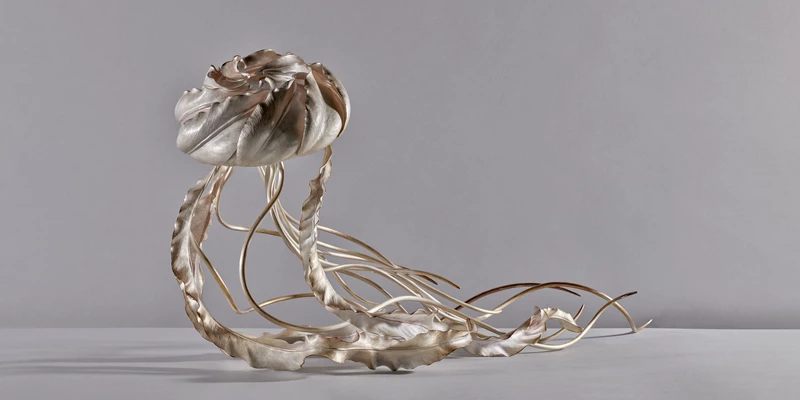
In 2025, as part of the P&O Makower Trust Commission, silversmith Will Romeril recreated the gameboard with 20 squares containing designs and information relating to facts and statistics found in government reports, service provider and economic data websites. Reflecting that the infrastructure of modern Britain is a game we don’t know how to play. Suitably titled: Royal Game of Urm...?
A Handling version of the Royal Game of Urm...?
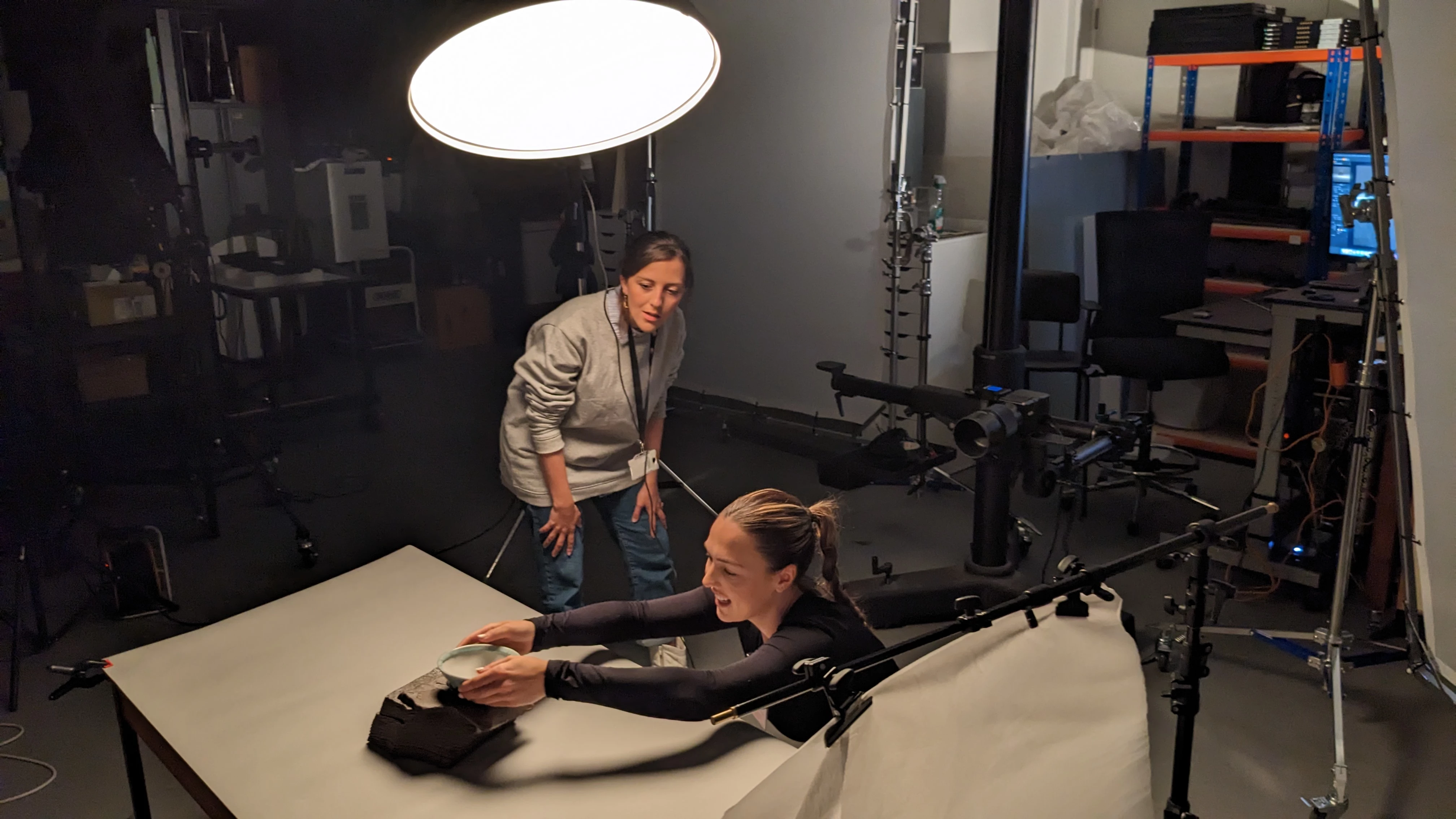
The opportunity to commission a playable version of the Royal Game of Urm…? was so important for accessibility. When any object is out in a case, it is protected and put into a different context. It is changed from something you touch and interact with to something you look at and imagine.
Will Romeril created a playable version of the Royal Game of Urm…? so visitors can use the game as it was originally intended. While we may not know the rules we can connect to people that lived thousands of years ago. We can imagine what their lives and the systems they lived by might have been and compare them to our own. We wonder how they navigated them, and were they any better than what we live by now?
The Royal Game of Urm...? is a P&O Makower Trust commission, and is on long-term loan to Amgueddfa Cymru – Museum Wales. It is on display at Ruthin Craft Centre as part of the P&O Makower Trust Collection from Amgueddfa Cymru exhibition from 28 March - 14 June 2026. For more information please head to the Ruthin Craft Centre website.