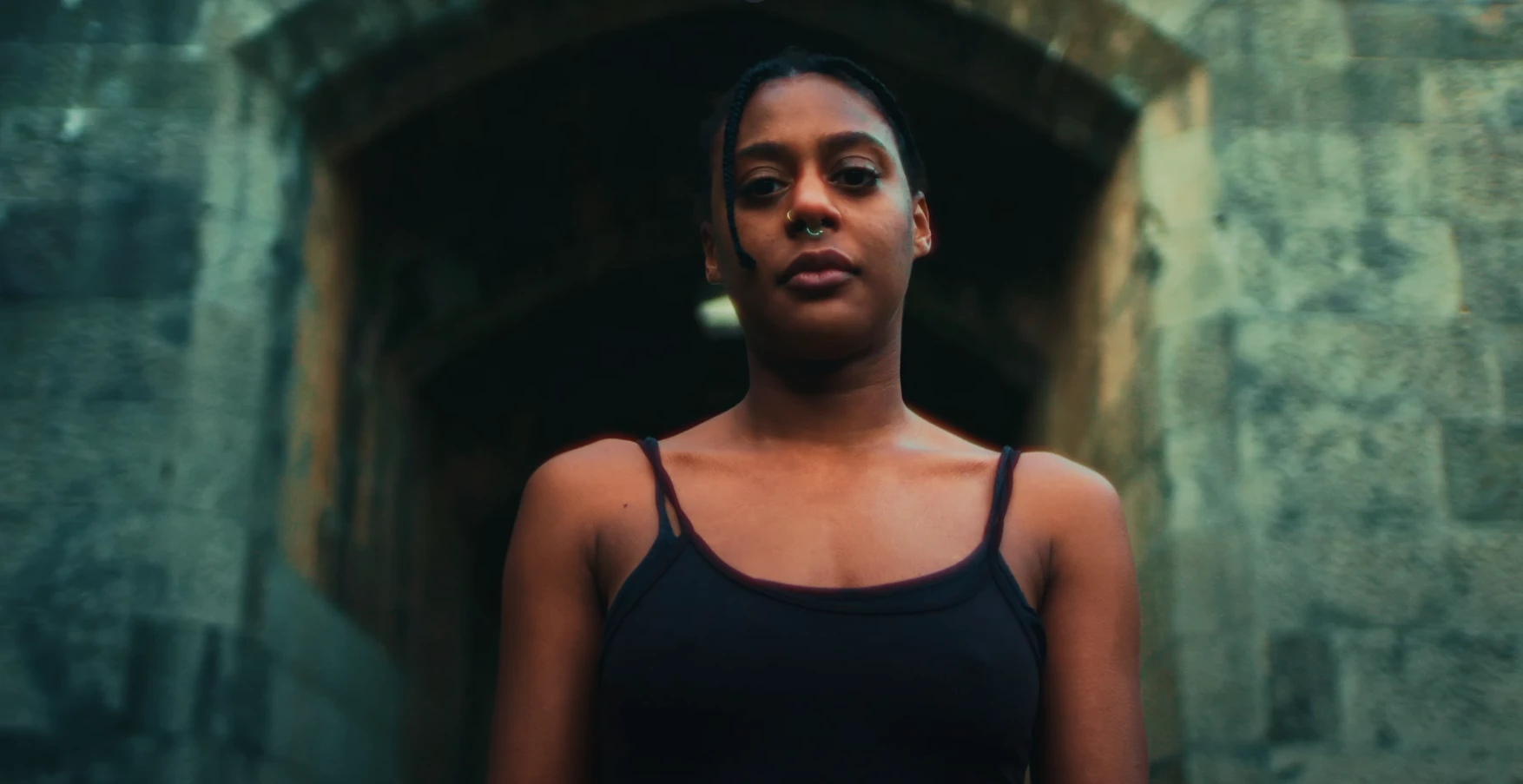
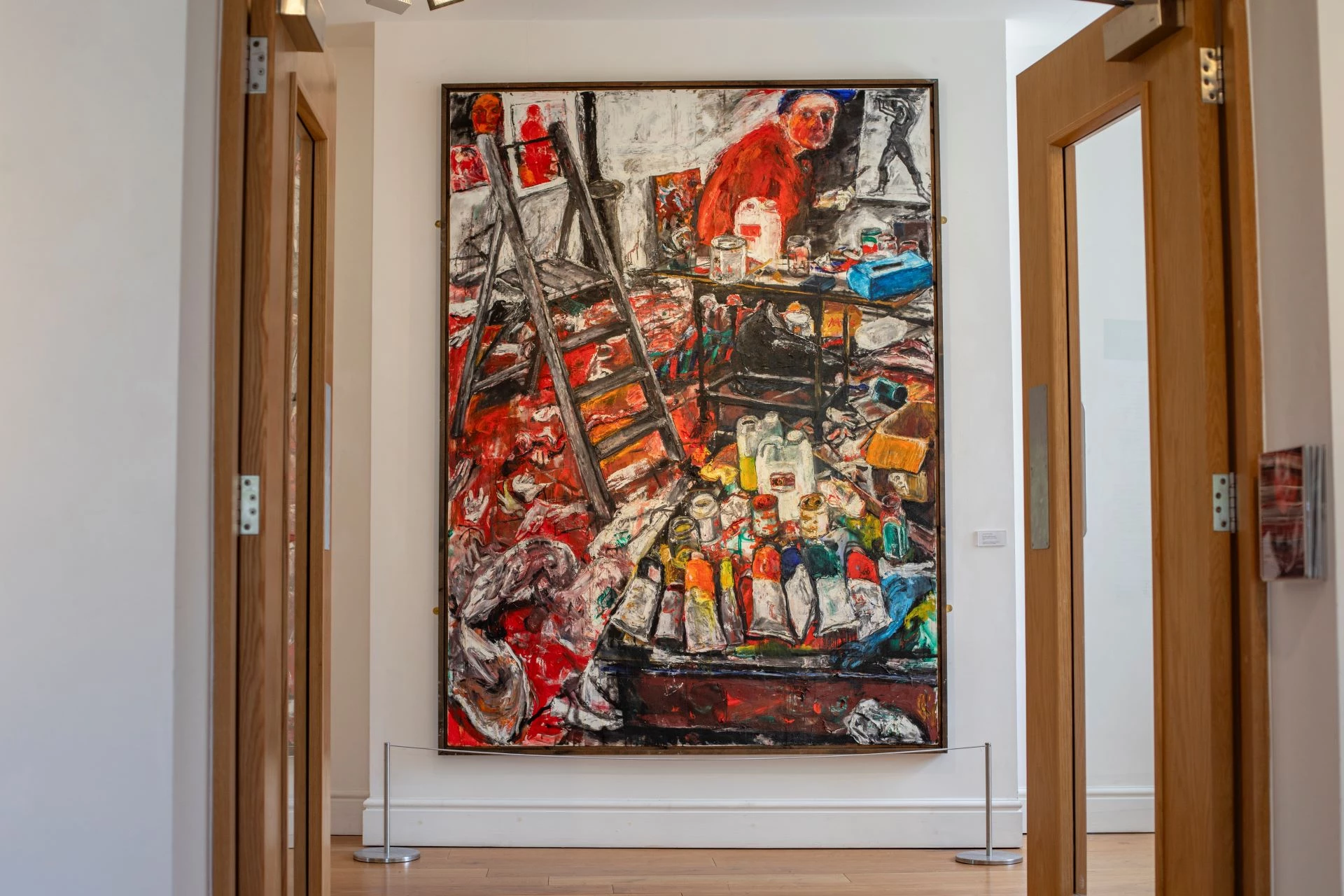
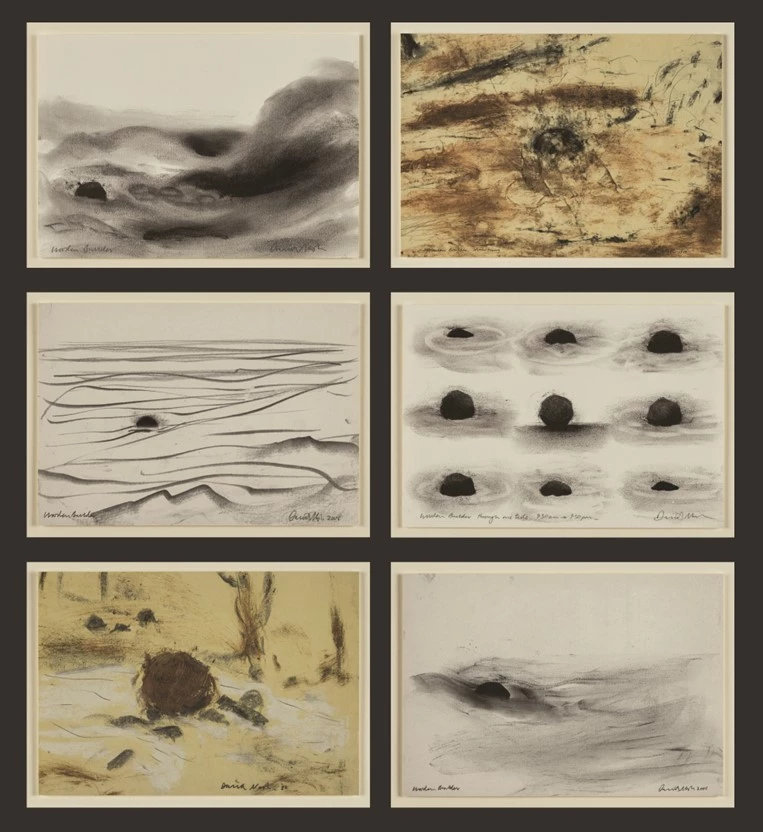
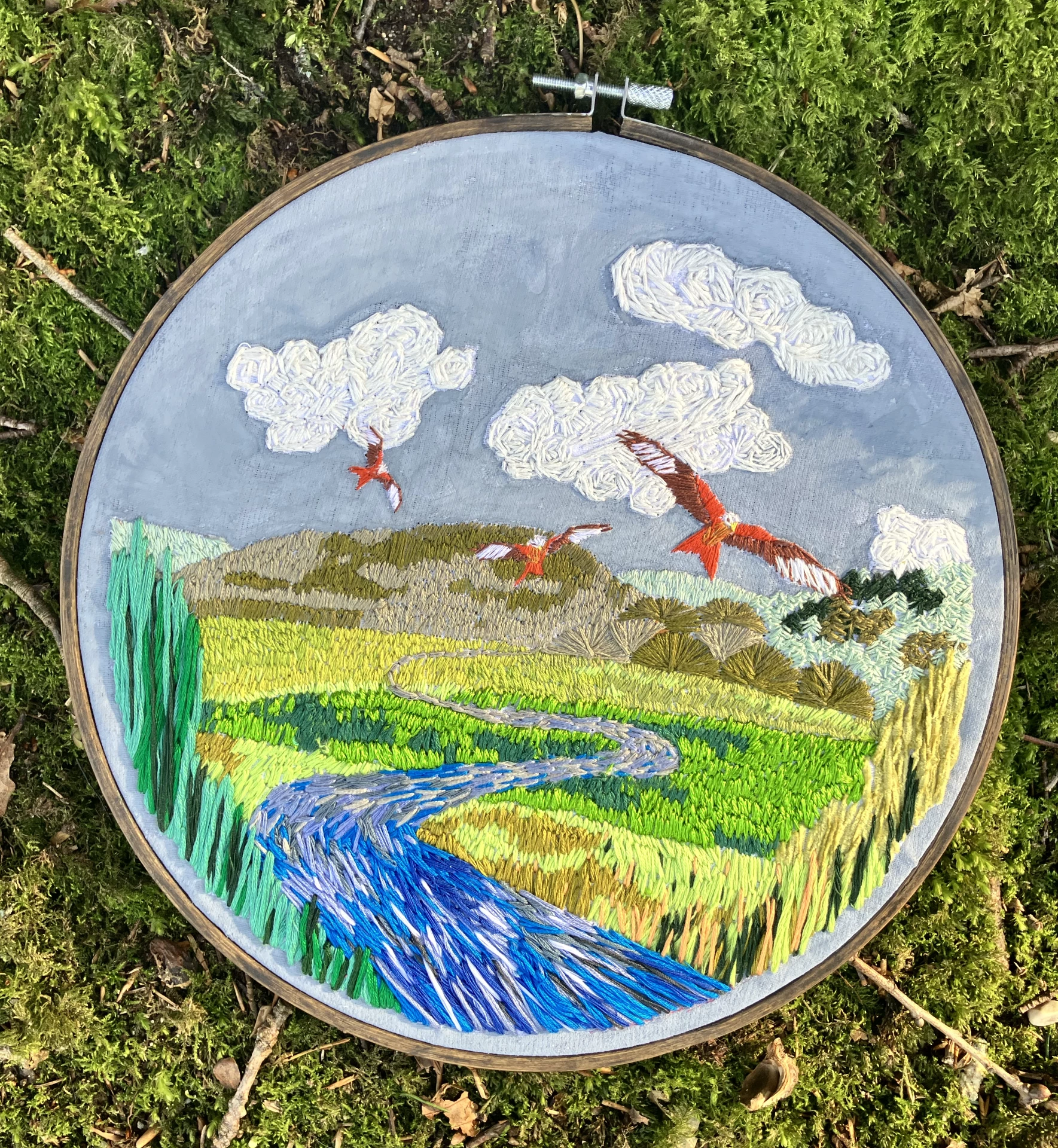
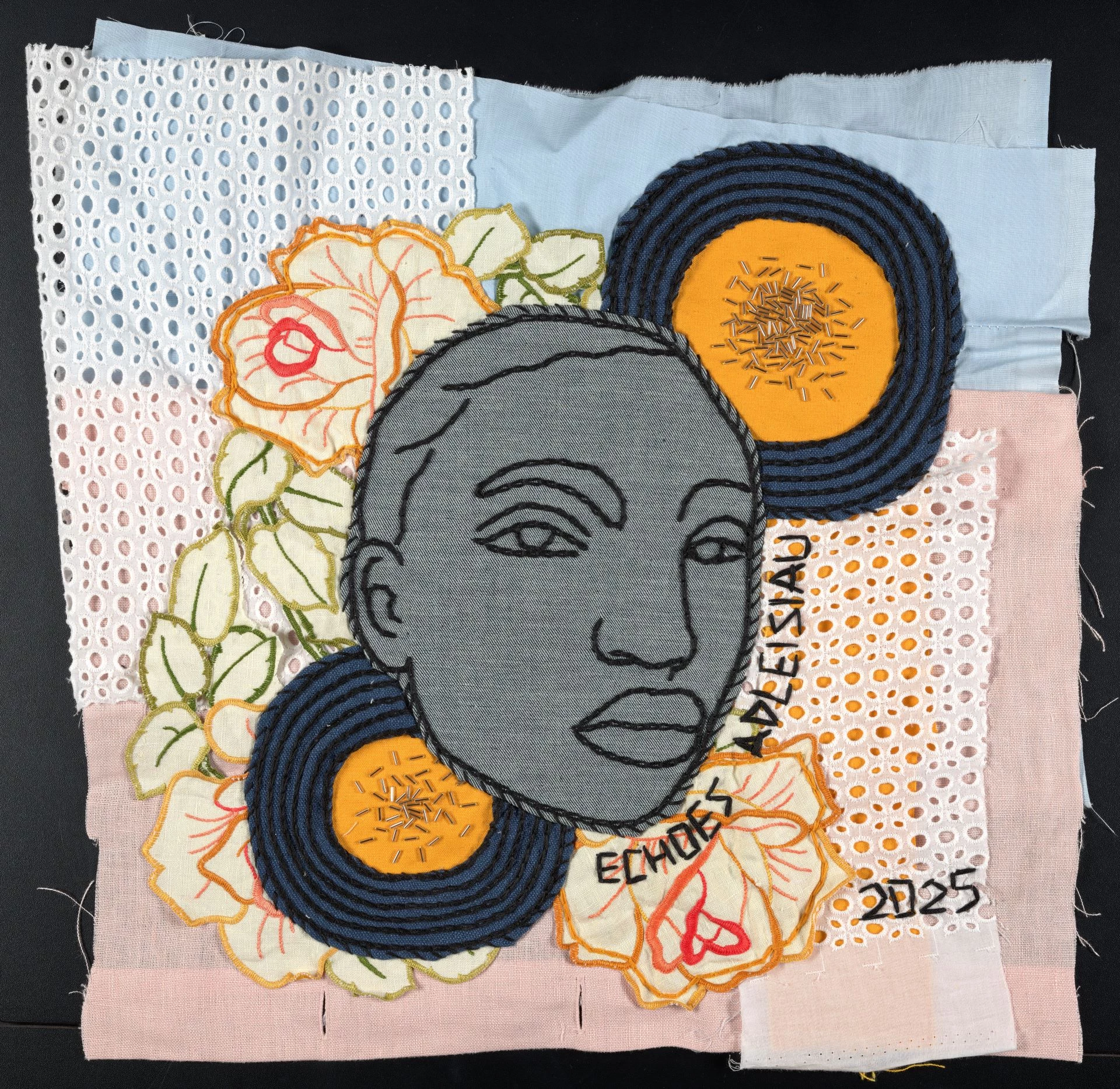
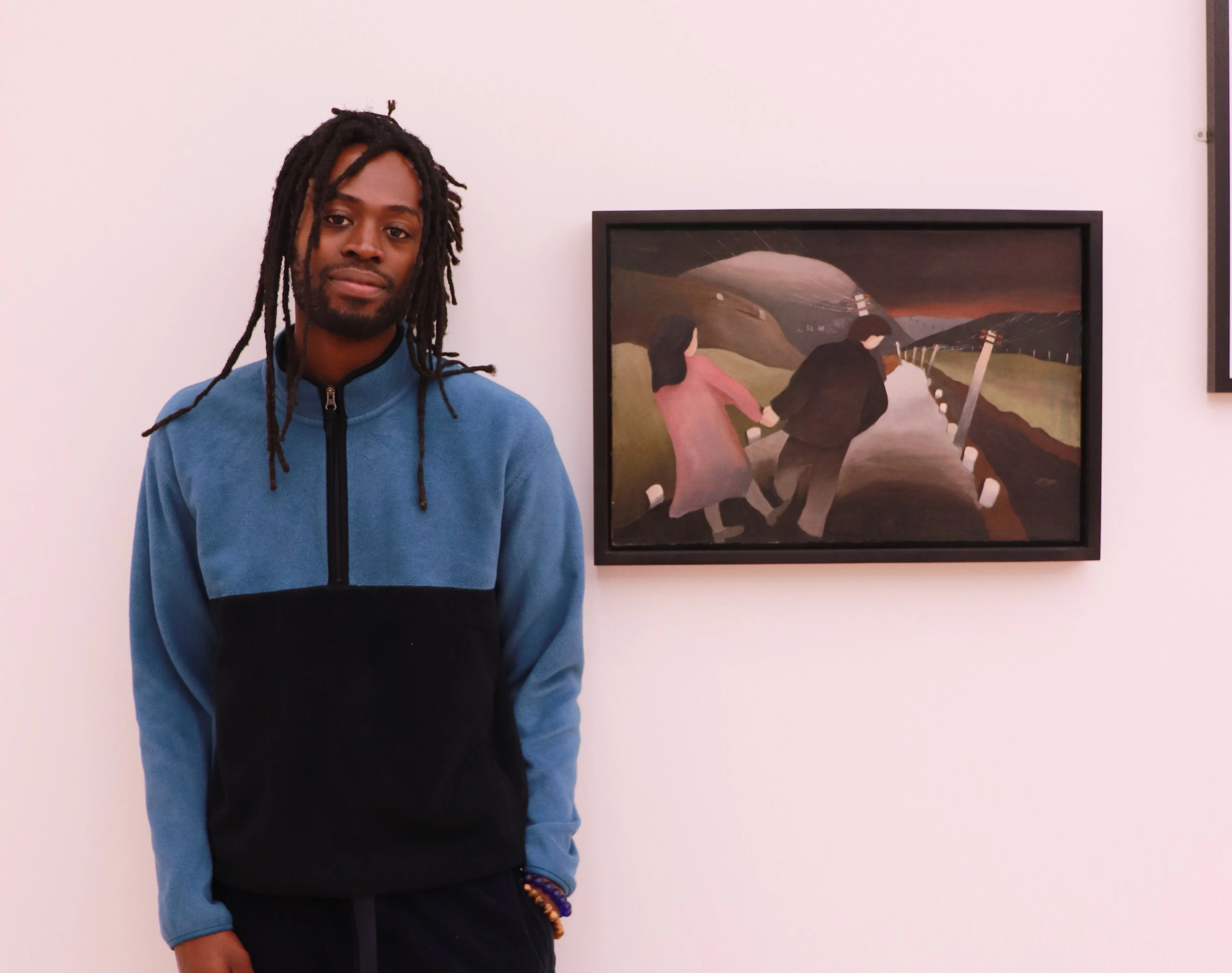
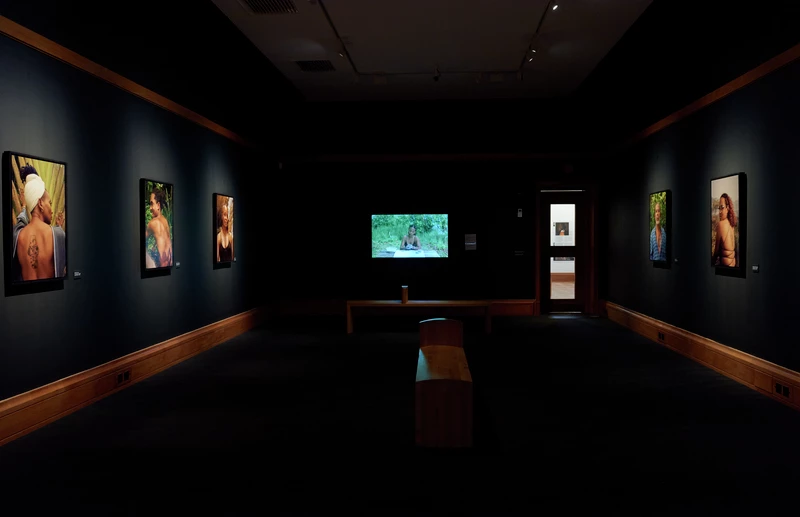
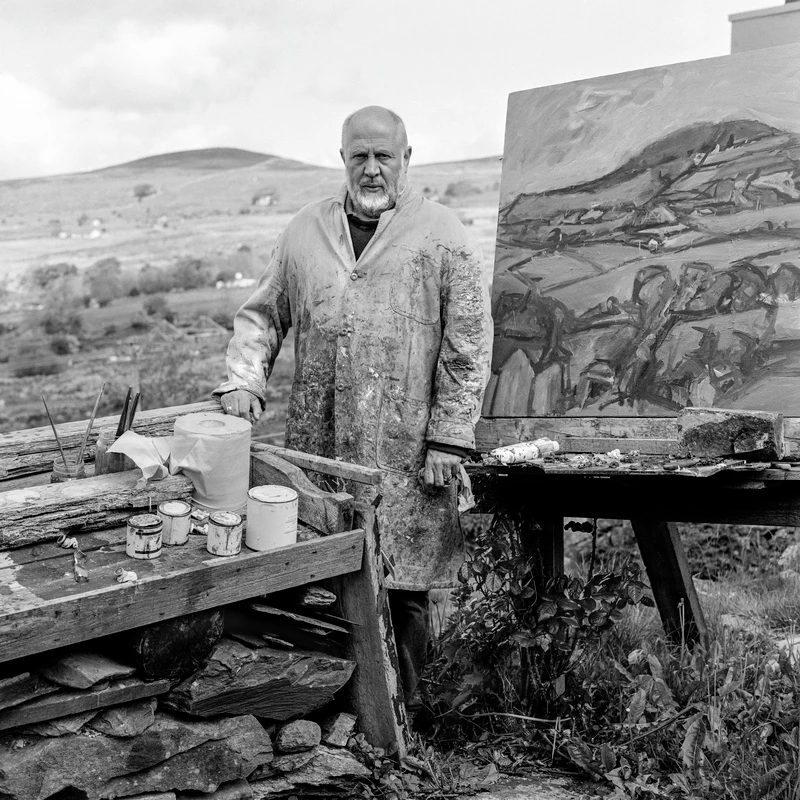
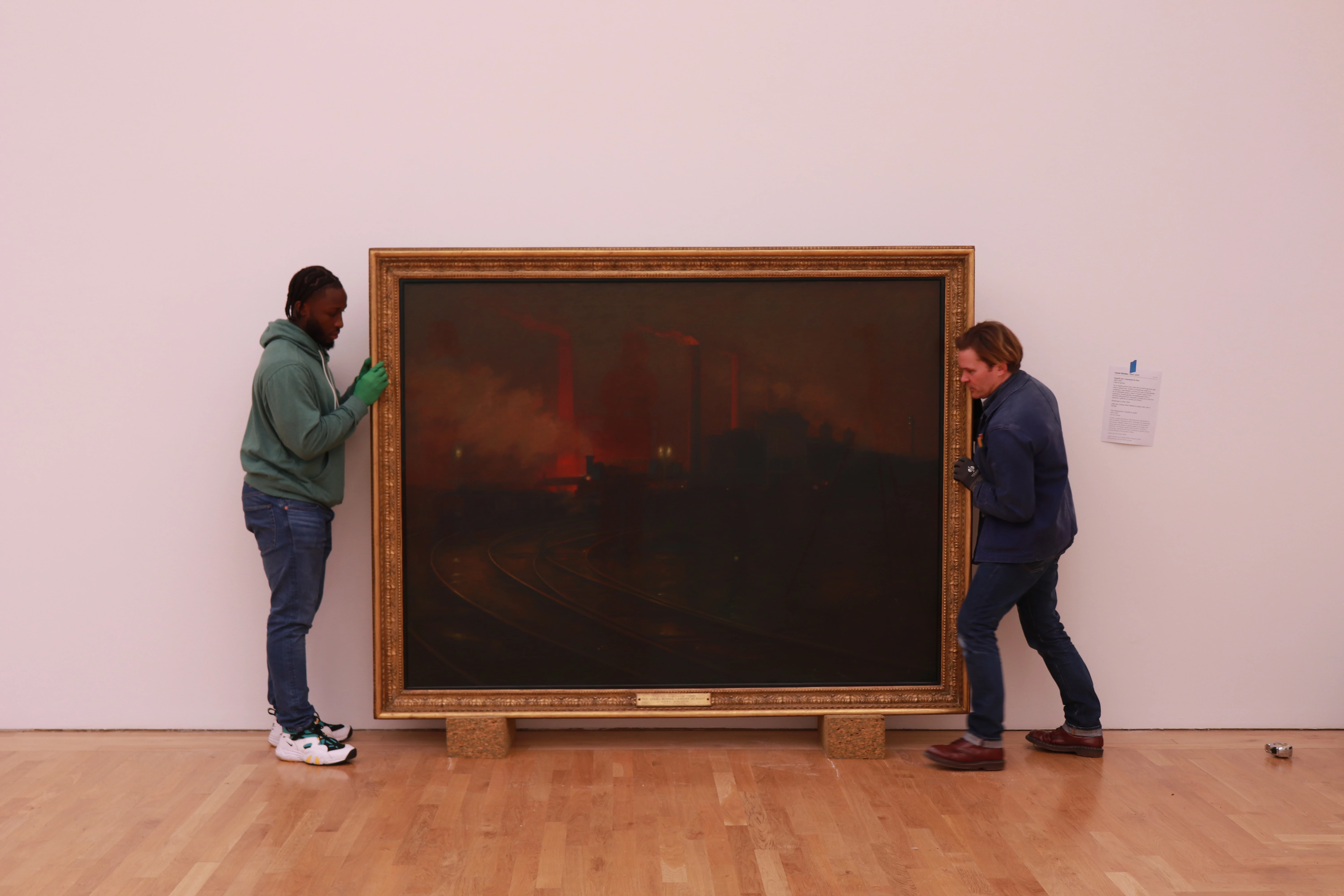
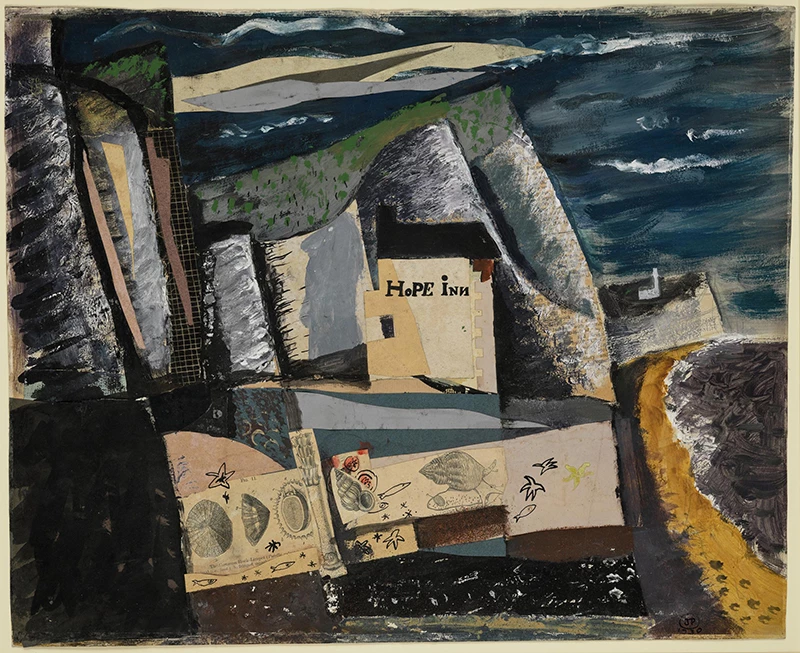
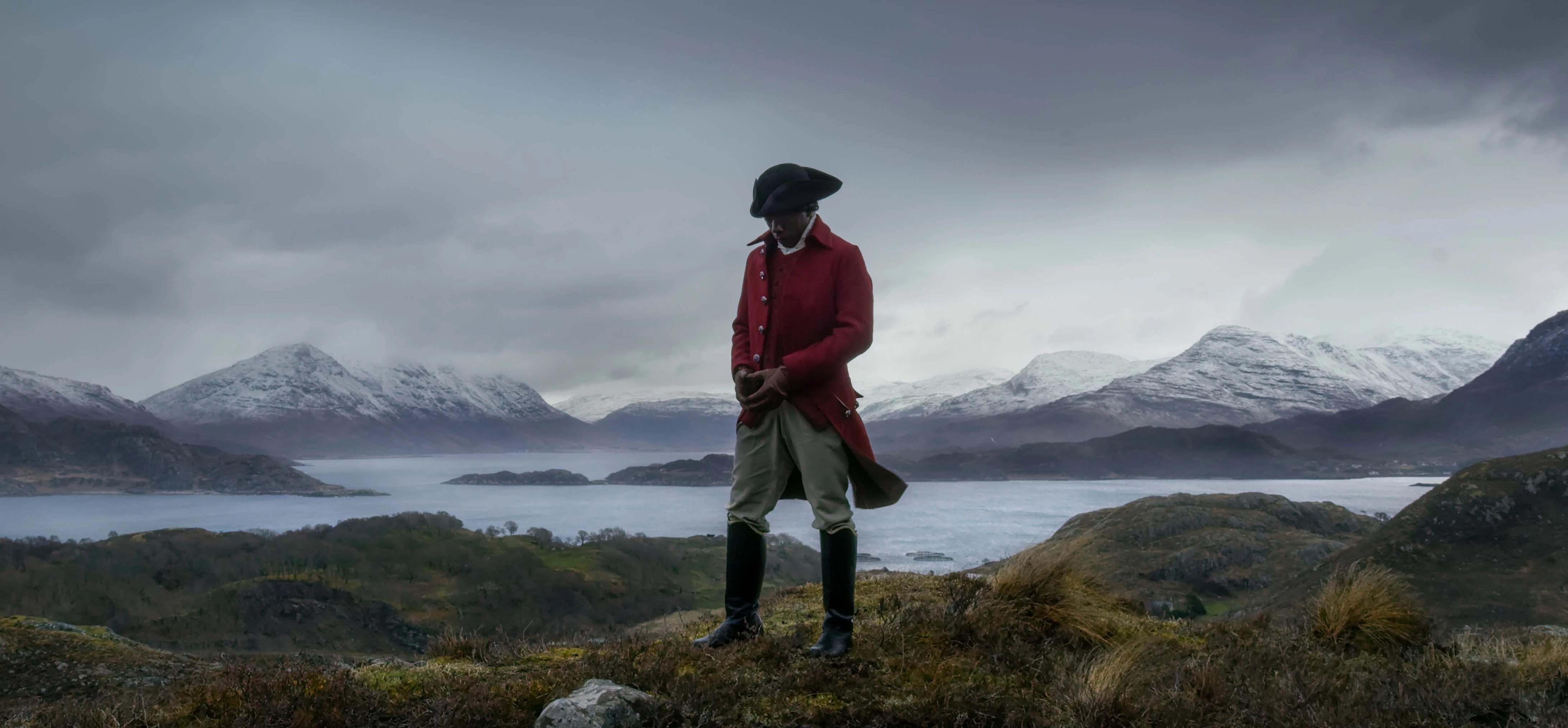
As part of CELF - Cardiff based graffiti artist RMER ONE was comissioned to create a piece inspired by the national collection and write about his process and inspiration - here is what he created and how he went about it. Read all about it in his own words below
About Me
I am a self taught artist and have been specialising in graffiti art for the past 30 years. From a young age I naturally found that art was my sanctuary, always doodling and creating, but it wasn’t until my teens that I first caught sight of what would become the worldwide phenomenon, Graffiti Art.
For many, graffiti is synonymous with typography, and while I certainly honed my skills and techniques of how to use the spray can and manipulate the paint through letter styles, I was always drawn to the more visual elements of graffiti productions, always in awe of the characters that would be painted to accompany large productions.
In the late 90s, Cardiff based Cruel Vapours graffiti crew was established with Hoxe, Skroe, Foe and Dyes. Our styles were complimentary, but painting as part of a collective gave me the space and freedom to focus more on characters and portraits.
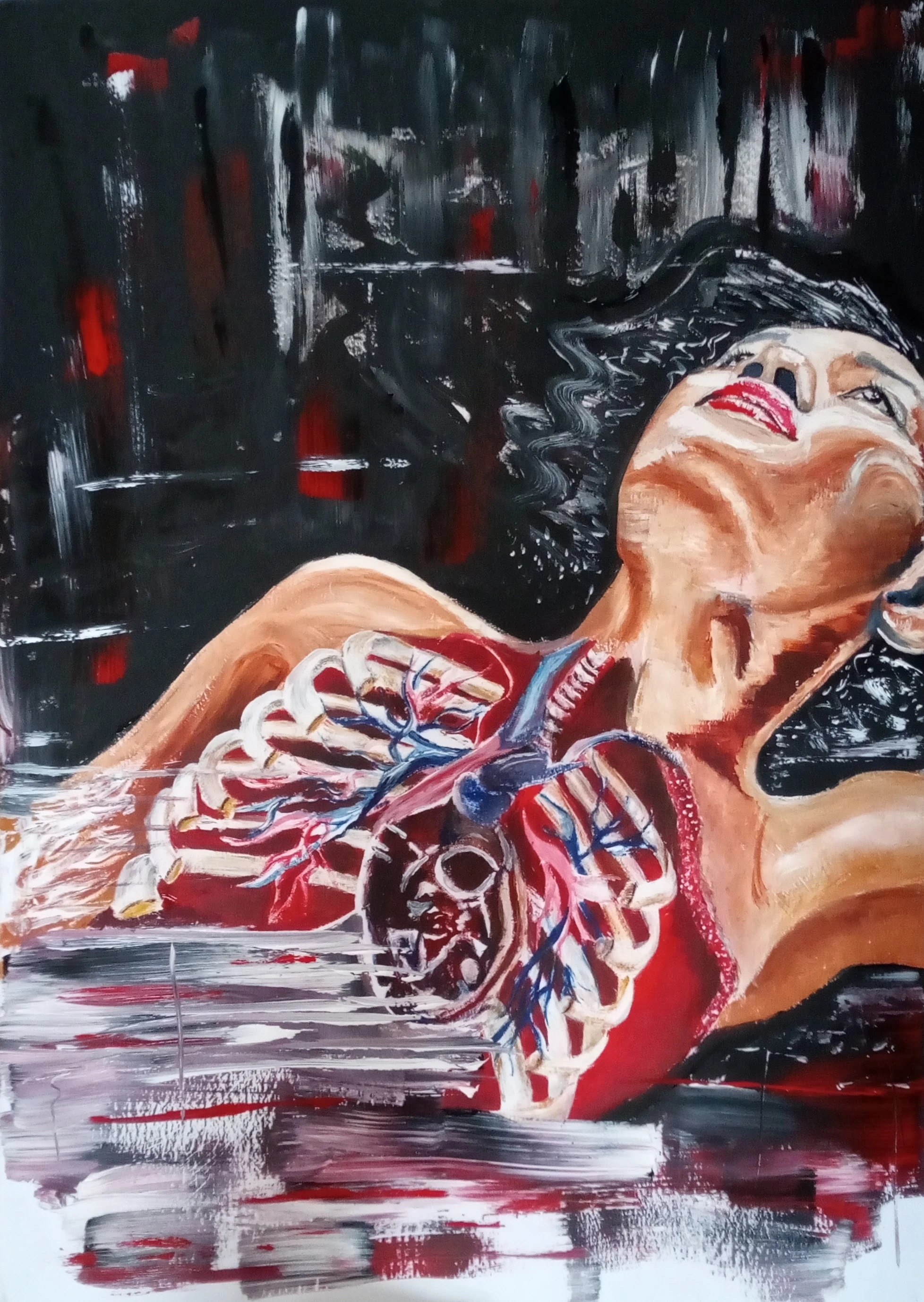
For many years I’ve continued to specialise in portraits, but more recently there has been a progressive evolution into a more introspective viewpoint, focusing on “the skull”. This has now become an ongoing series, almost a trademark of my art.
To me the skull becomes the inner portrait, with no filter of gender, race or difference, simply revealing the underlying beauty we all share as humans.
The Inspiration
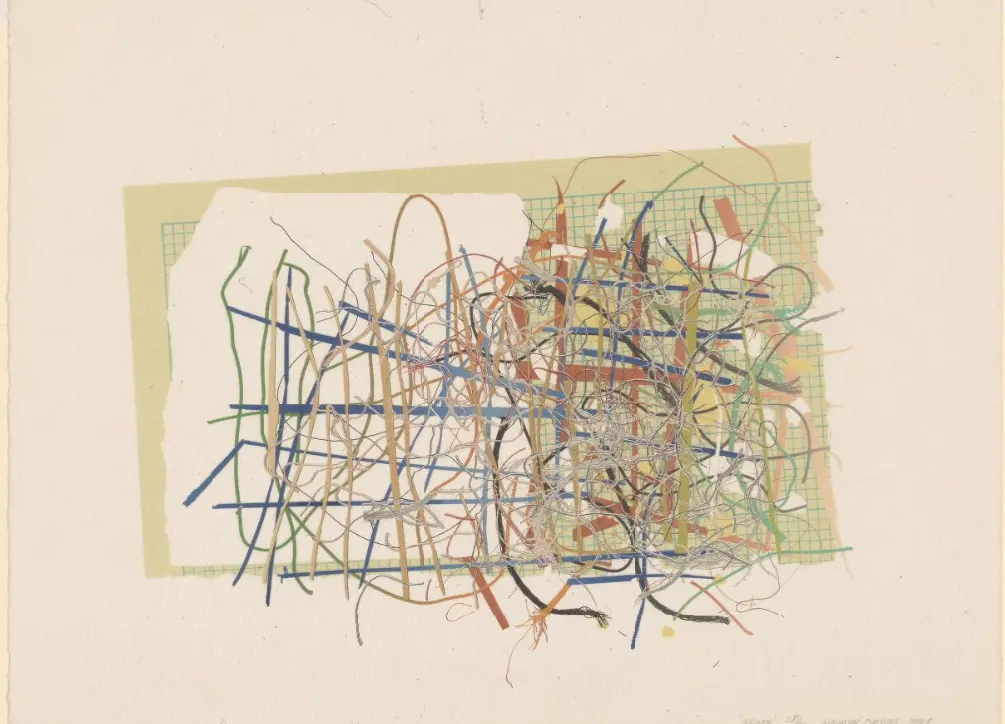
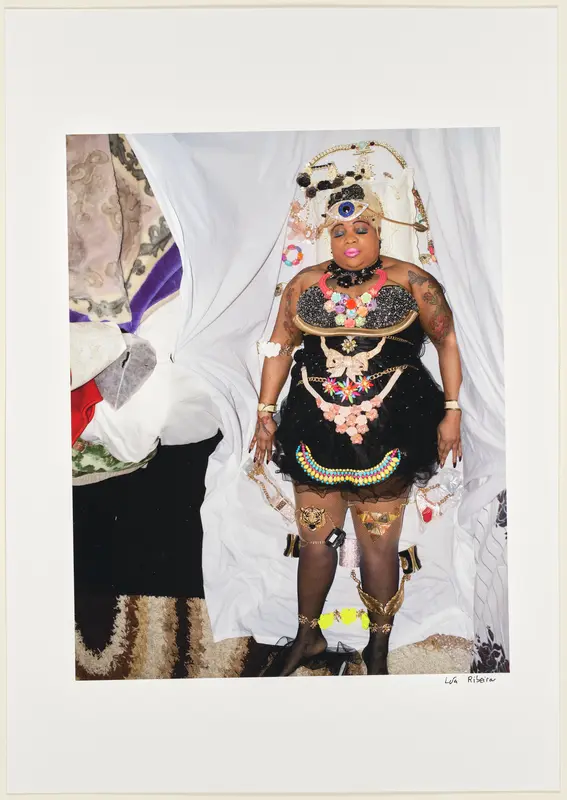
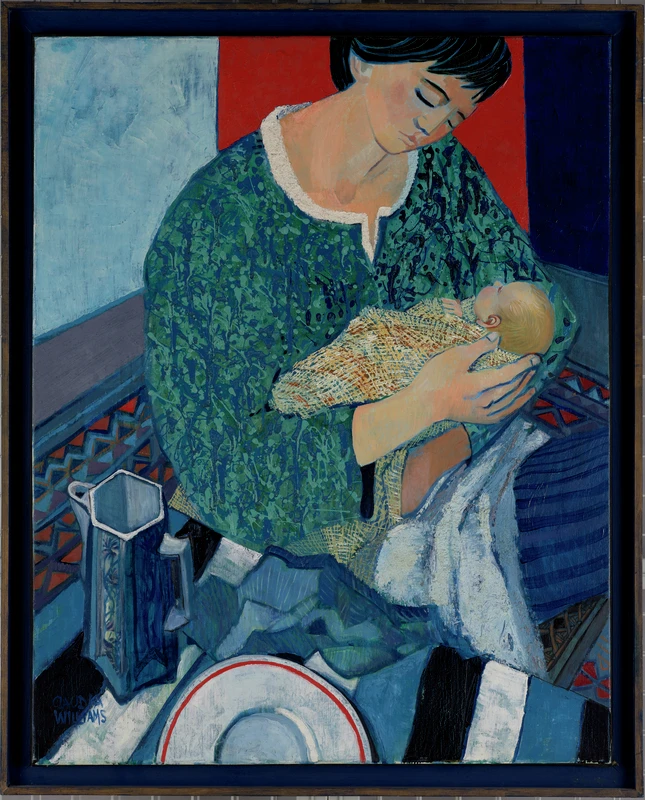
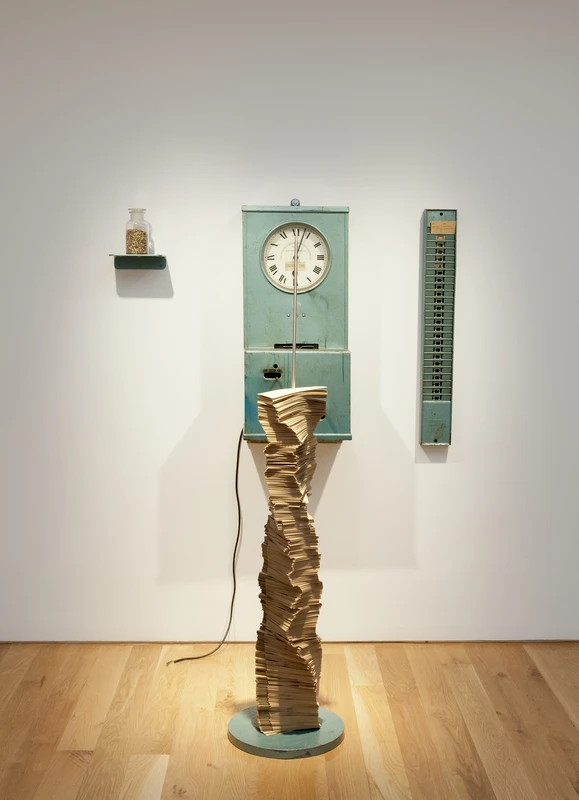
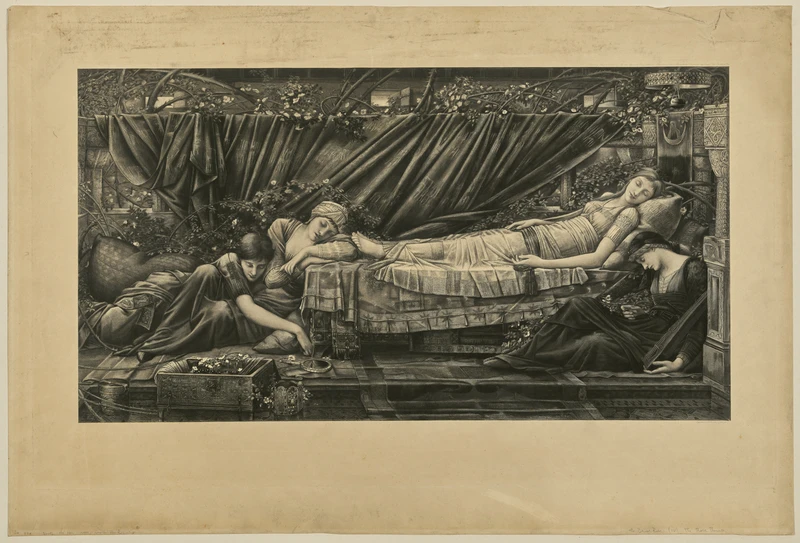
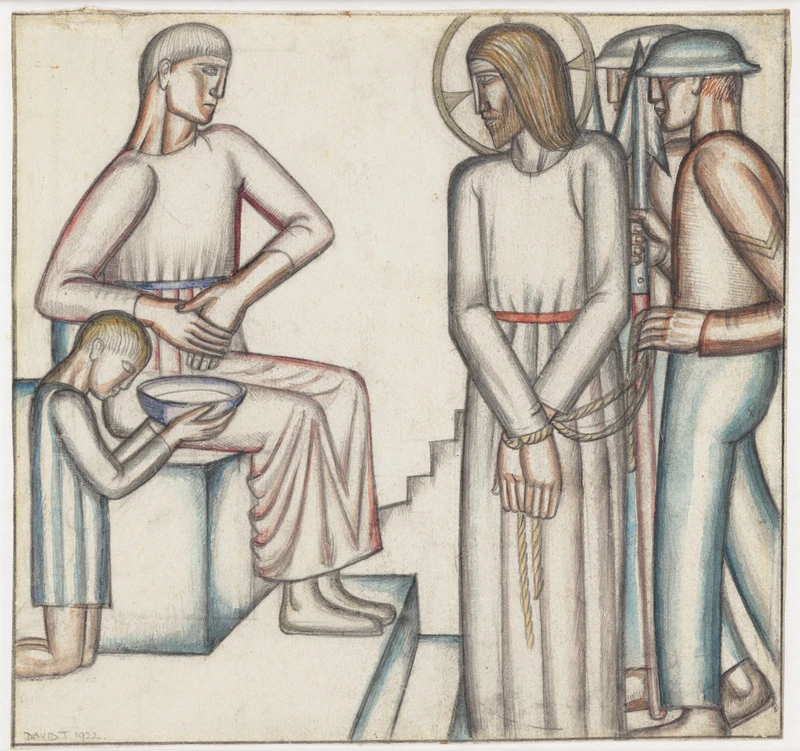
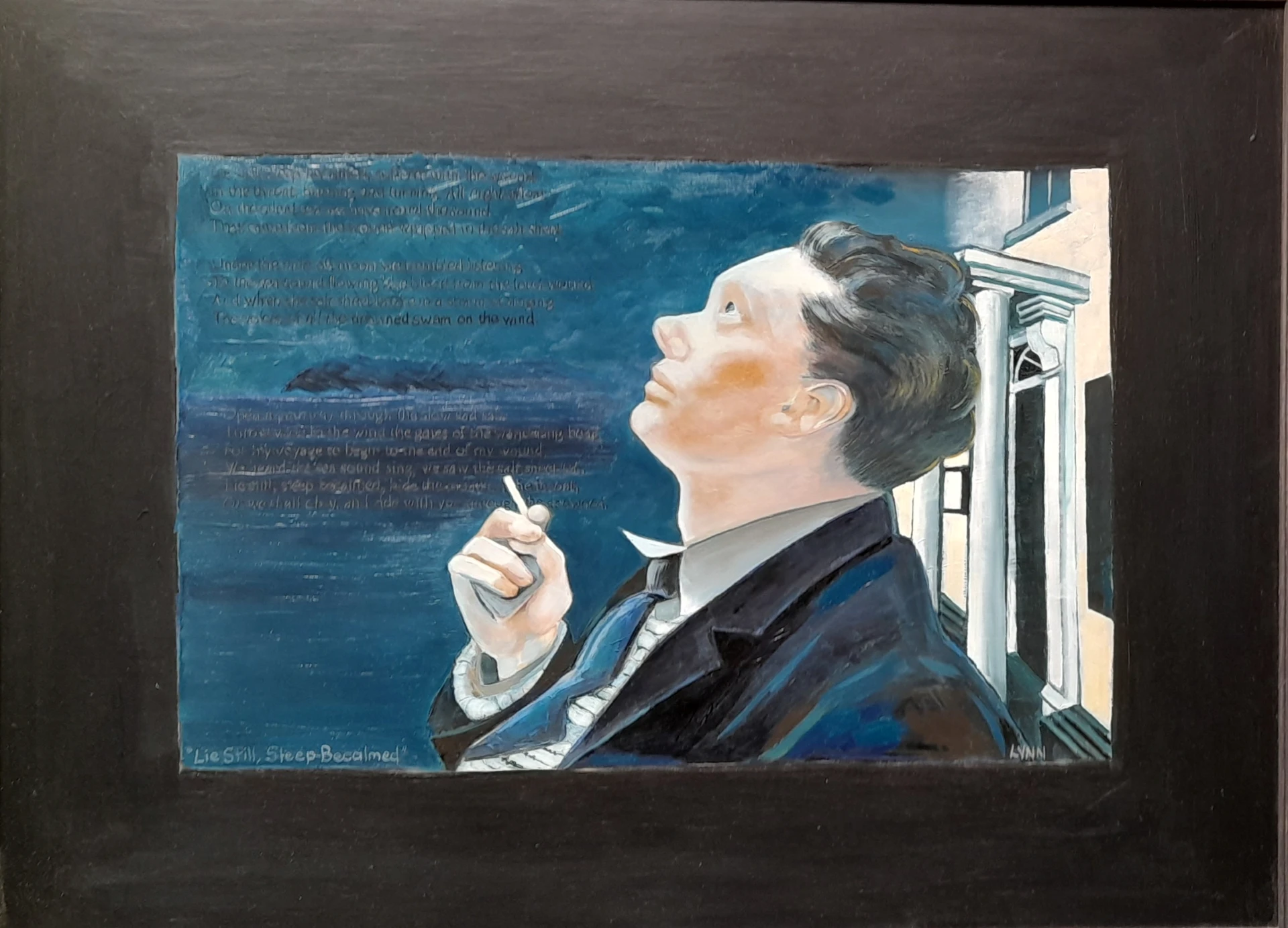
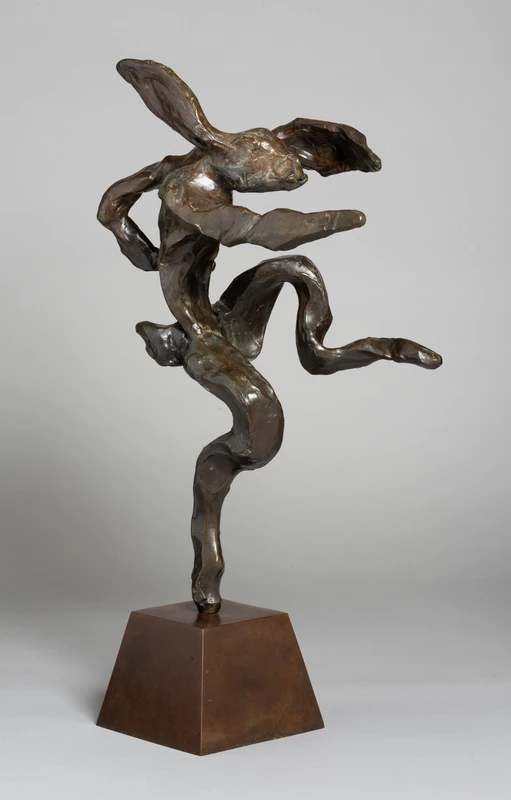
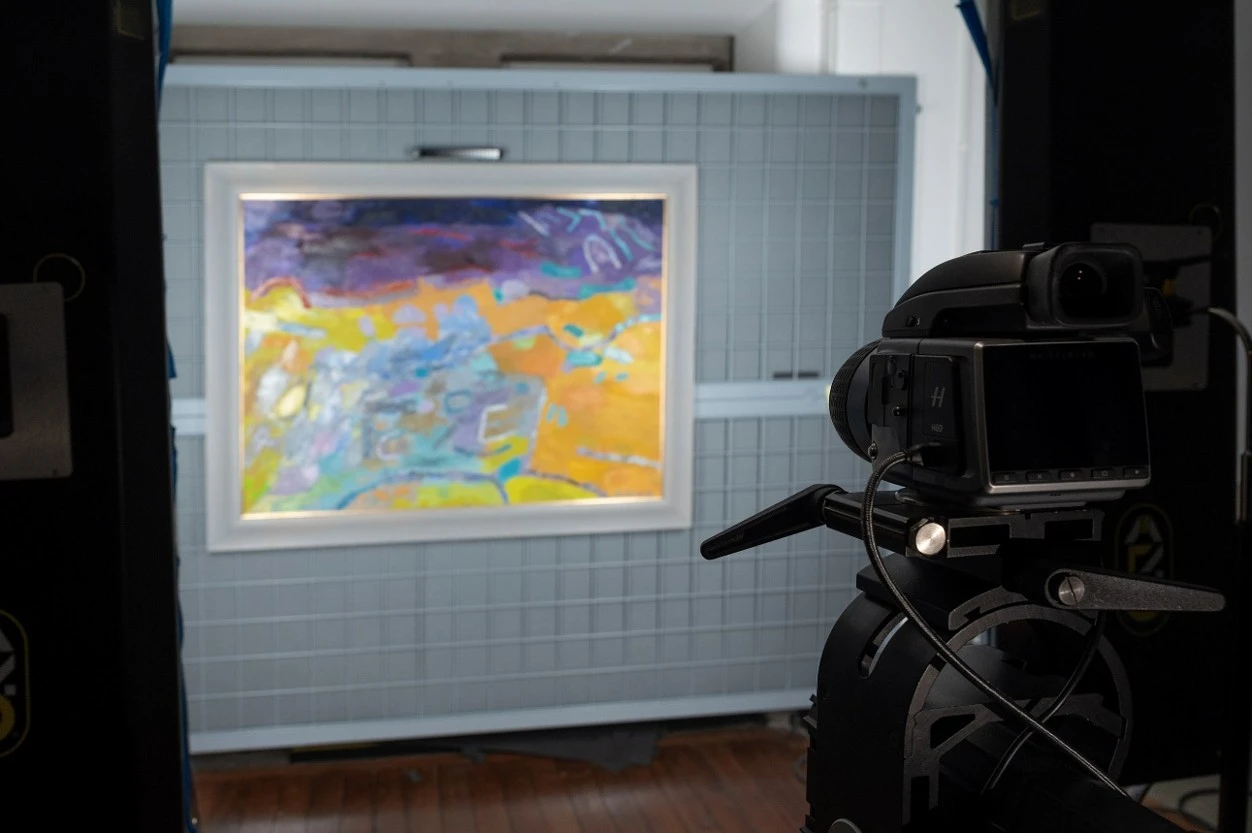
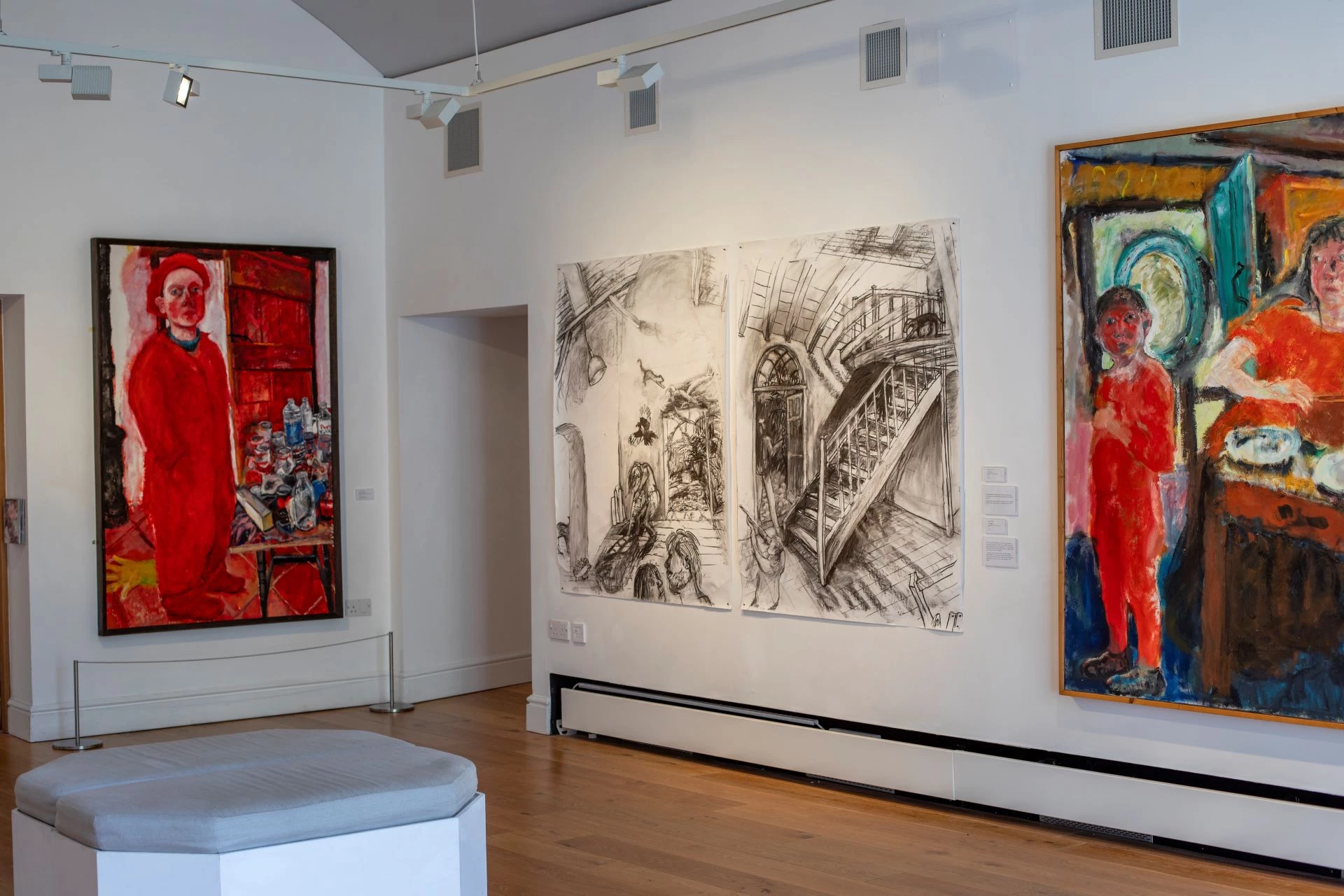
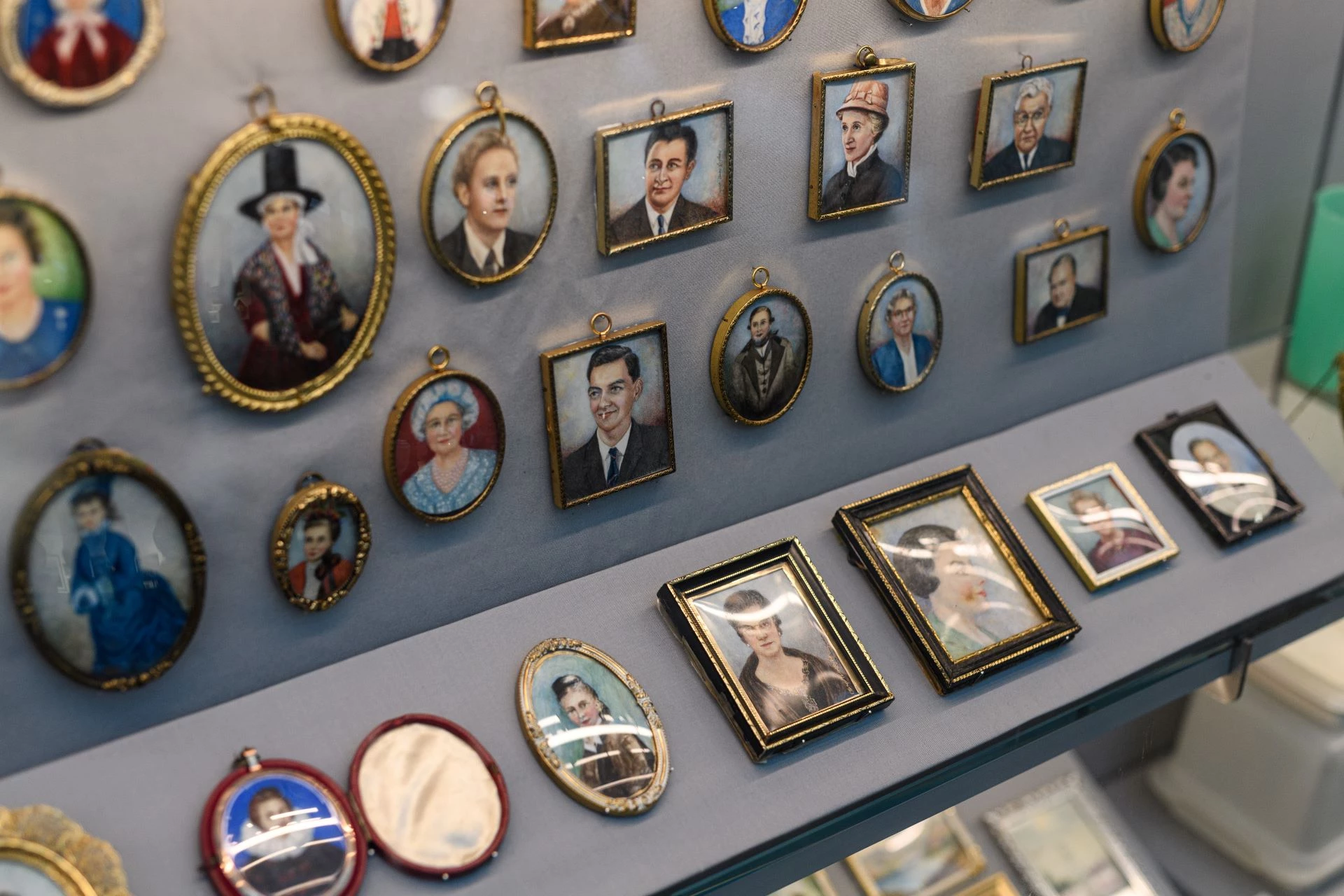
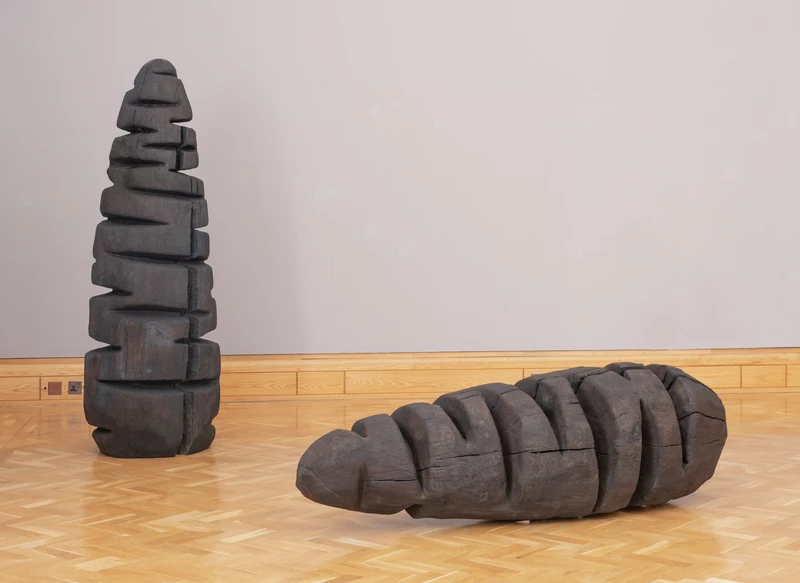
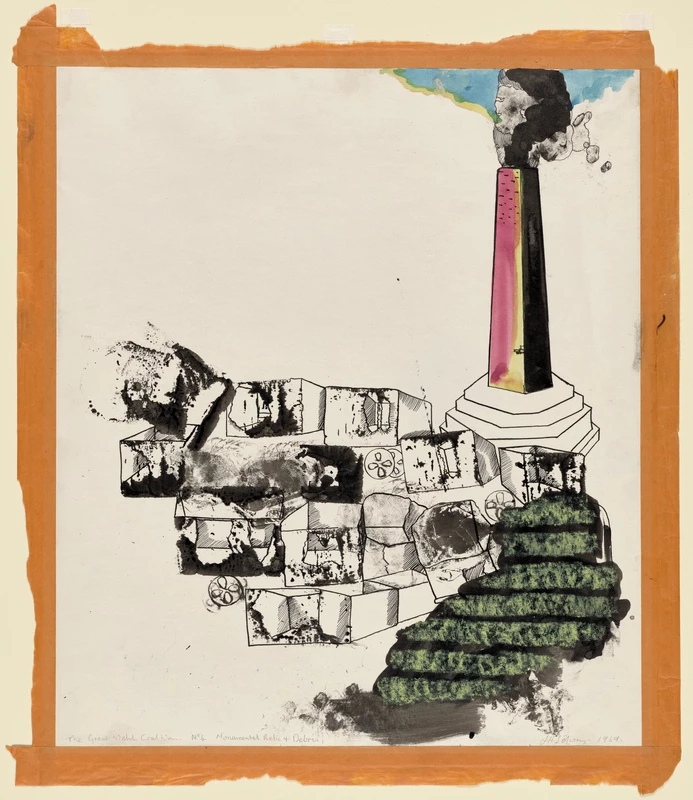
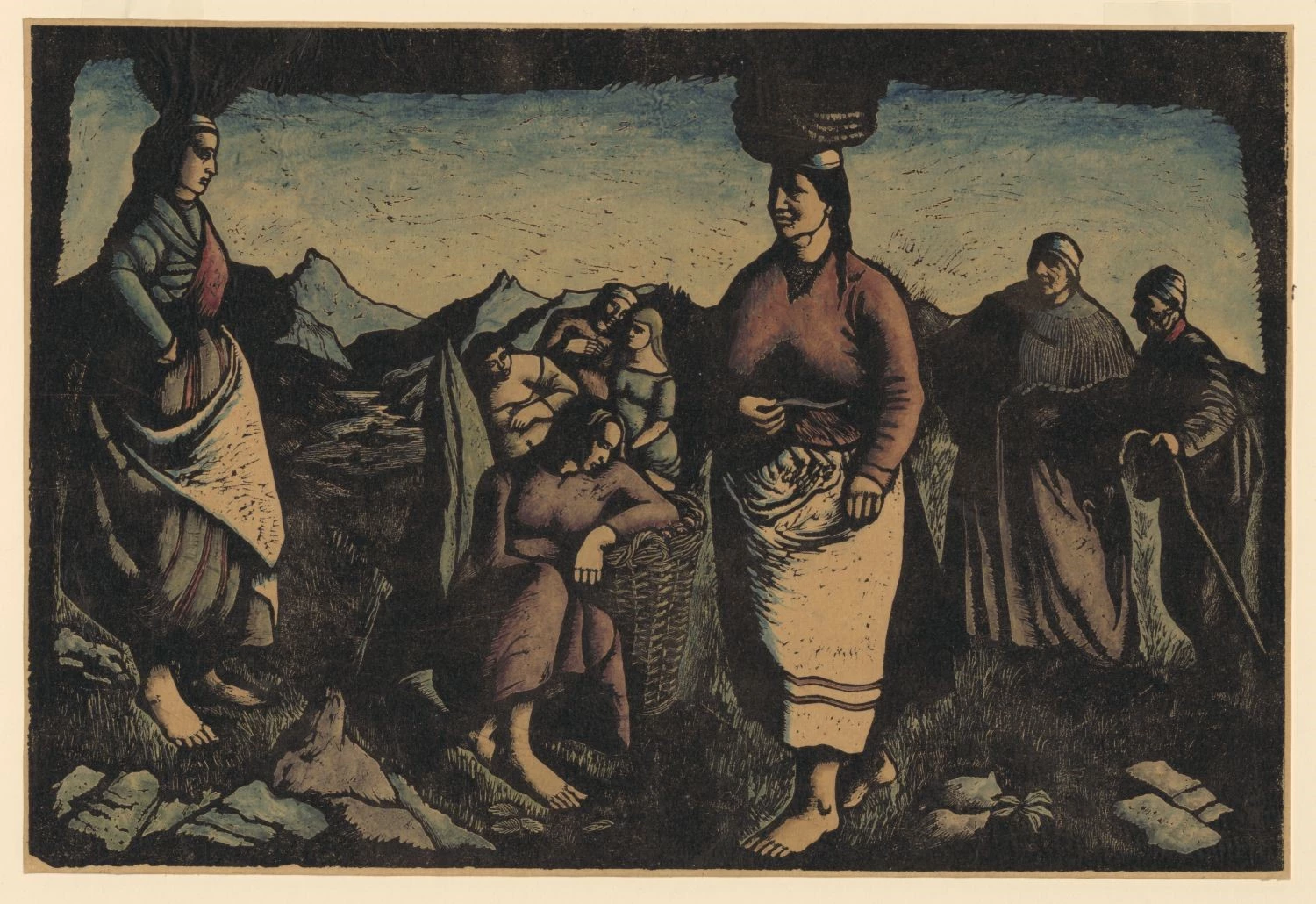
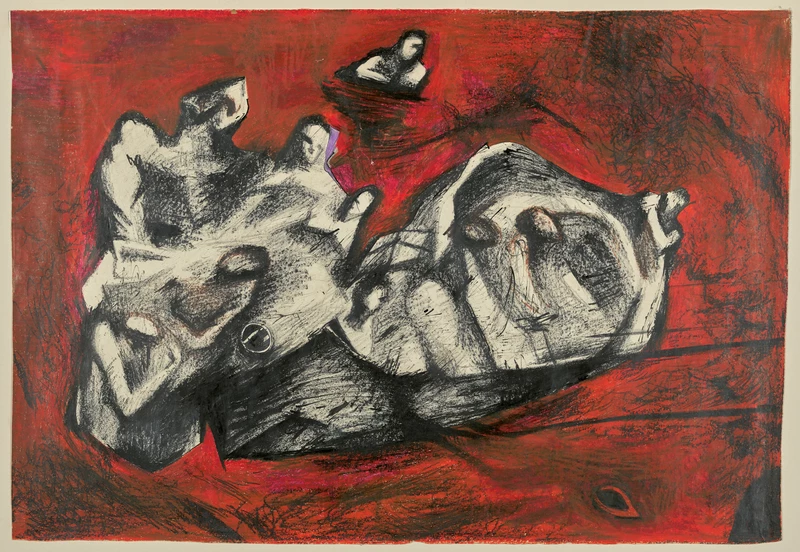
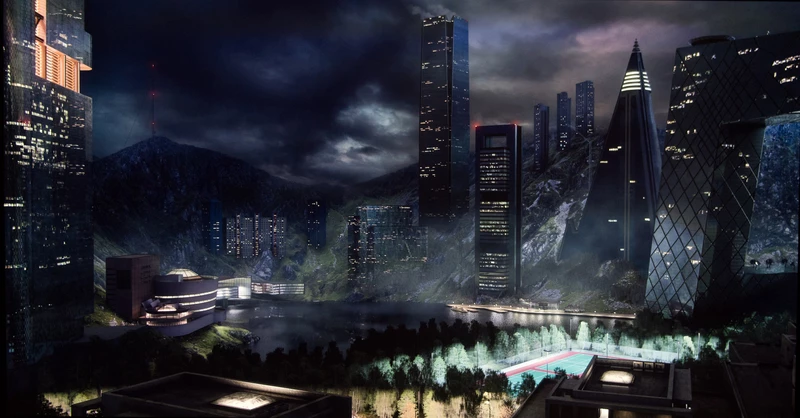
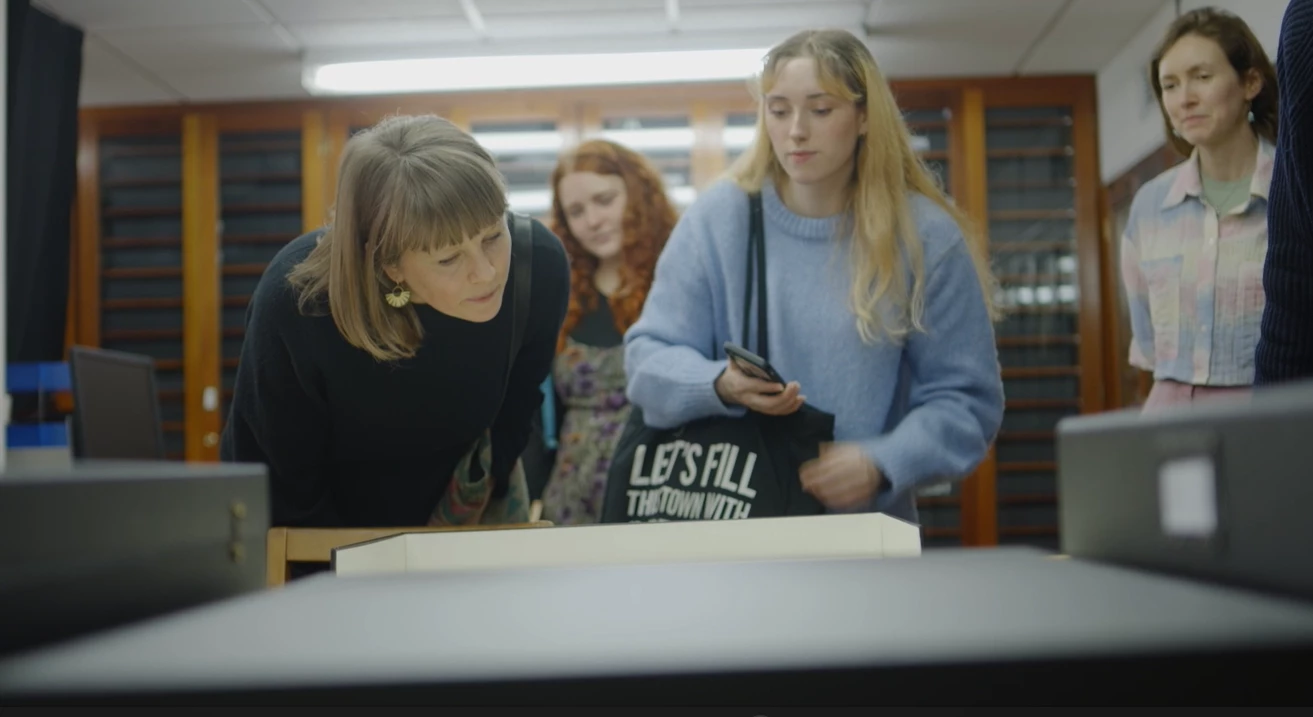
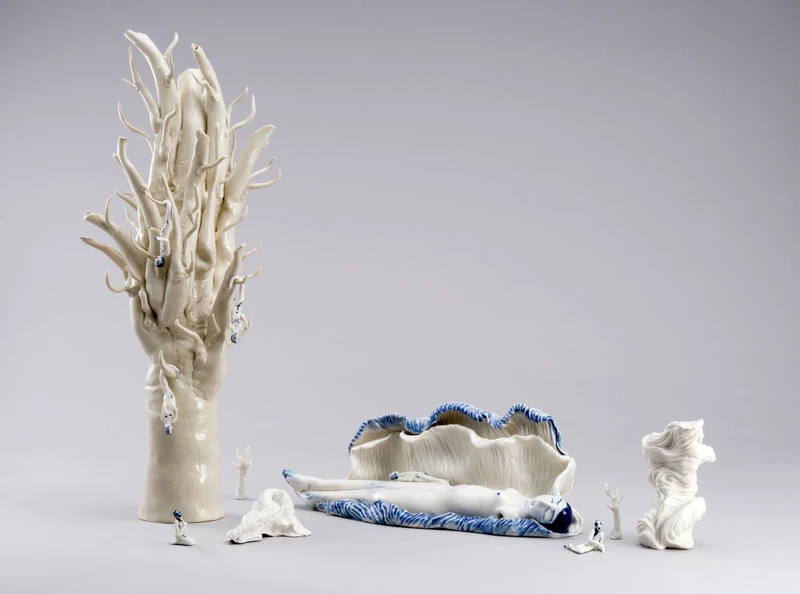
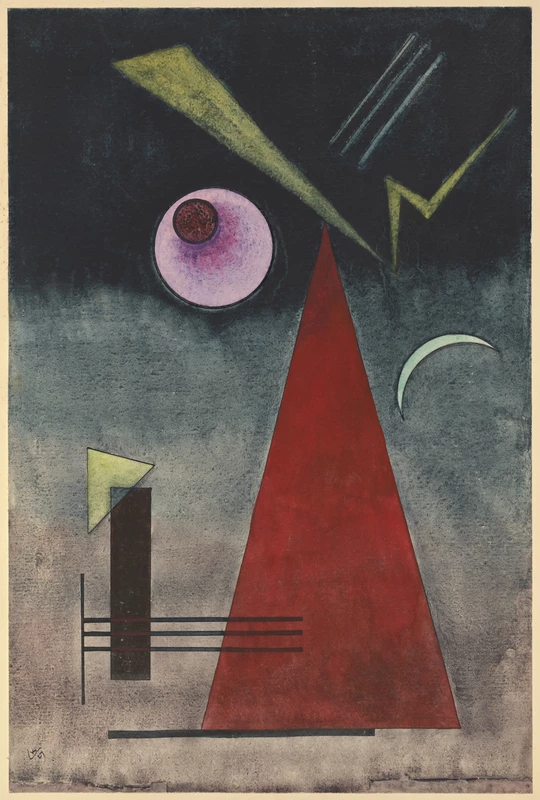
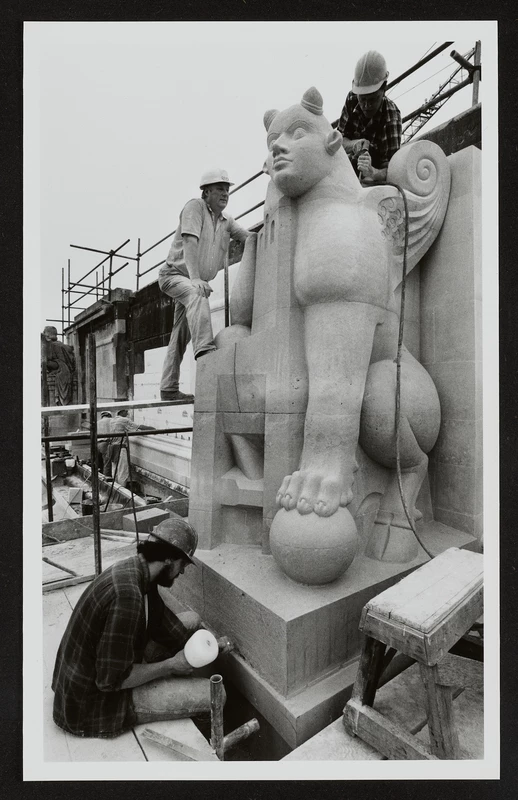
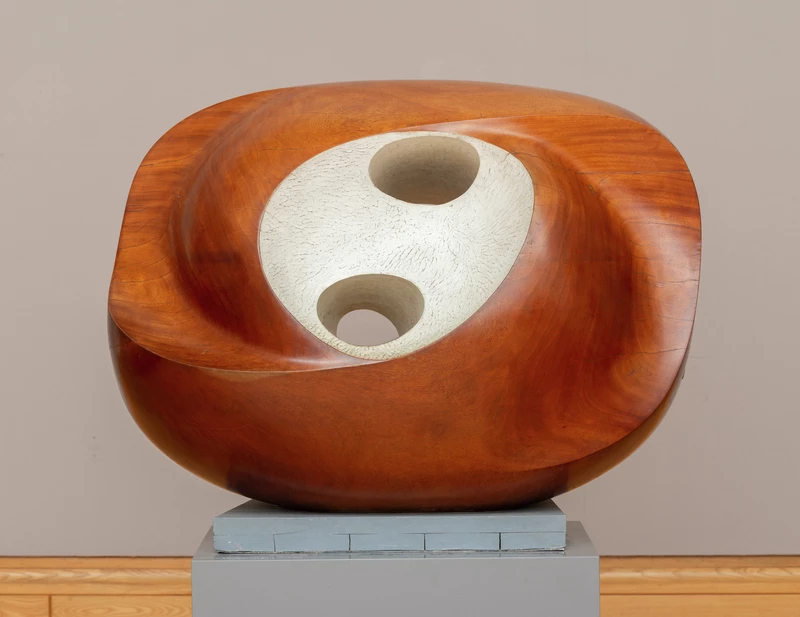
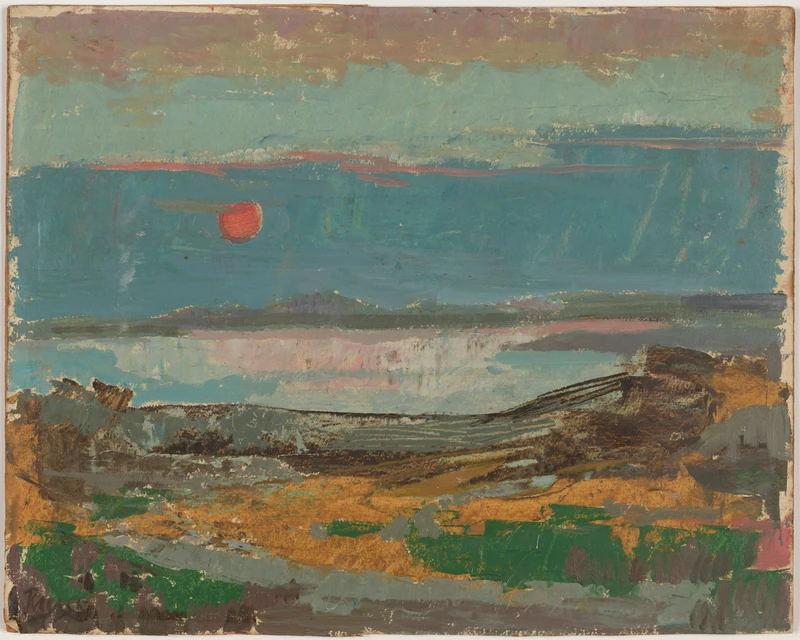
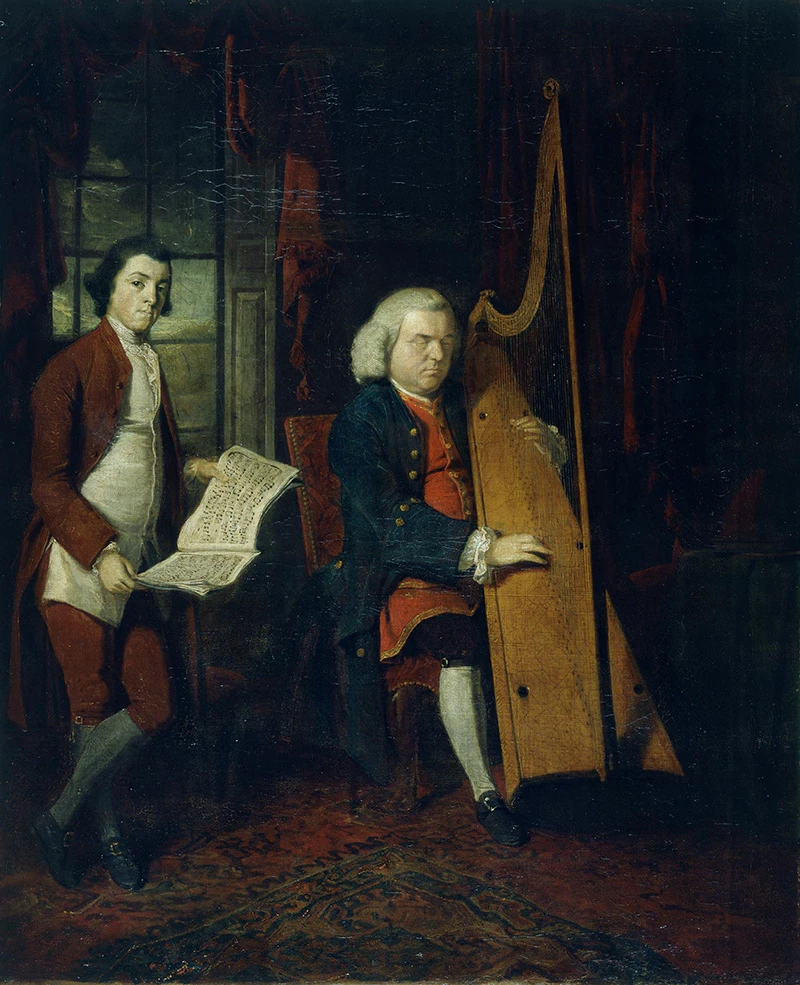
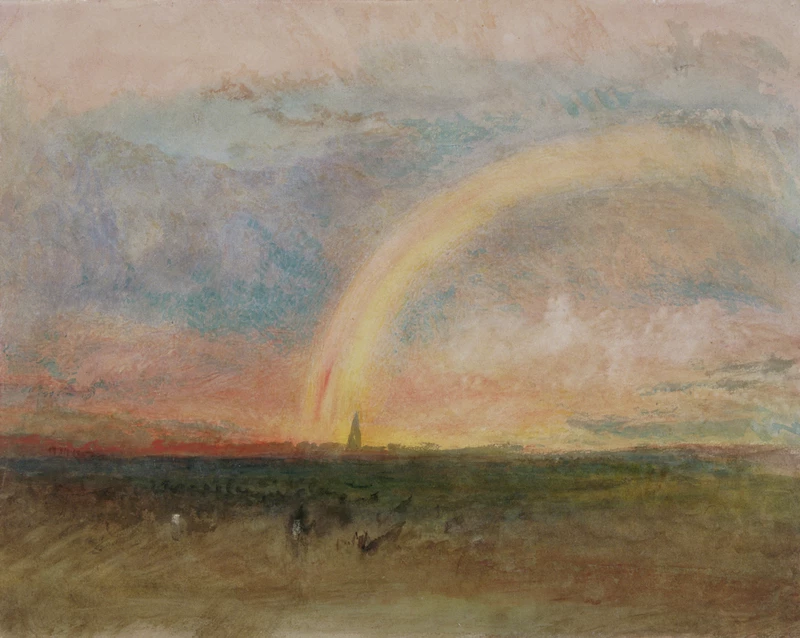
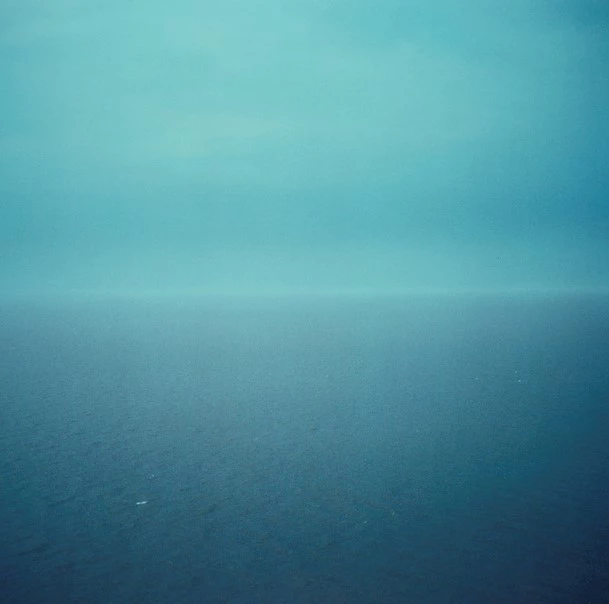
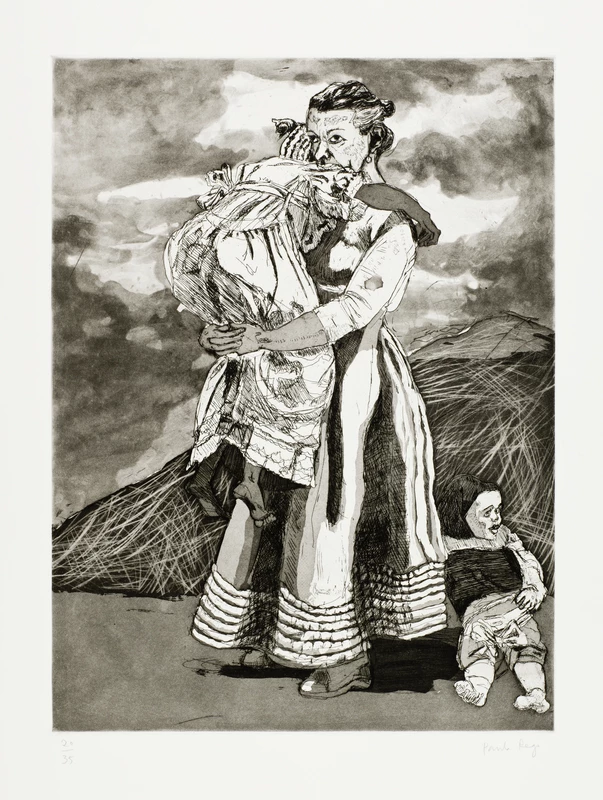
The brief for this commission was to be inspired by a piece of art from the art collection at National Museum Cardiff. After exploring the collections I was blown away by the variety of artwork on display.
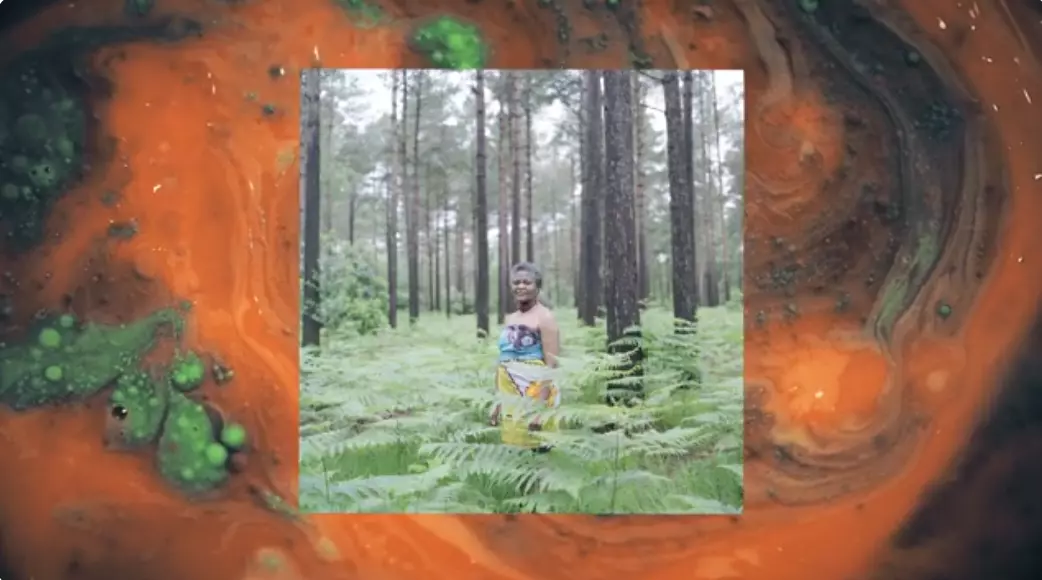
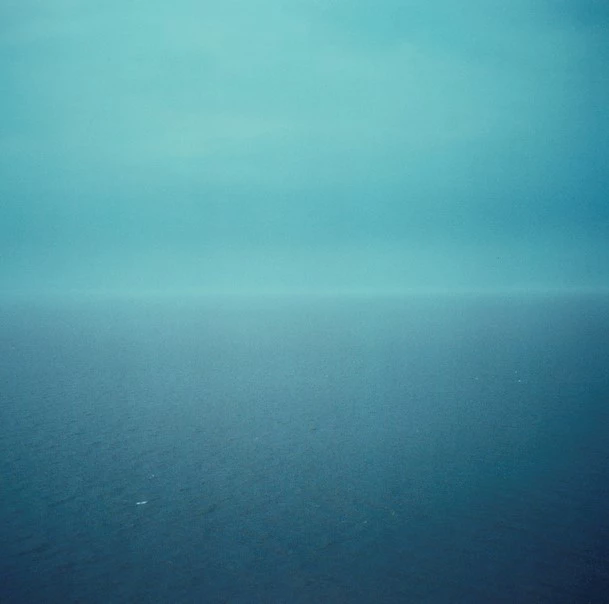
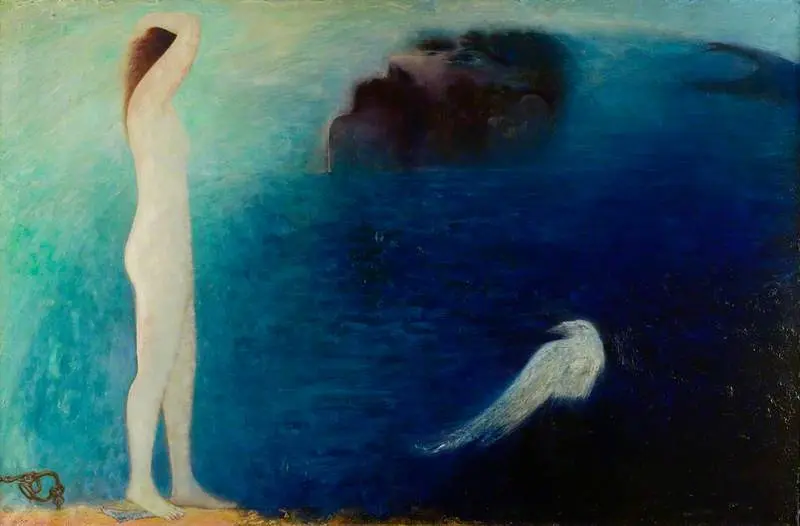
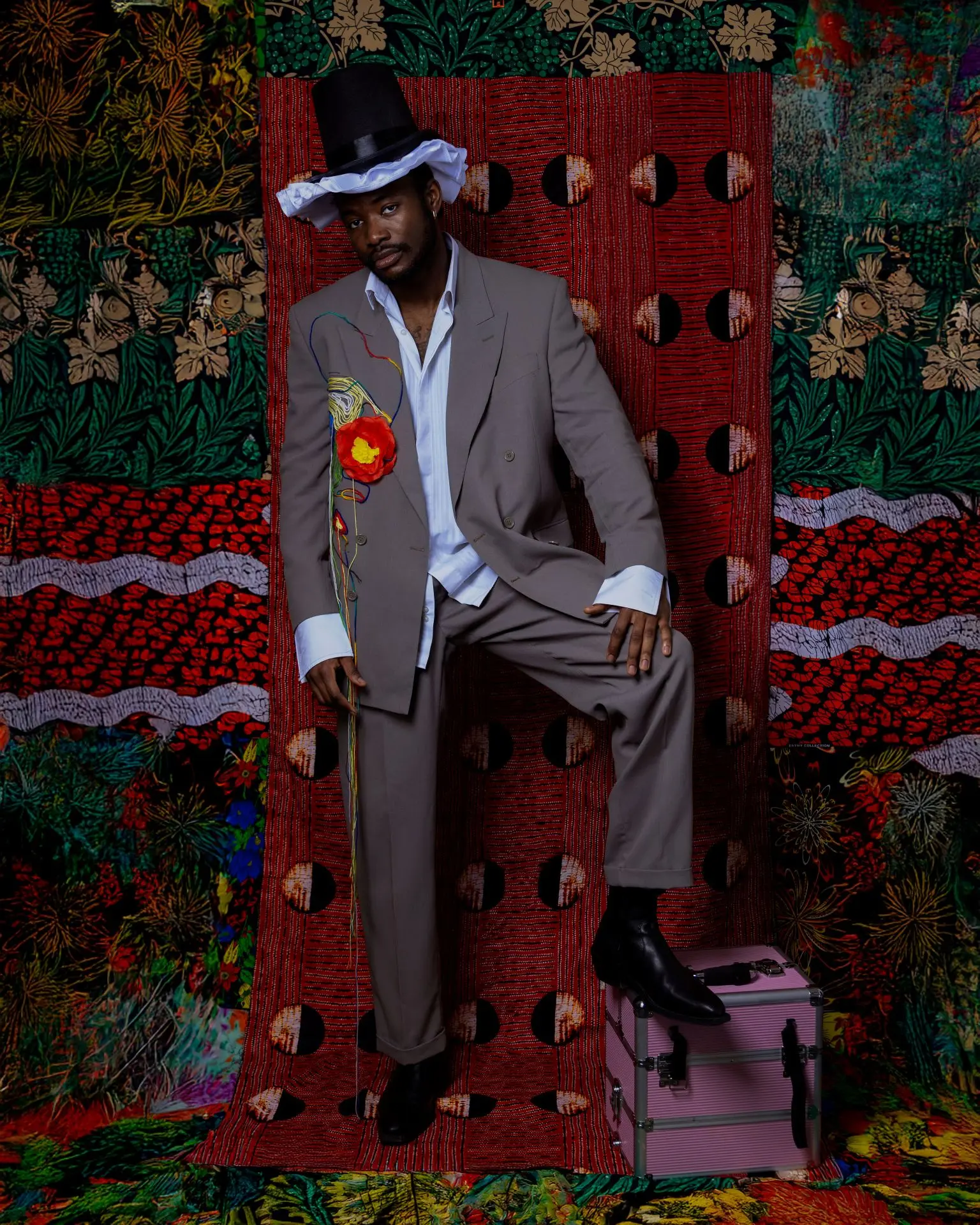
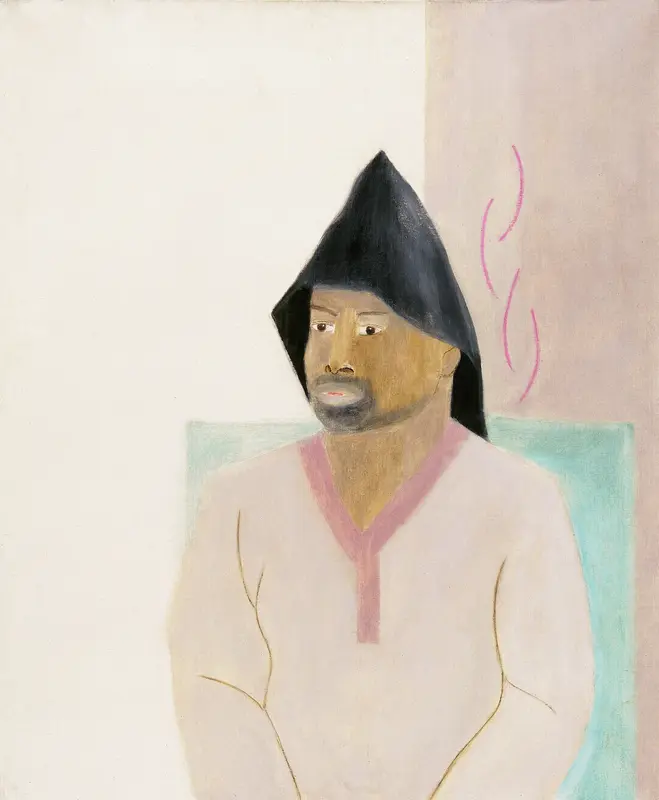
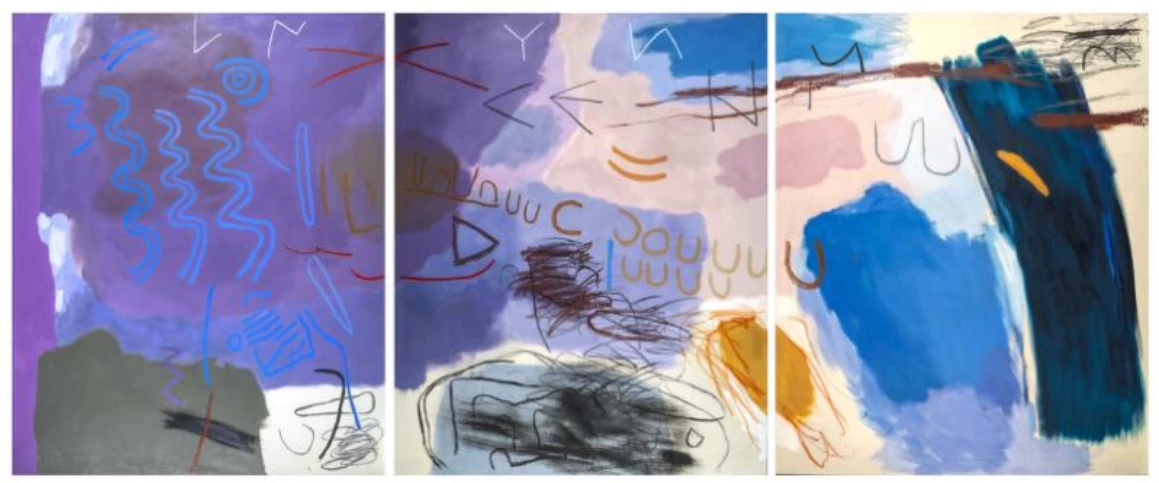
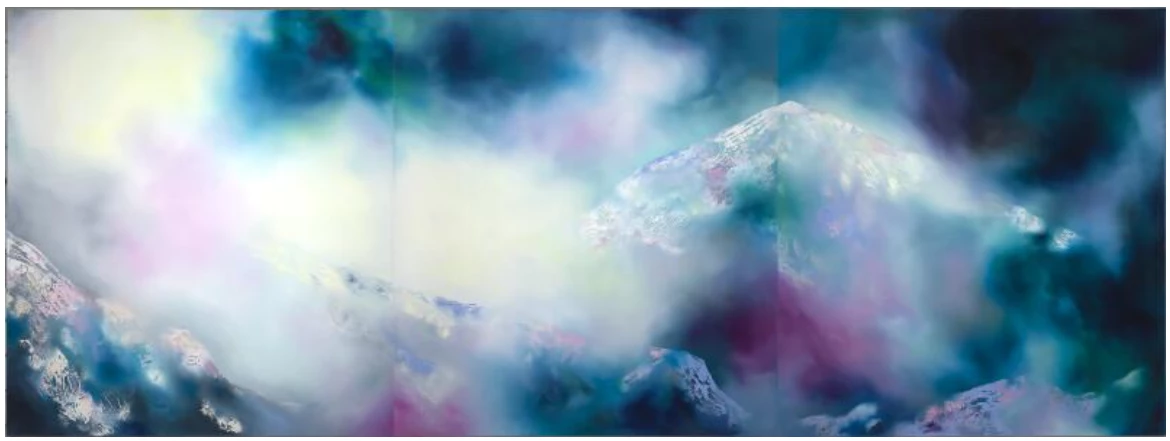
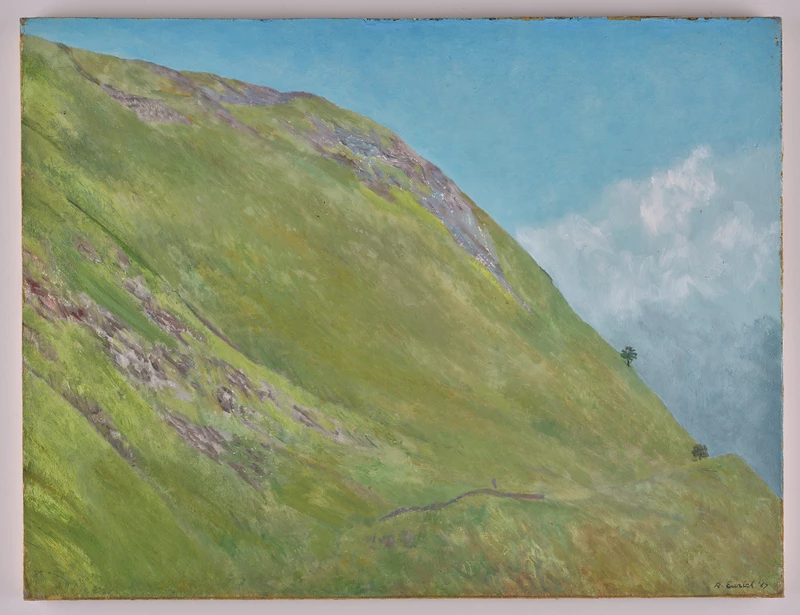
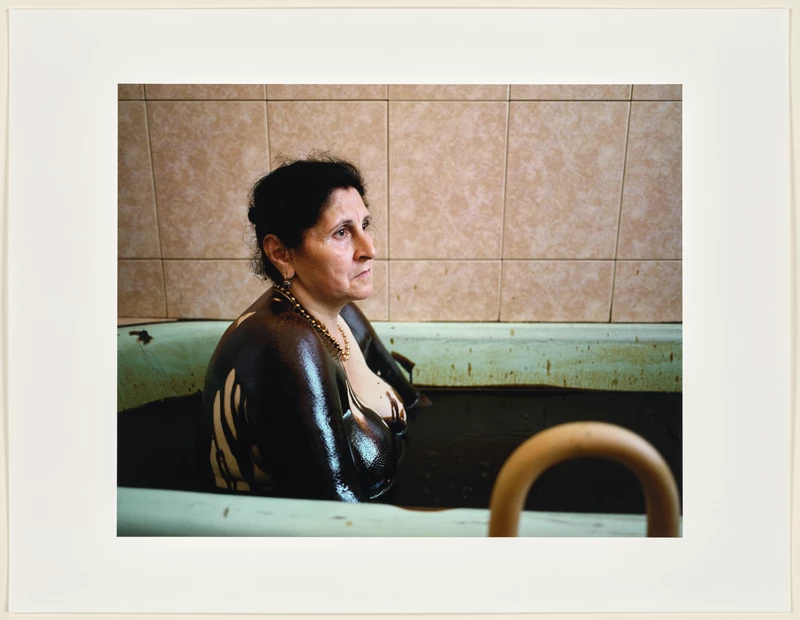
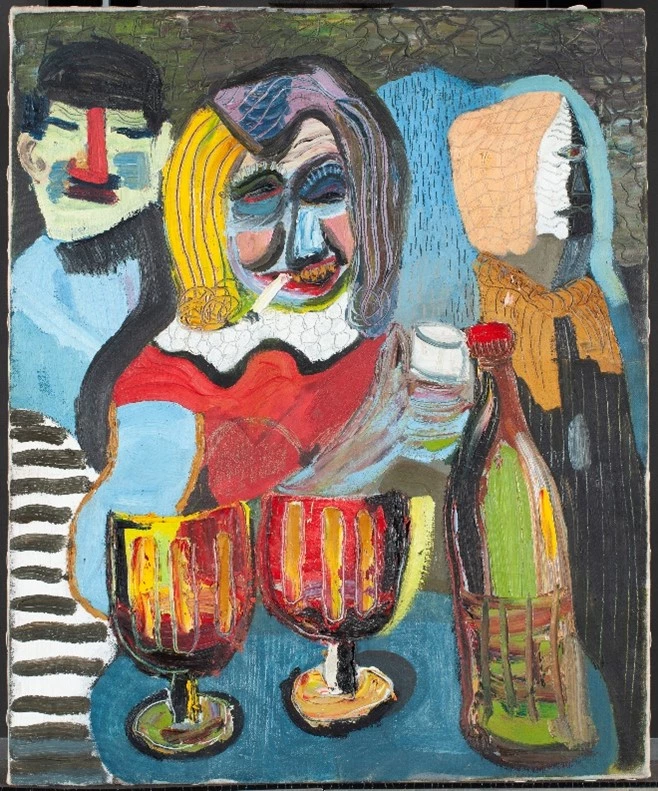
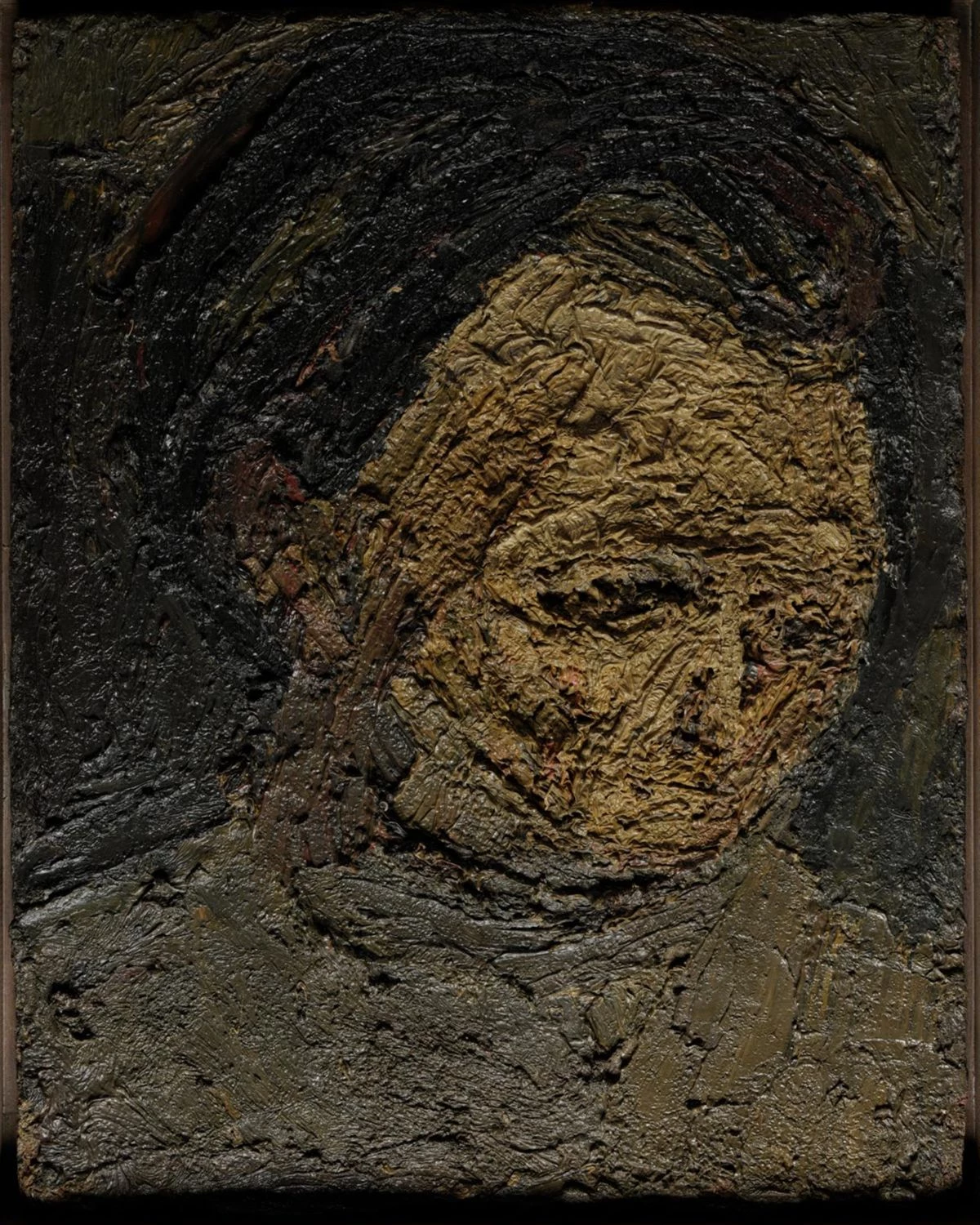
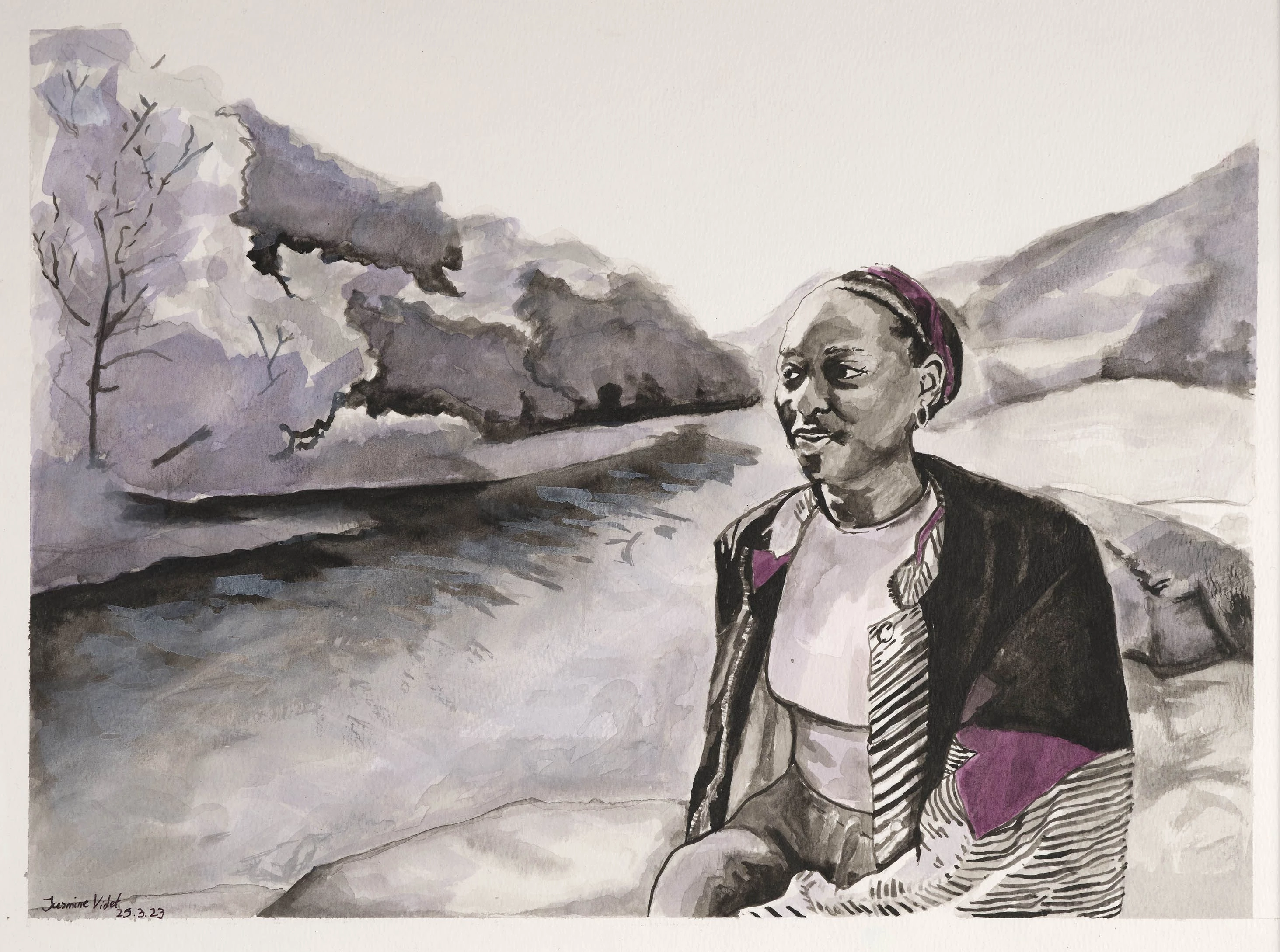
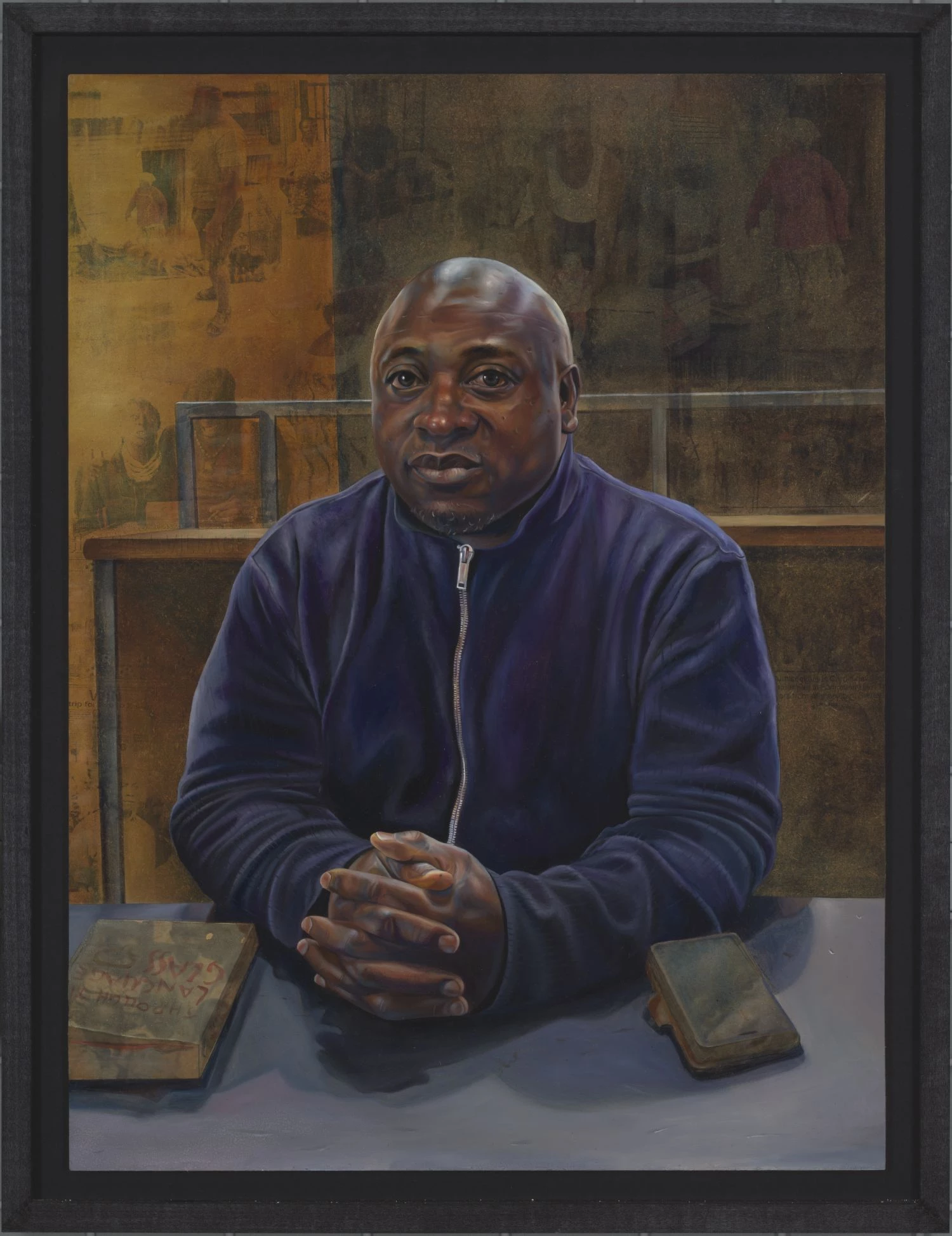
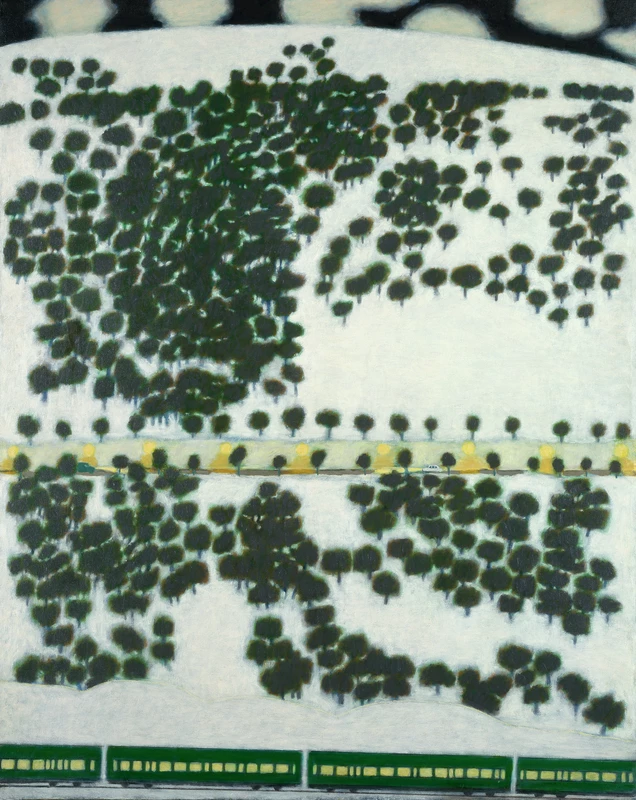
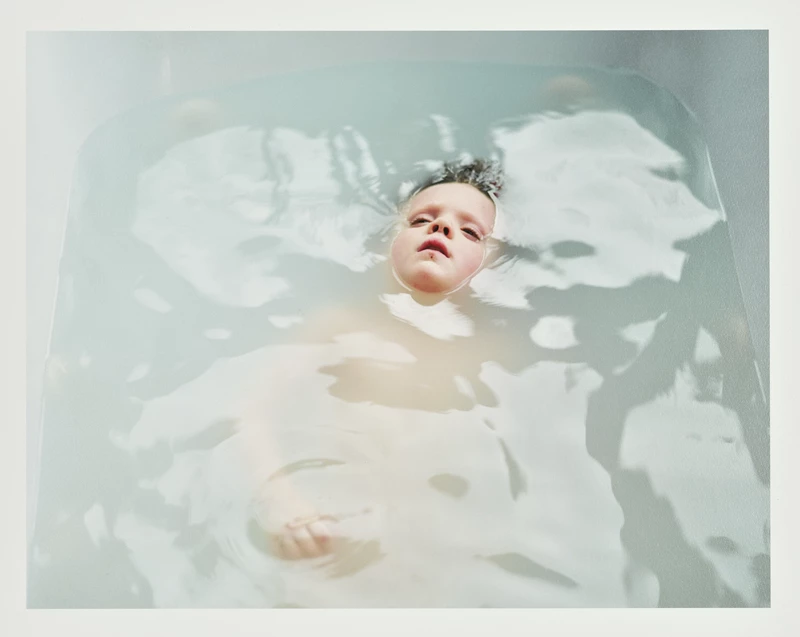
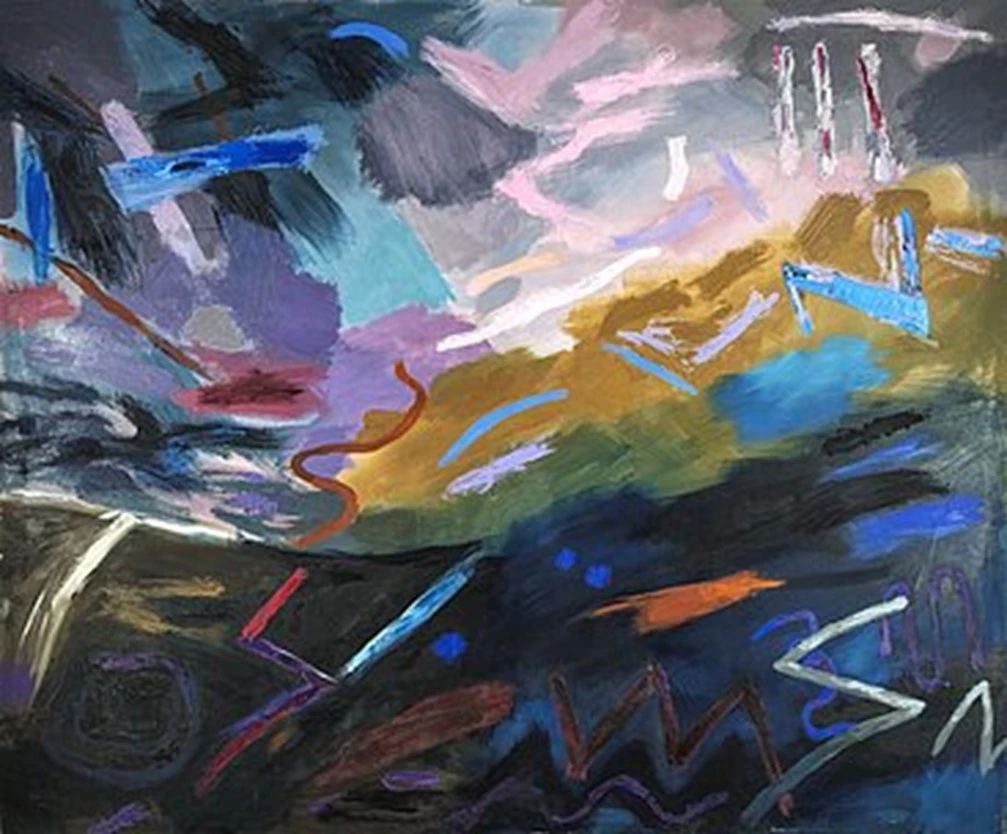
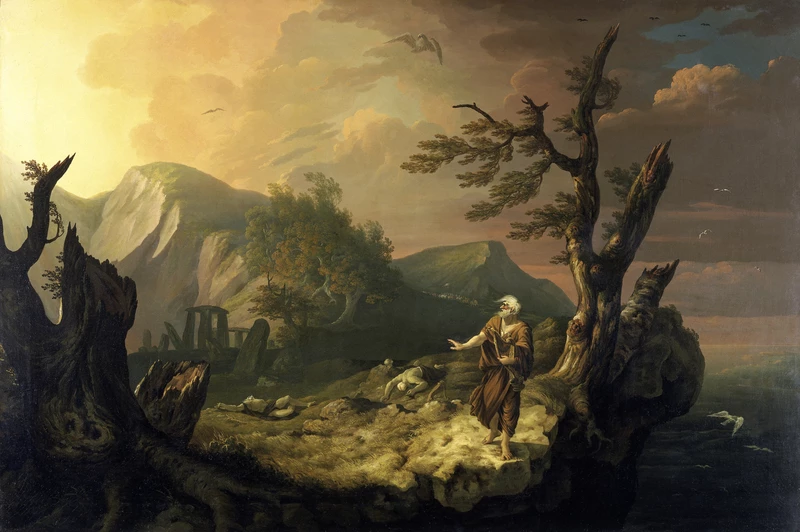
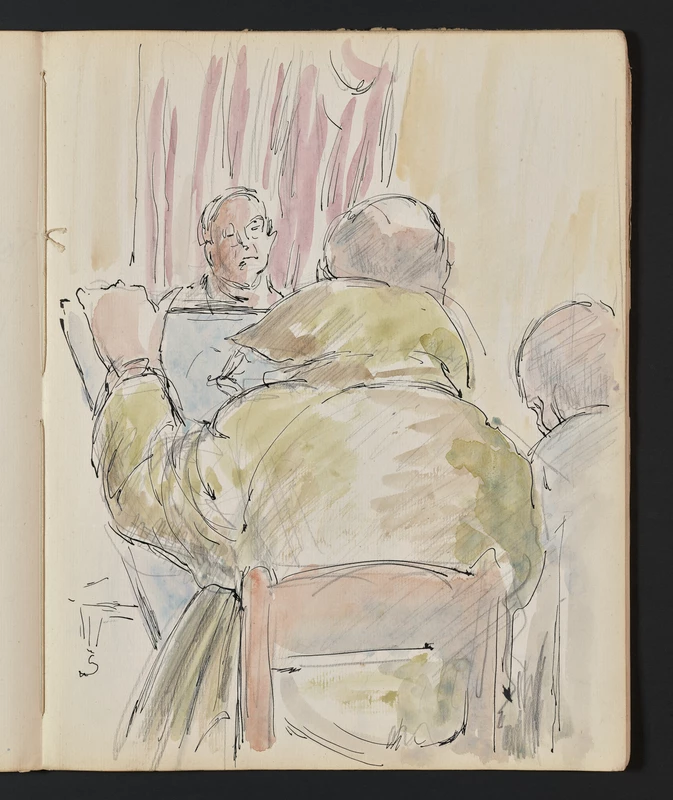
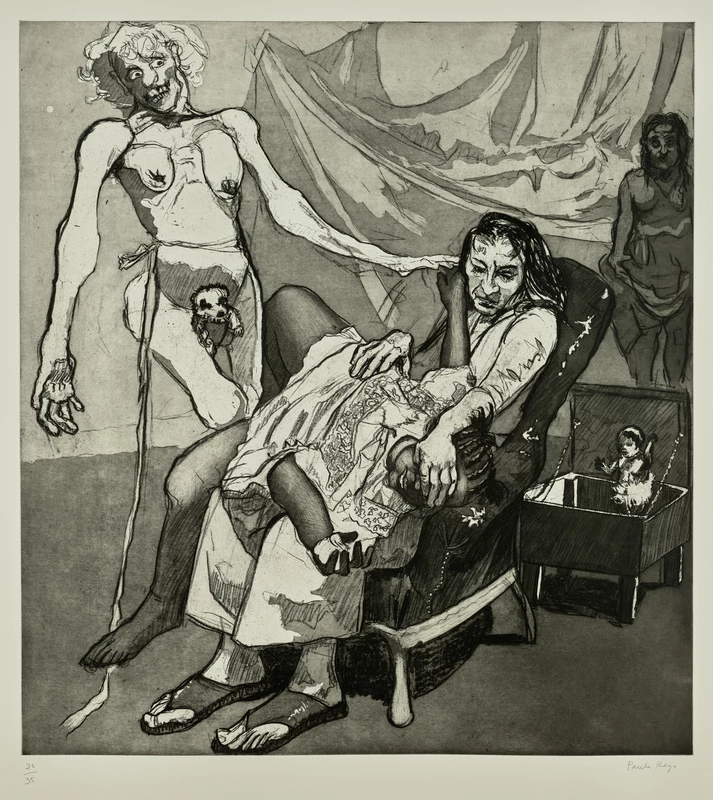
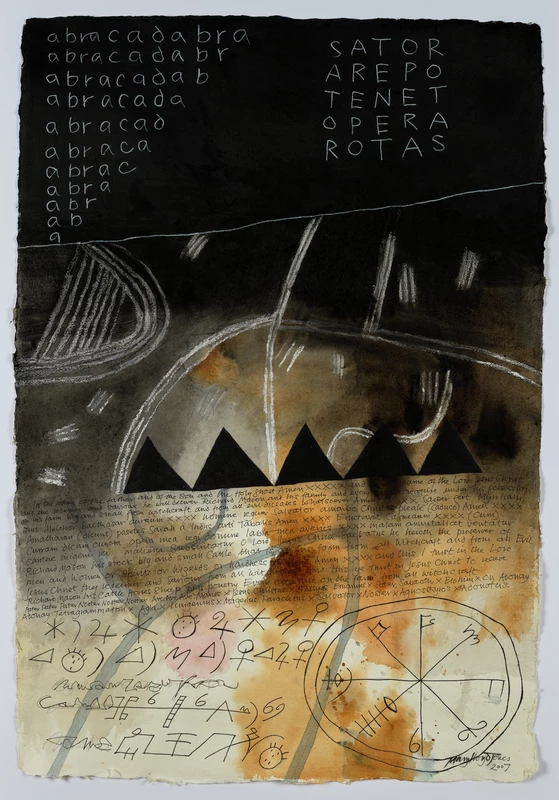
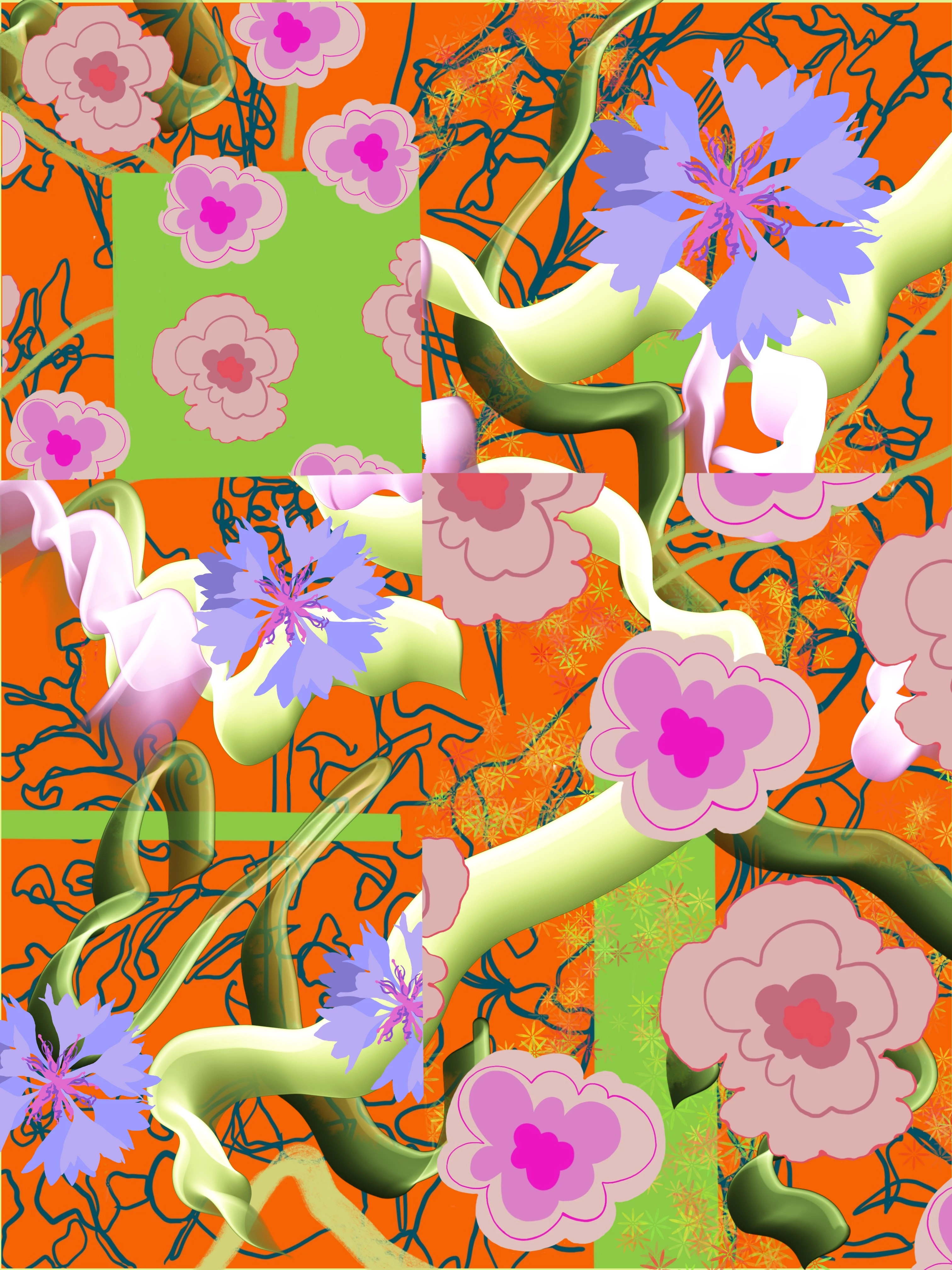
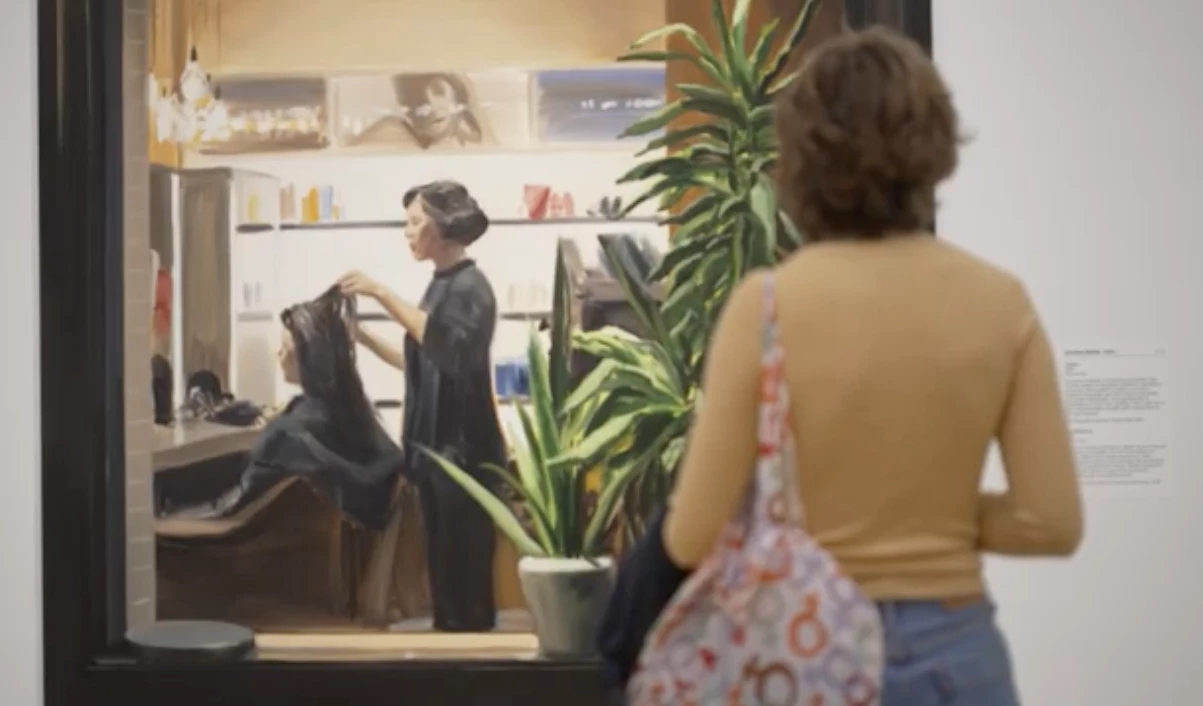
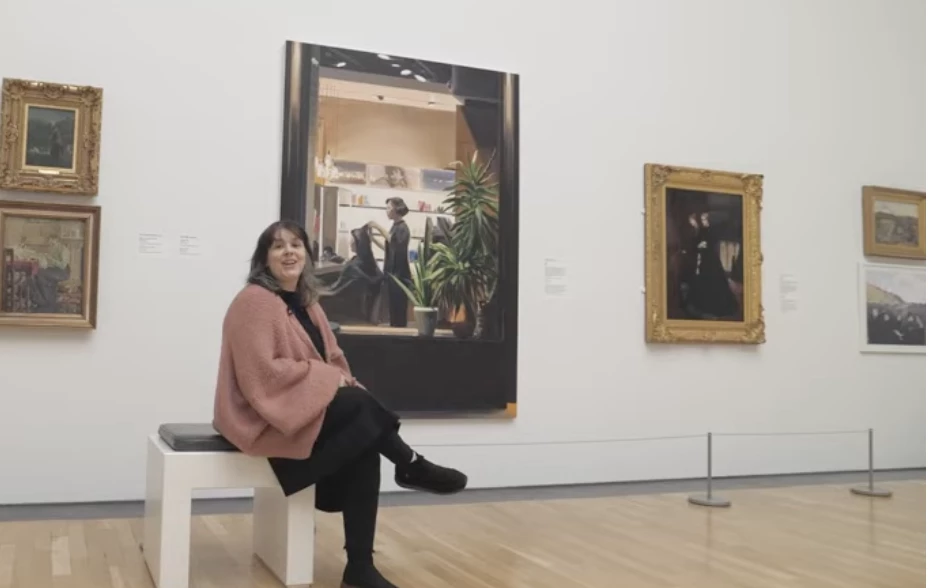
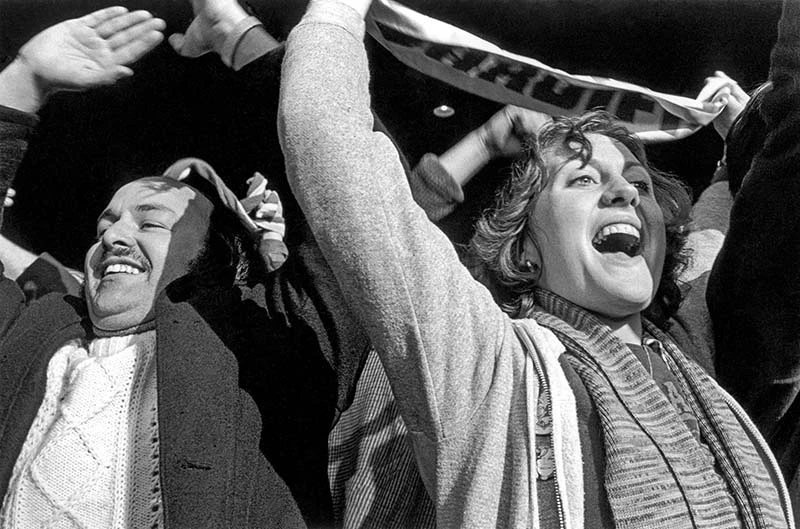
Two artist whose work really spoke to me were Eugene Carriere and Sawangwongse Yawnghwe, I knew straight away how their unique style could inspire my next painting. Carriere’s out of focus, almost ghost like figurative paintings were just beautiful, and Yawnnghwe’s stylised photorealistic paintings, clashing with harsh graphics shapes really got me thinking.
The Process
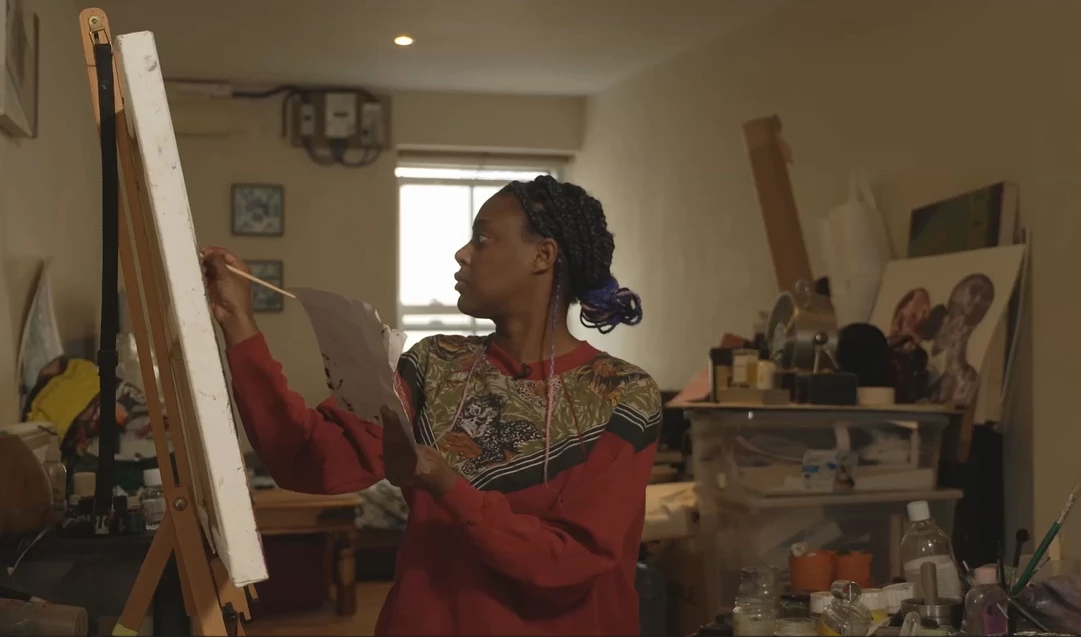
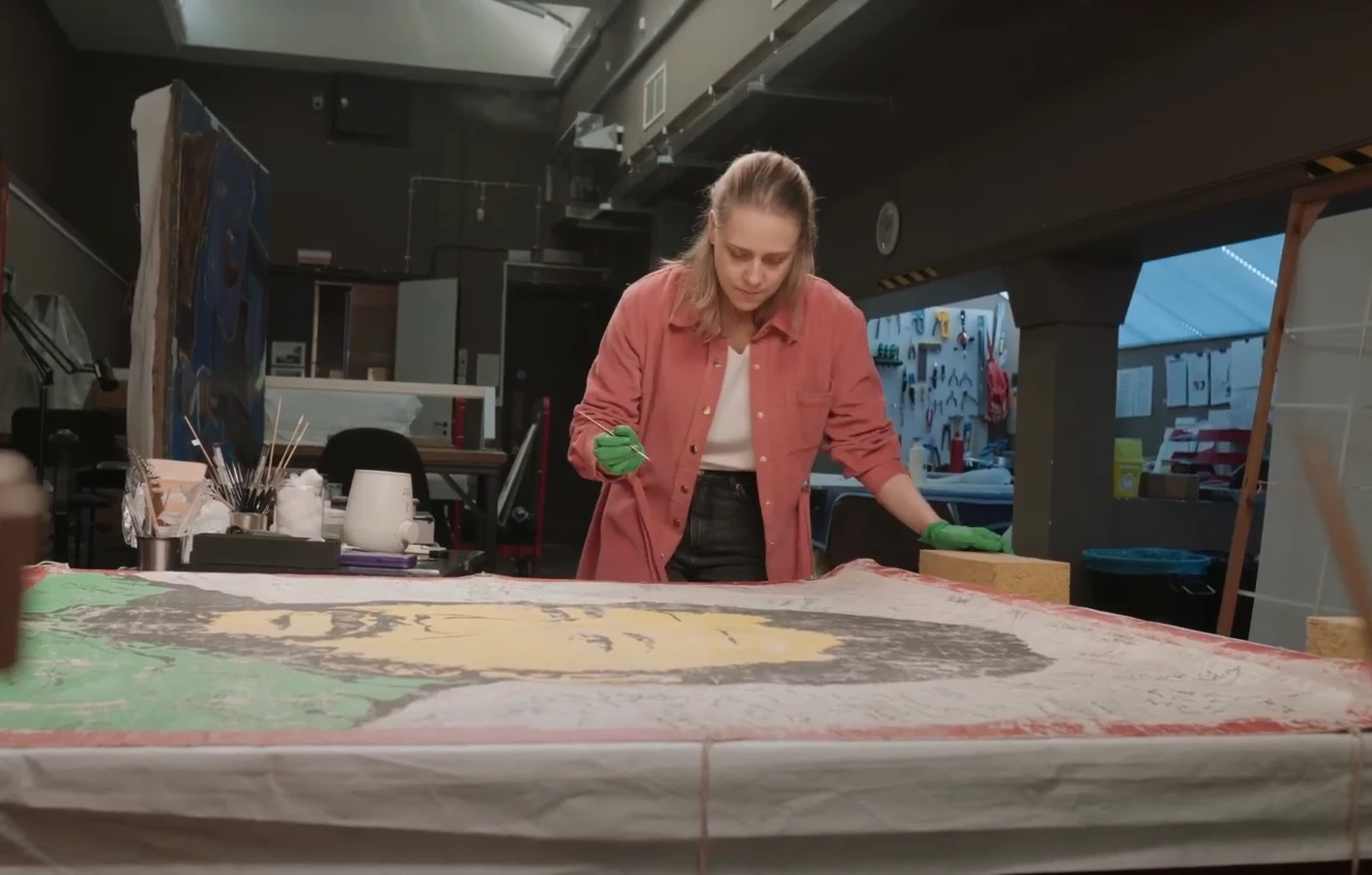
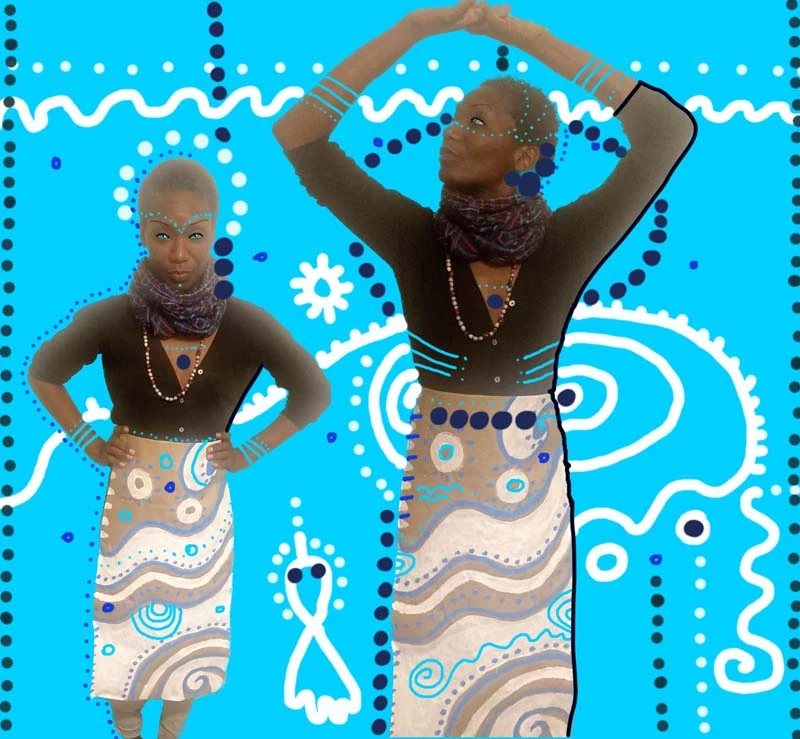
I generally work from photographs and manipulate them digitally to create my compositions and determine my colour palette. By designing this way, I create an early view of how the final painting will come to life. This is always an ongoing process where I finesse and evolve the design before I’m ready to put paint to canvas.
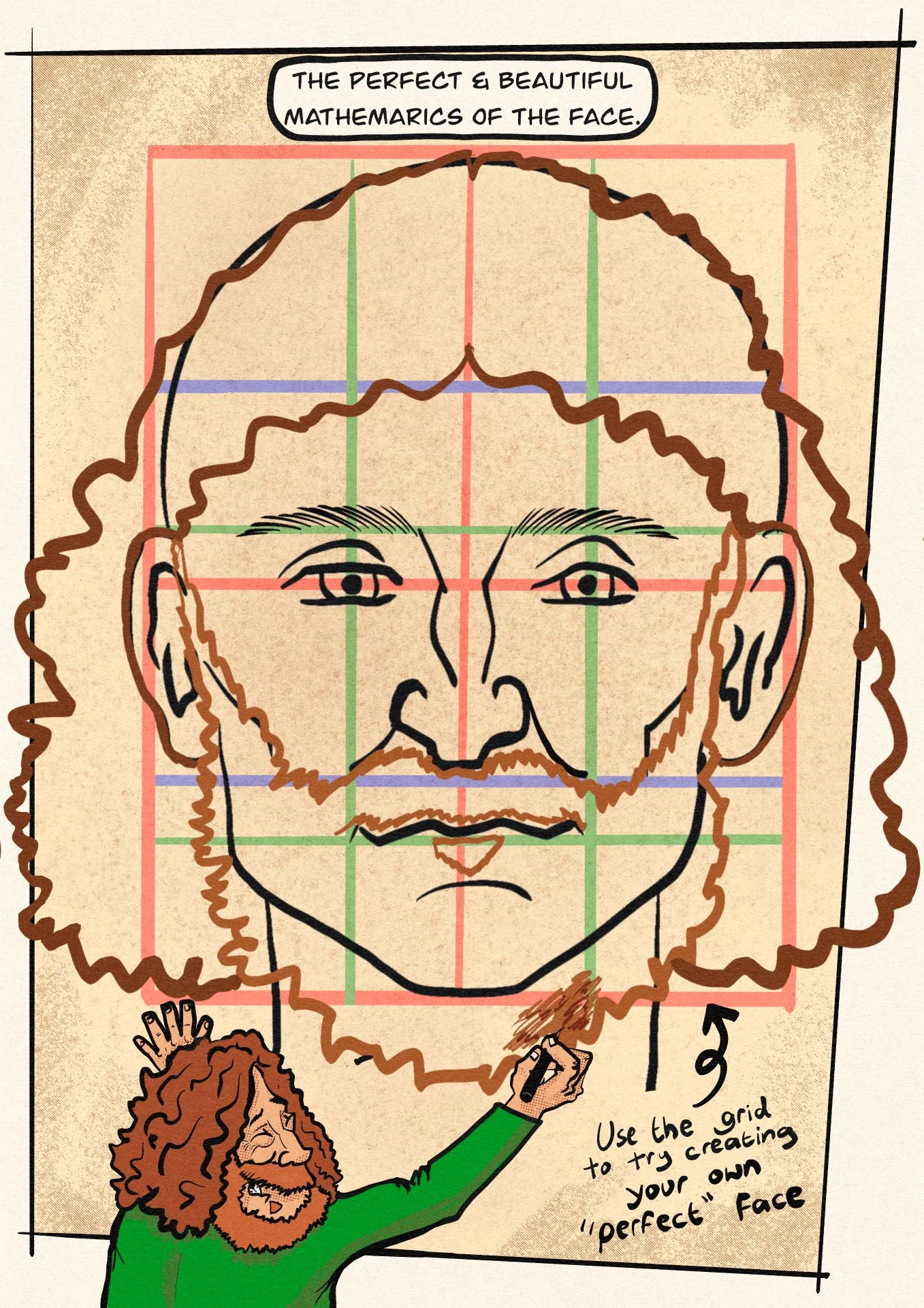
From there, the first stage is transferring a line drawing to to blank canvas, I do this using a grid technique. This method helps me maintain the correct proportions by focusing on, and copying, one section at a time. Once the design is sketched up, then its time to bring out the spray cans.
Working with aerosol paint on canvas takes time to master due to the restrictiveness of the smaller surface area. Over the years I’ve experimented with various techniques to manipulate how the paint is applied, always working to get more detail into the final piece.
I generally don’t use stencils but have started to experiment recently, and for the graphic section of this painting the stencil technique worked so well that it’s now something I’d like to bring into more of my future work.
The journey I’ve taken throughout this commission has at times, taken me out of my creative comfort zone, but ultimately has pushed the boundaries of my usual approach and helped me take the leap into a new realm of my style.
Feeling inspired? What can you find in the national collection that might be the jumping off point you need to try something new?