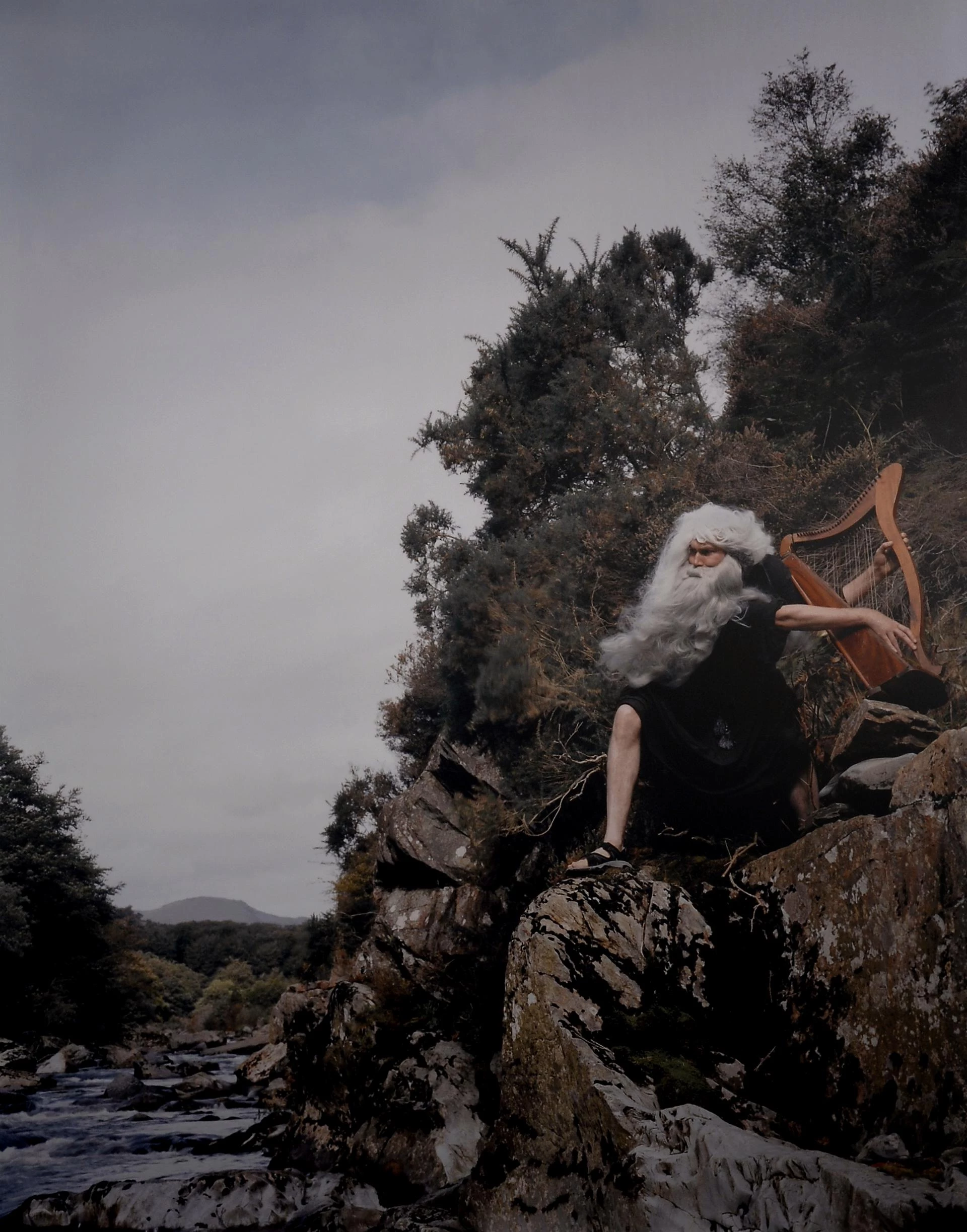
Photojournalist Philip Jones Griffiths is best known for his uncompromising images of the Vietnam War, Vietnam Inc.. His close focus and detailed treatment revealed the true impact of the conflict on the Vietnamese people.
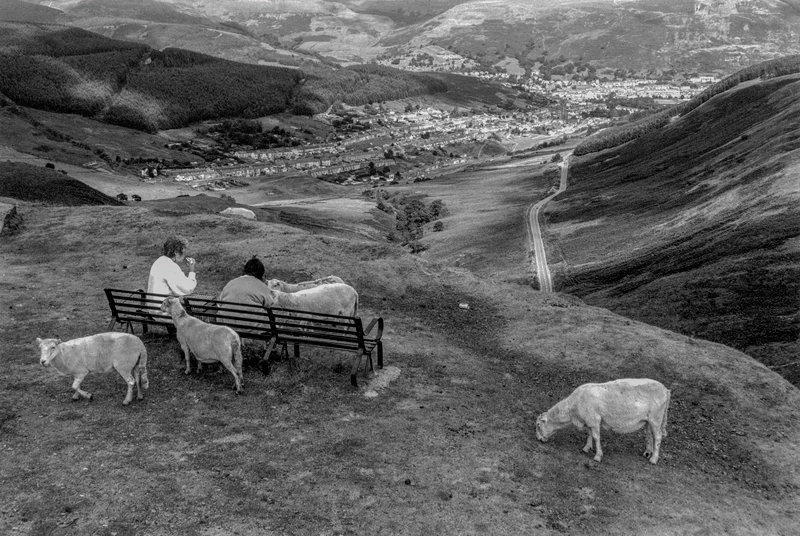
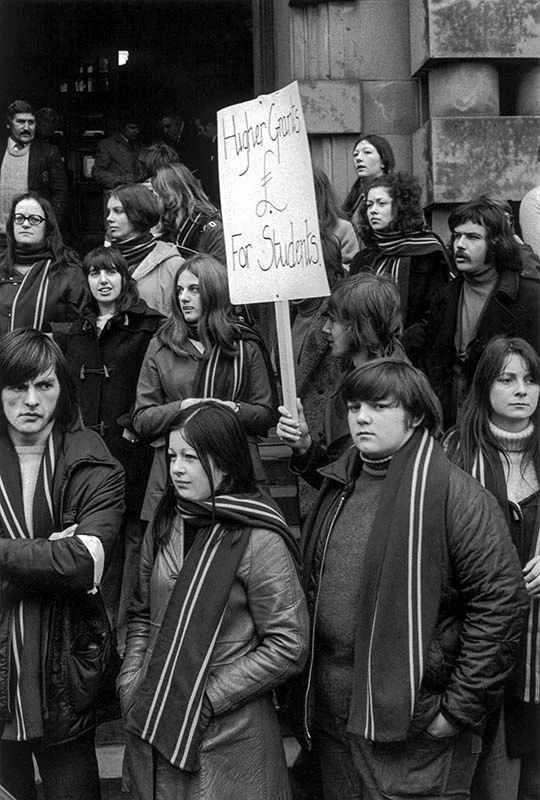
Born to a Welsh-speaking family in Rhuddlan, Denbighshire, Griffiths held pacifist view from a young age. He initially studied pharmacy in Liverpool before moving to London, working as night manager at the Piccadilly branch of Boots. As well as processing customers’ films, he took photographs on a part-time basis for the Manchester Guardian. Eventually becoming a full-time photographer in 1961, he initially did freelance work for the Observer and other publications.

Early assignments took him to Northern Ireland, Algeria in 1962, and then Cambodia. While in the capital, Phnom Penh, he managed to get a photograph of Jackie Kennedy on holiday, which funded the project that would follow in Vietnam. Between 1966 and 1971, he captured the devastating effects of war – his wrenching photographs are a sobering study of a country and culture under attack.
Over the following years, Griffiths covered the Yom Kippur War in 1973 and worked in Cambodia until 1975, followed by a period in Thailand. During his long career, his work took him to more than 120 countries, and in later life he lived in the United States, serving as president of Magnum photographic cooperative in New York from 1980 to 1985.
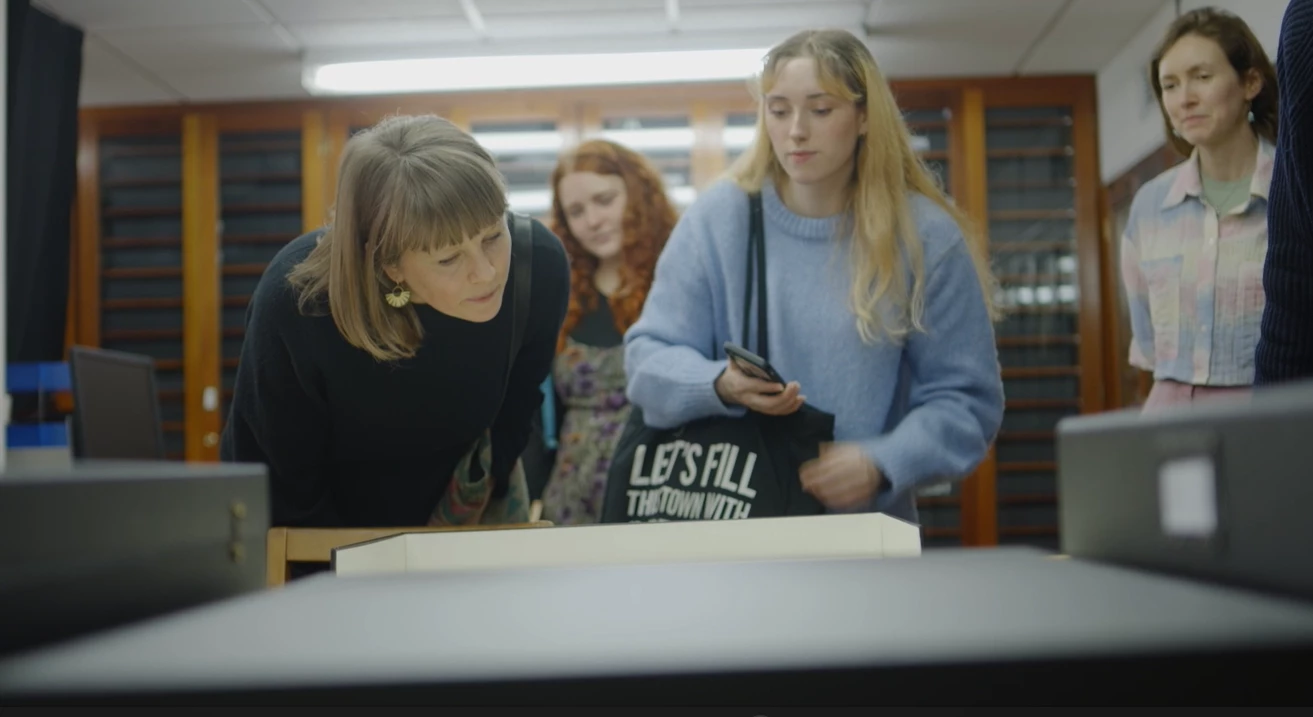
Since 2015, the Philip Jones Griffiths archive, comprising 150,000 slides and 30,000 prints, has been held at the National Library of Wales in Aberystwyth.
Mari Griffith is an art historian who has worked in the field of museums and galleries for 30 years, developing and overseeing learning and interpretation provision for public art collections and exhibitions, including at the National Gallery, National Gallery of Art and Royal Academy of Arts. Following a period working internationally on art and heritage interpretation, she is now a freelance writer, editor and translator – focusing mostly on art.