Materials List
● A canvas, canvas board, or thick paper suitable for acrylic paint
● A set of brushes in a variety of sizes (large to small)
● A rag or cloth to dry your brushes
● A jug of water to wash your brushes
● Acrylic paints (suggested colours):
- o Prussian Blue or Phthalo Blue
o Vermilion Red
o Crimson o Lemon Yellow
o Yellow Ochre o Red Ochre
o Cobalt Blue o White
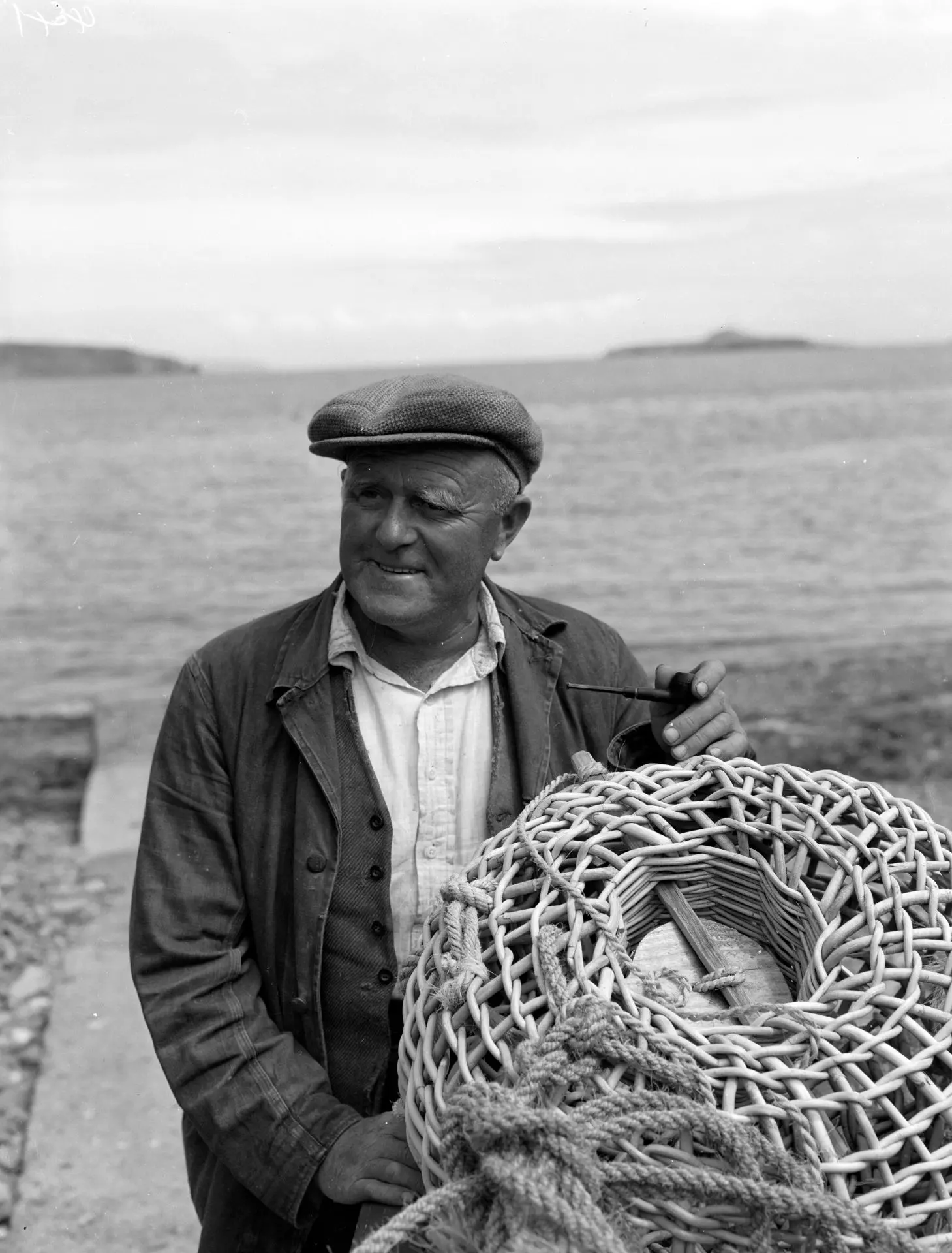
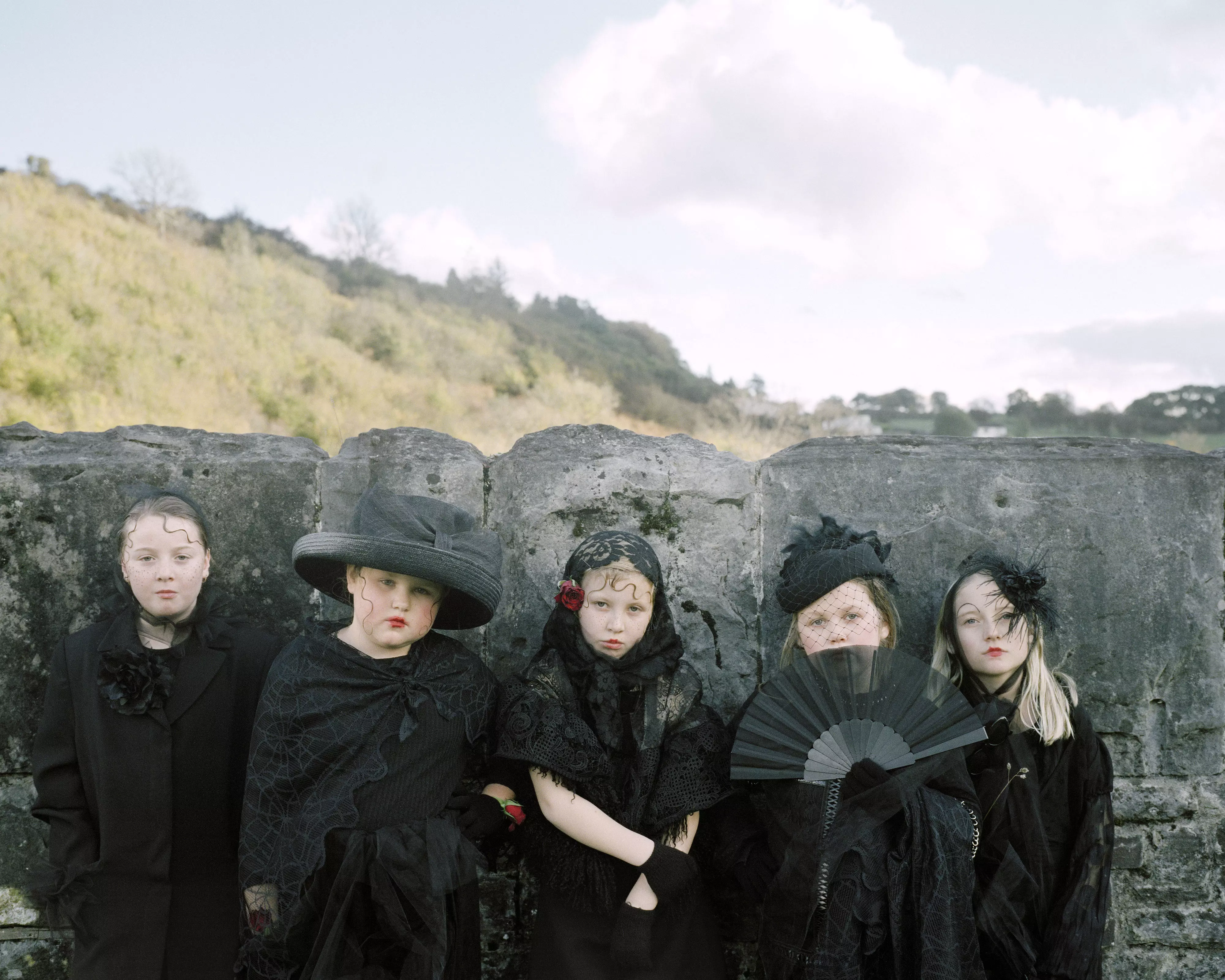
● An image to work from (photograph or printed reference)
Step-by-Step Instructions
1. Prepare Your Surface
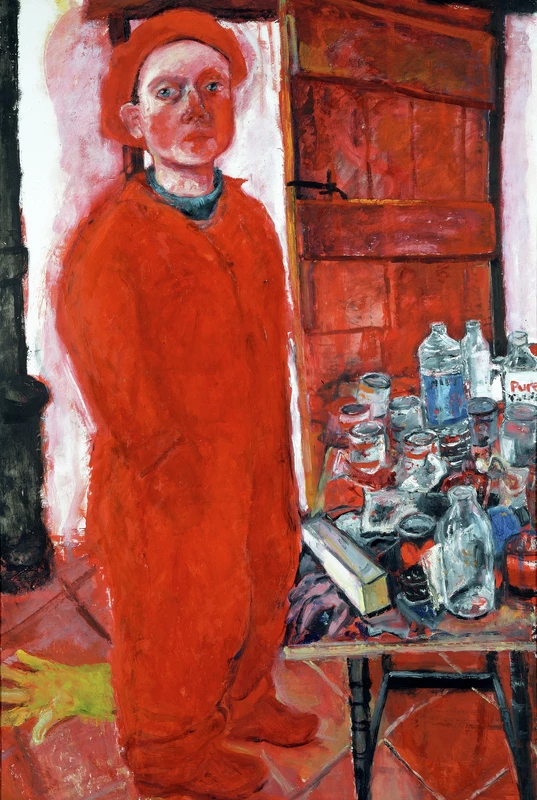
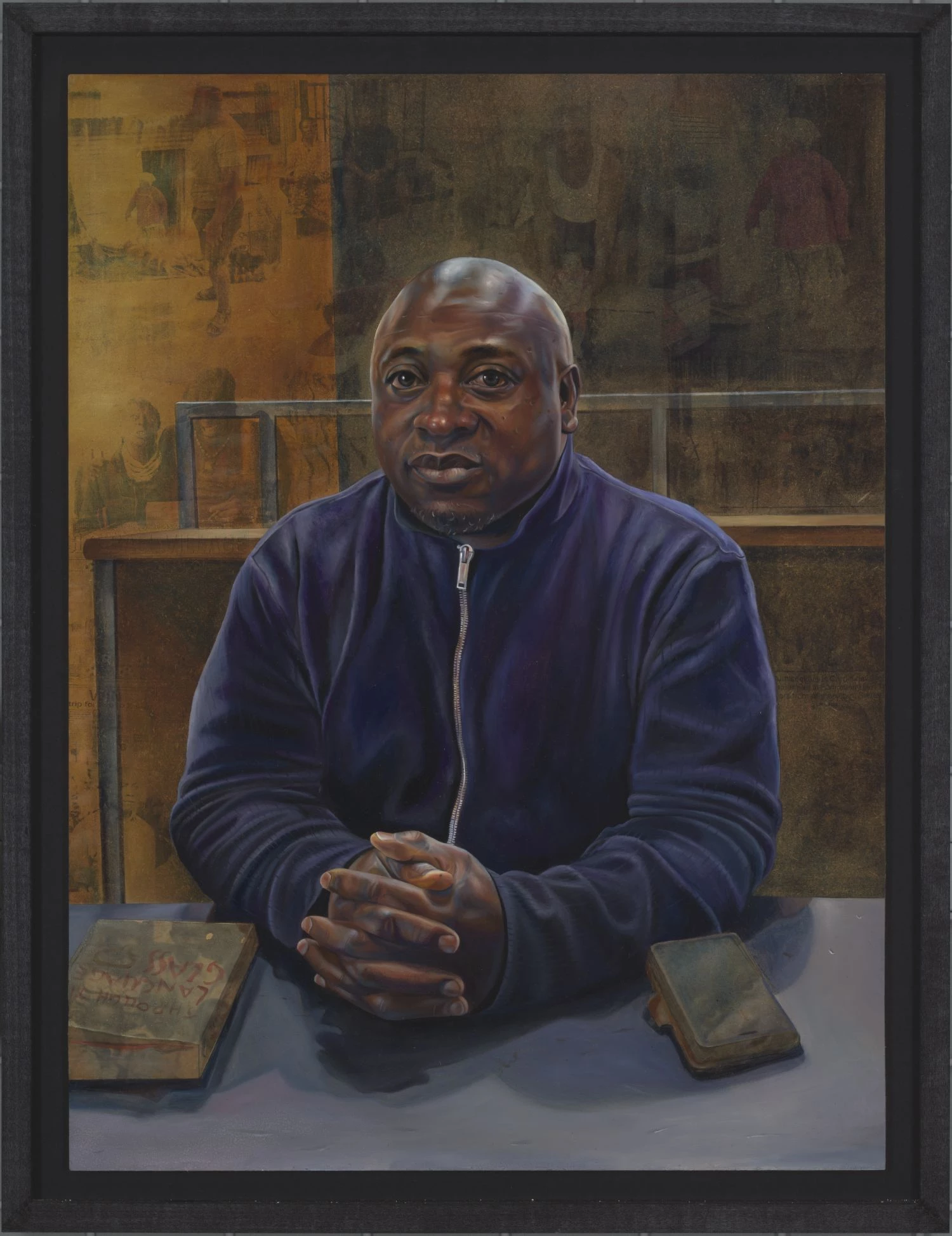
You may wish to prime your canvas with an undercolour first. A warm tone such as orange or red works beautifully to give life to the skin tones. If you prefer, you can also begin working directly onto a white surface.
2. Block in the Dark Areas
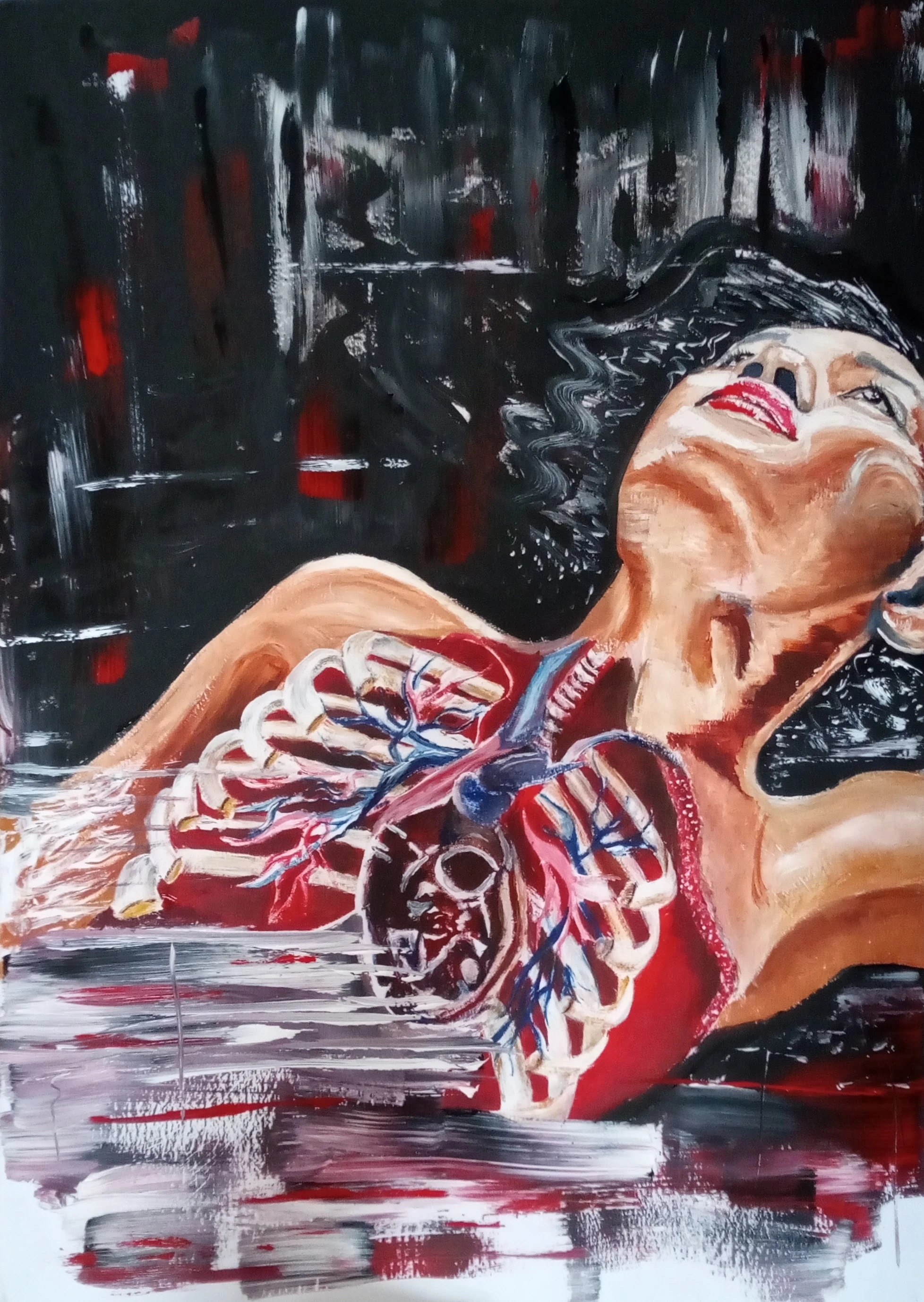
Take your largest brush. Squint your eyes slightly at your reference image so that the details blur and you see only the main shapes of light and dark. Using one of your darkest colours, block in all the dark areas you can see. This creates a strong foundation and gives structure to the portrait right from the start.
3. Add Mid Tones
Next, begin mixing mid tones and block these in the same way. At this stage, focus only on building areas of tone and colour to establish the structure of the face. You can follow the direction of the planes of the face with your brushstrokes to help form the features. Keep looking carefully at your reference image and adjust as needed.
4. Introduce Lighter Areas
Once your darks and mid tones are in place, begin adding lighter tones. Start working down through your brush sizes.
● Larger brushes = broader marks
● Smaller brushes = more detail
Remember, expressive portraits use a variety of marks, not just tiny detail work.
5. Observe Shapes, Not Symbols
We often assume we know what an eye or nose looks like. Instead of painting what you think you see:
• Focus on the shapes of light and dark
• Notice the spaces between features
• Break everything down into abstract shapes
This approach will give you a much more accurate and expressive portrait.
6. Refine and Add Detail
When you’re happy with the placement of your tones and marks, take your smallest brush to:
• Add fine details
• Strengthen features
• Apply highlights
Keep stepping back from your painting regularly to see how it is developing.
Final Tips
• Be playful with colour.
• Study how the light falls across the face.
• Spend more time looking than painting. • Take breaks and step back often.
• The more you practise, the more confident and expressive your portraits will become.
Most importantly — enjoy the process! 🎨