American artist James Turrell works with light, creating works that invite us to question and expand our experience of perception.
Born in Los Angeles, Turrell first studied for a B.A. in Psychology at Pomona College, graduating in 1965 and immediately began graduate studies in Art at the University of California. In 1973 he gained an M.A. in Art from Claremont Graduate School.

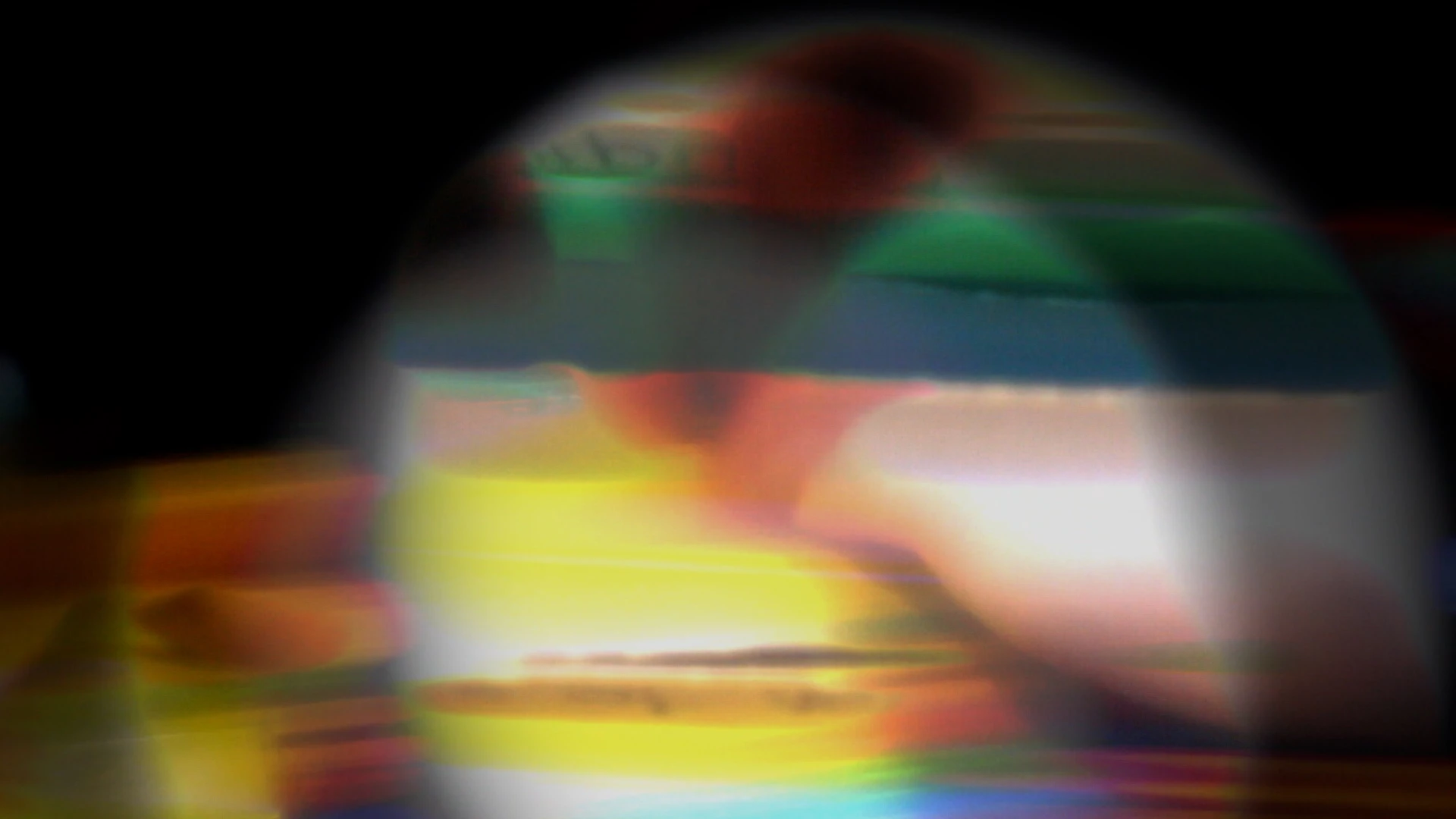
Turrell began experimenting with light as a medium in the 1960s, combining different permutation of light, colour and space. He exhibited his early light-based works at the Pasadena Museum of Art in 1967. One of his early light projections dating from 1968 Raethro, Pink is in Amgueddfa Cymru - Museum Wales’s collection.
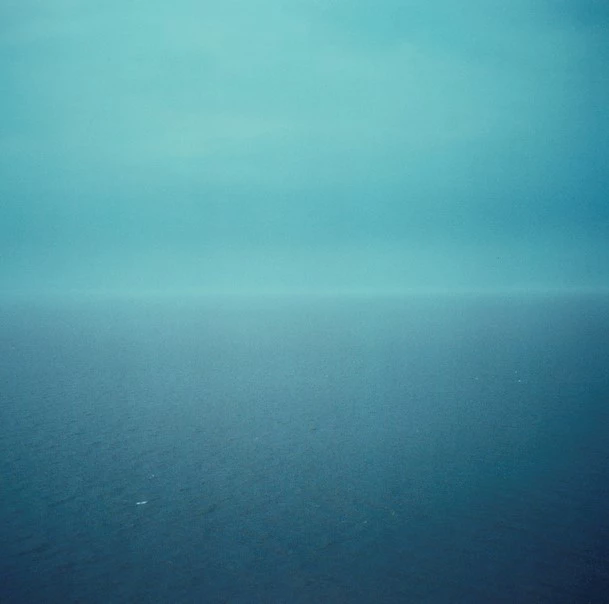
Over the course of his career, Turrell has made over eighty Skyscapes. These sensory works take the form of rooms or chambers with a single opening overhead which provides a glimpse of the sky. According to the artist, these spaces refer to the Greek philosopher Plato’s Allegory of the Cave, which he often cites. In it, Plato proves the subjective nature of perception by describing how people stuck in a cave can experience the world only through shadows on the rocks, and that this is their experience of the world. This idea is fundamental to Turrell’s work.
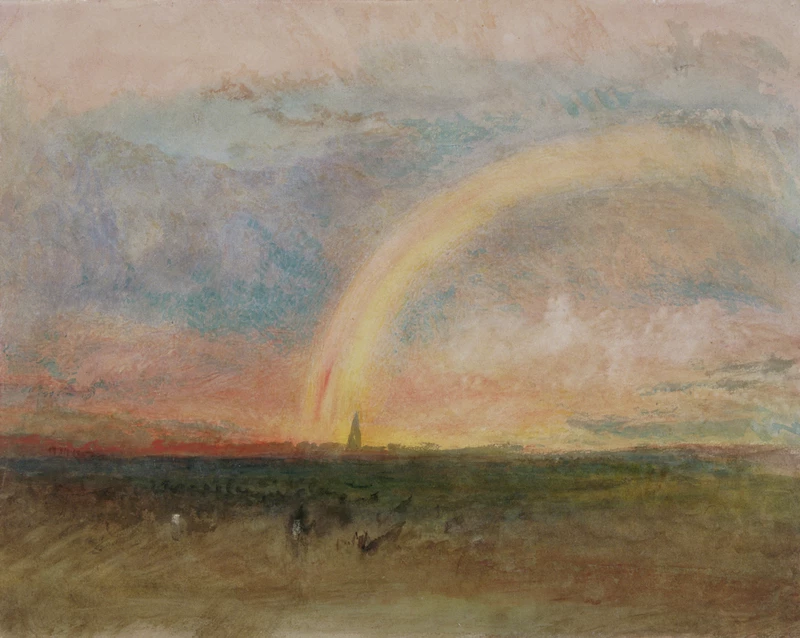
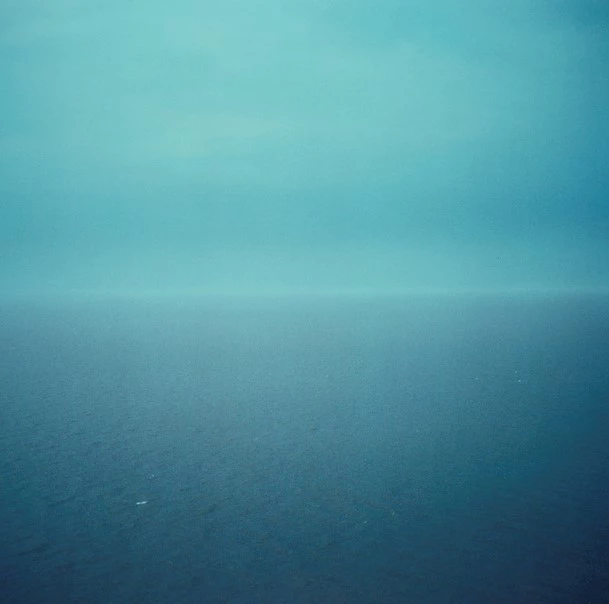
Turrell is also a keen pilot and has gained inspiration from witnessing and studying the sky’s endless tones and colours, which he regards as a kind of canvas.
He works from his studio in Santa Monica, California.
Mari Griffith is an art historian who has worked in the field of museums and galleries for 30 years, developing and overseeing learning and interpretation provision for public art collections and exhibitions, including at the National Gallery, National Gallery of Art and Royal Academy of Arts. Following a period working internationally on art and heritage interpretation, she is now a freelance writer, editor and translator – focusing mostly on art.