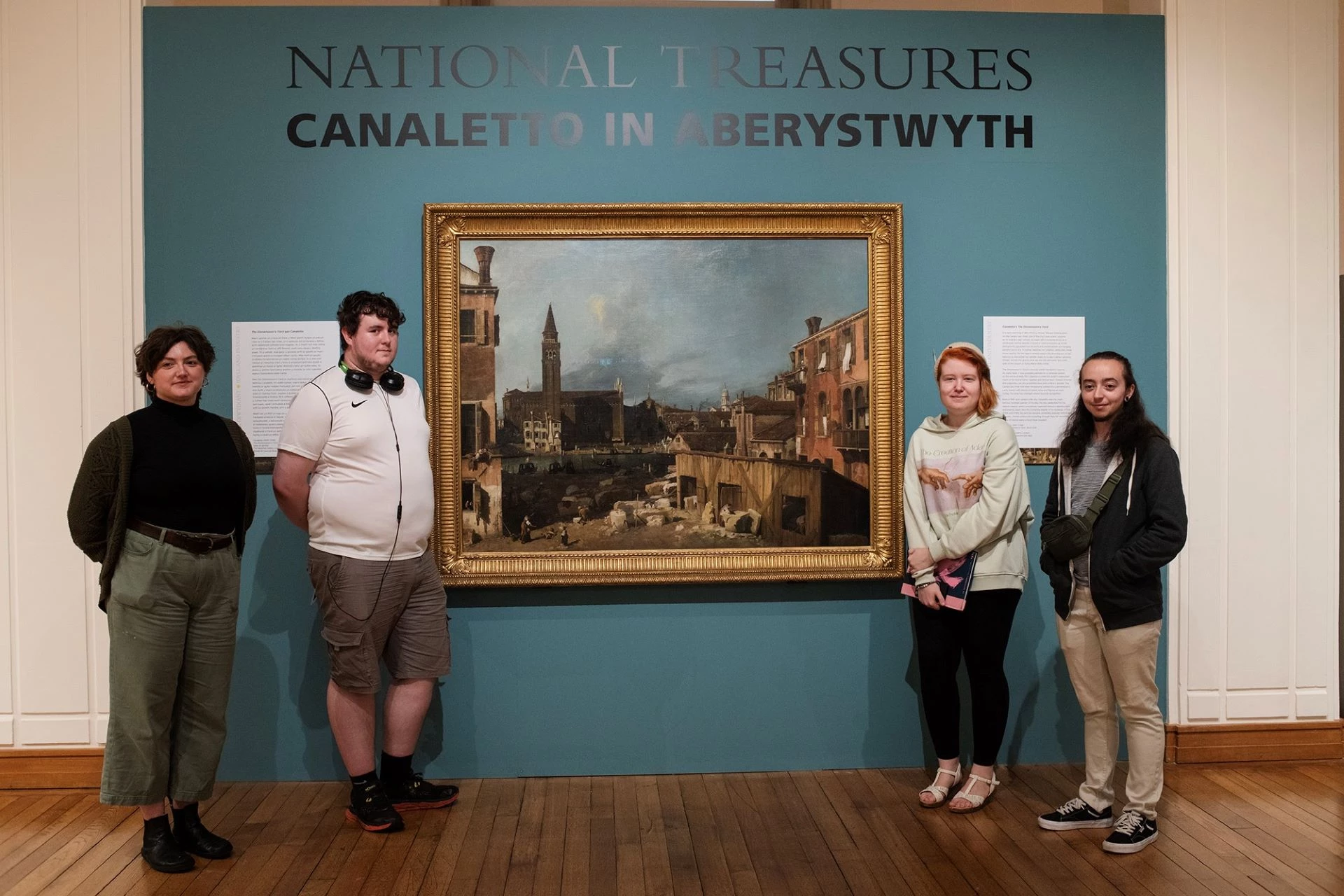
A collaboration between CELF: national contemporary art gallery for Wales, Oriel Myrddin and pupils from Maes y Gwendraeth Comprehensive School – led by artist Angharad Pearce Jones and OM Education Officer, Mary Sikkel
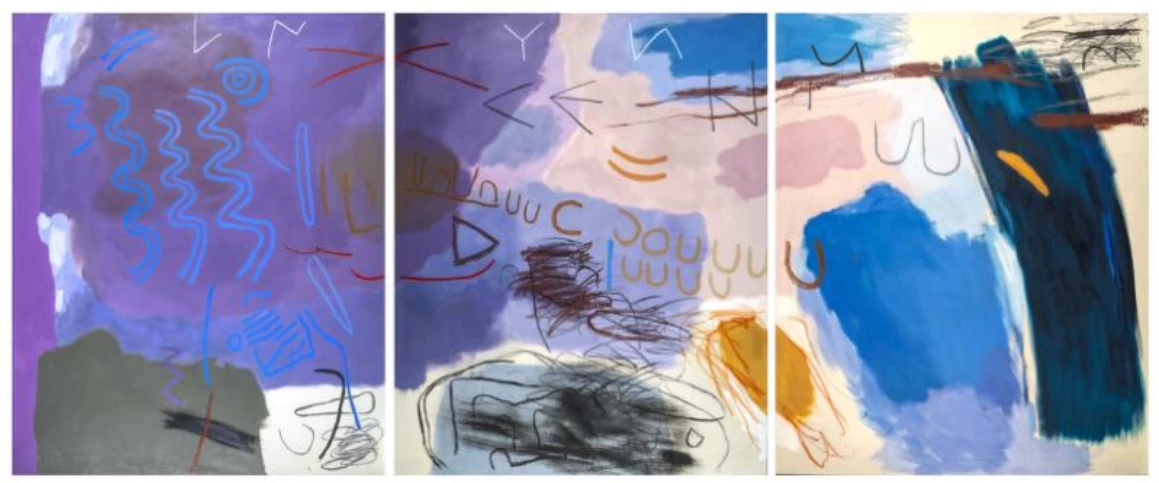
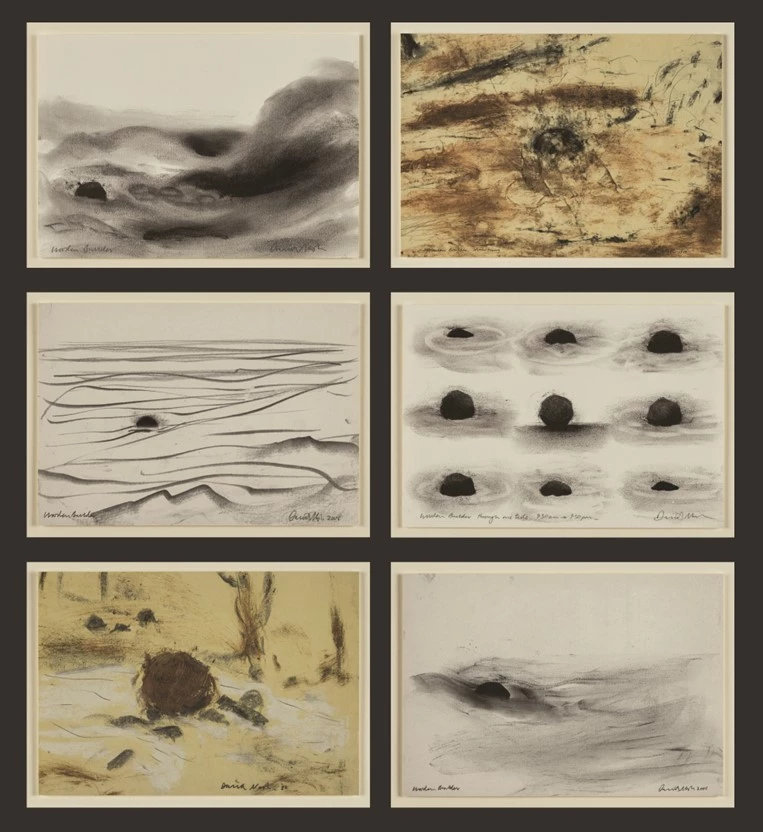
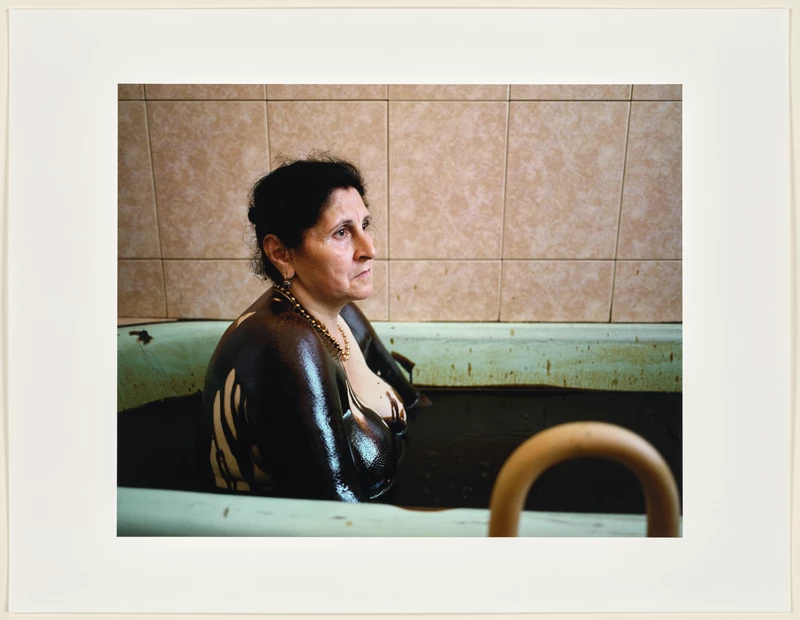
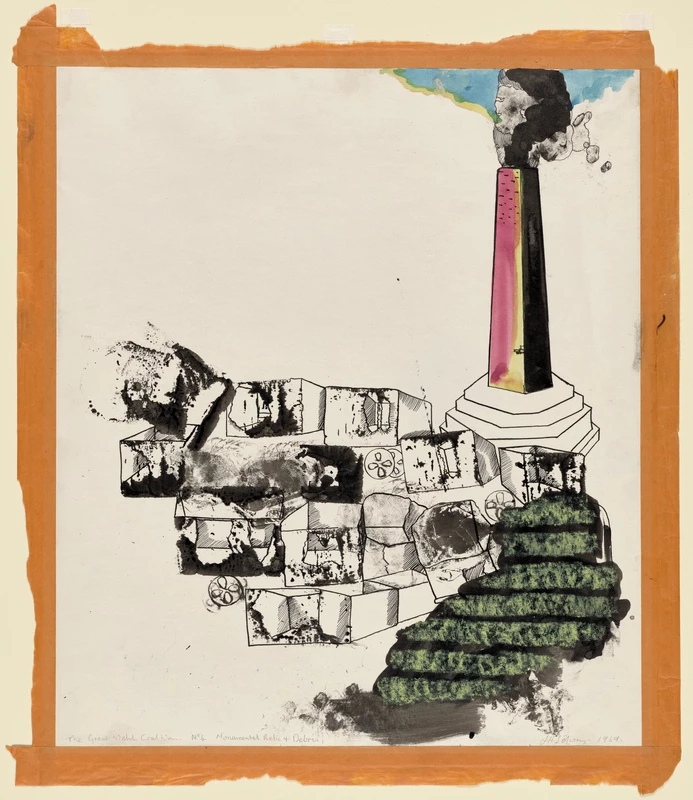
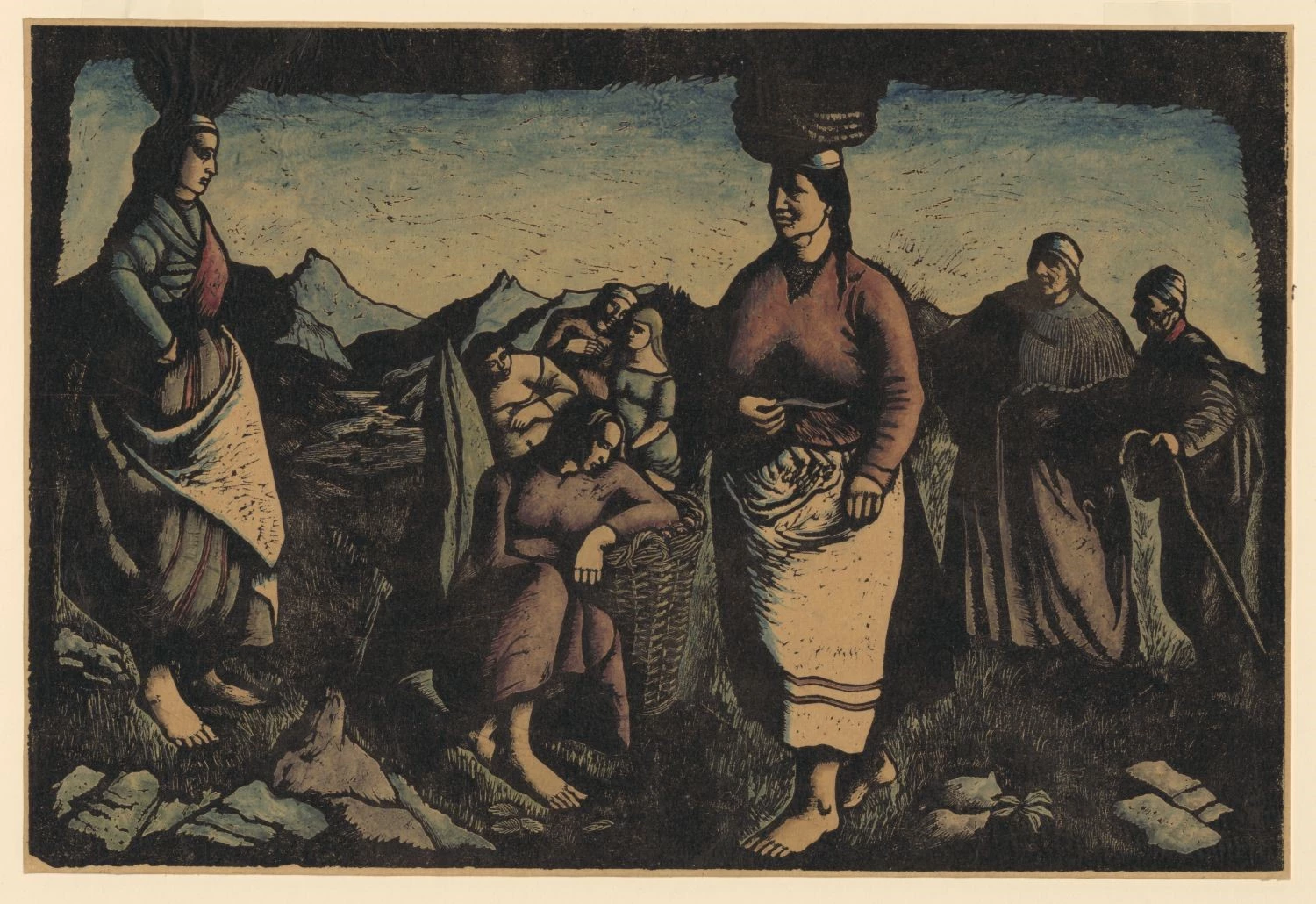
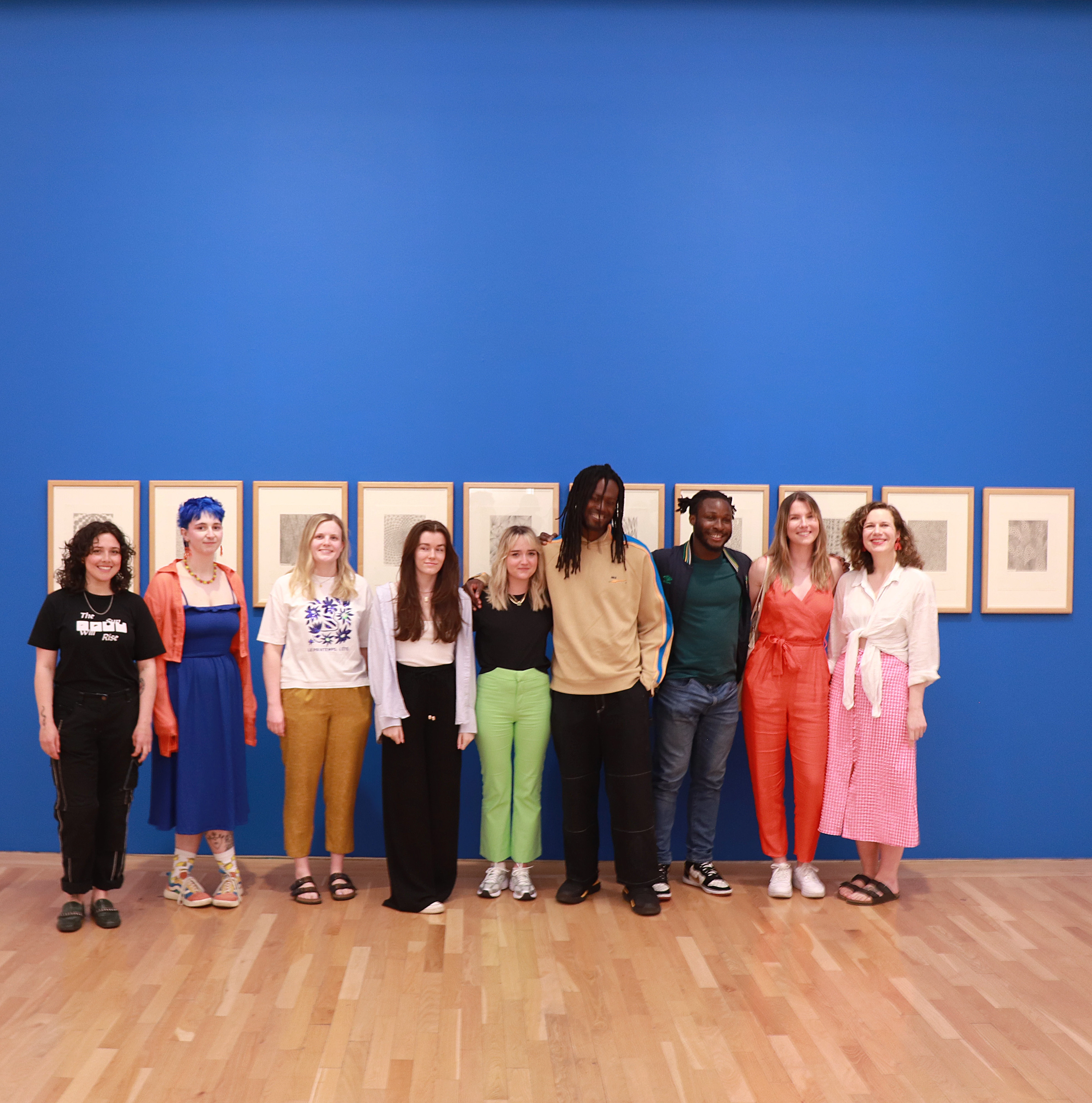
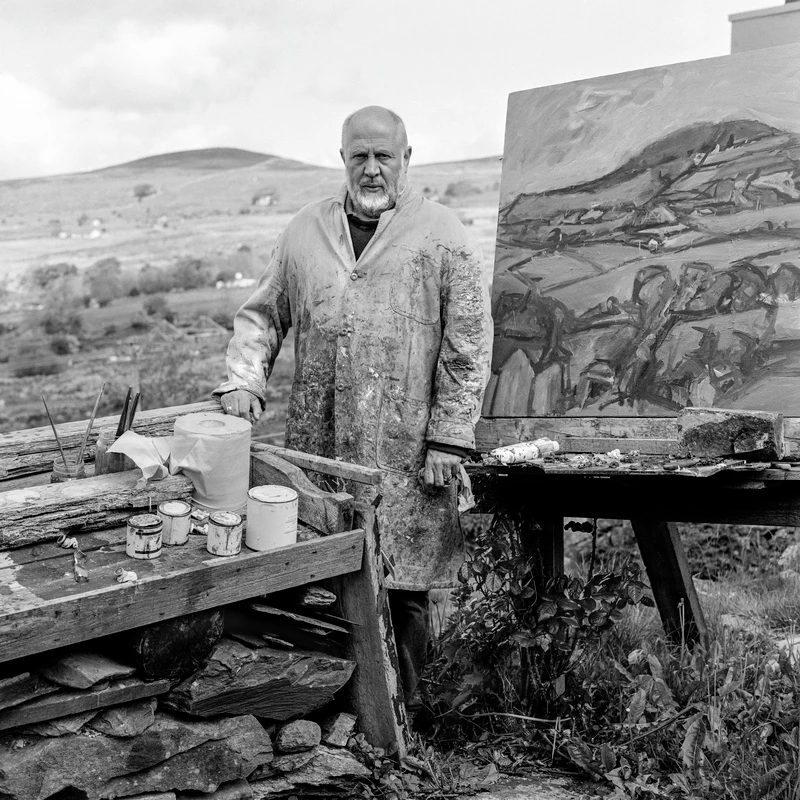
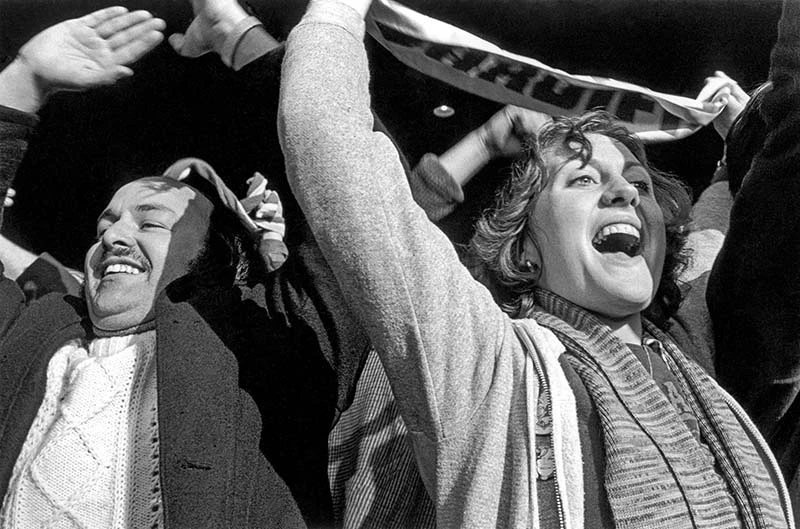
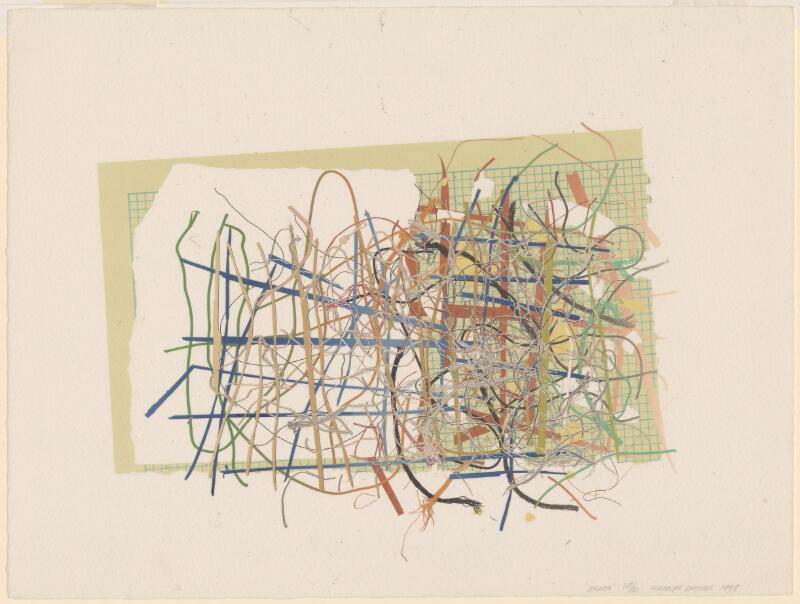
When I was first invited to take part in a project to make the National Contemporary Art Collection of Wales relevant to new audiences, I had no pre-conceived idea of which artworks in that collection would inspire the young people of Carmarthenshire. Being a metalworker, on an industrial scale, I was first drawn to David Hurn’s photographs of Shotton Steelworks and women working in factories across Wales in the 1980’s. I also looked at Frank William Brangwyn’s monochrome prints of bridges under construction and then moved on to German photographer Peter Keetman. The digital collection, however, is designed in a way that suggests other artists you may want to look at and that is how I stumbled across a set of Lithographs from an artist I had never heard of before. That artist is Hanlyn Davies, from Gorseinon, who studied Fine Art at Swansea College of Art before crossing continents to study at Harvard, in the United States and remains in the US to this day.
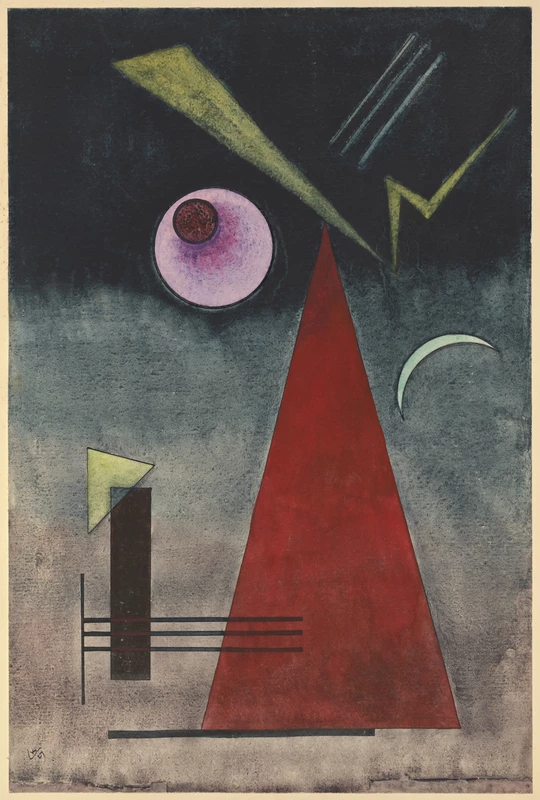
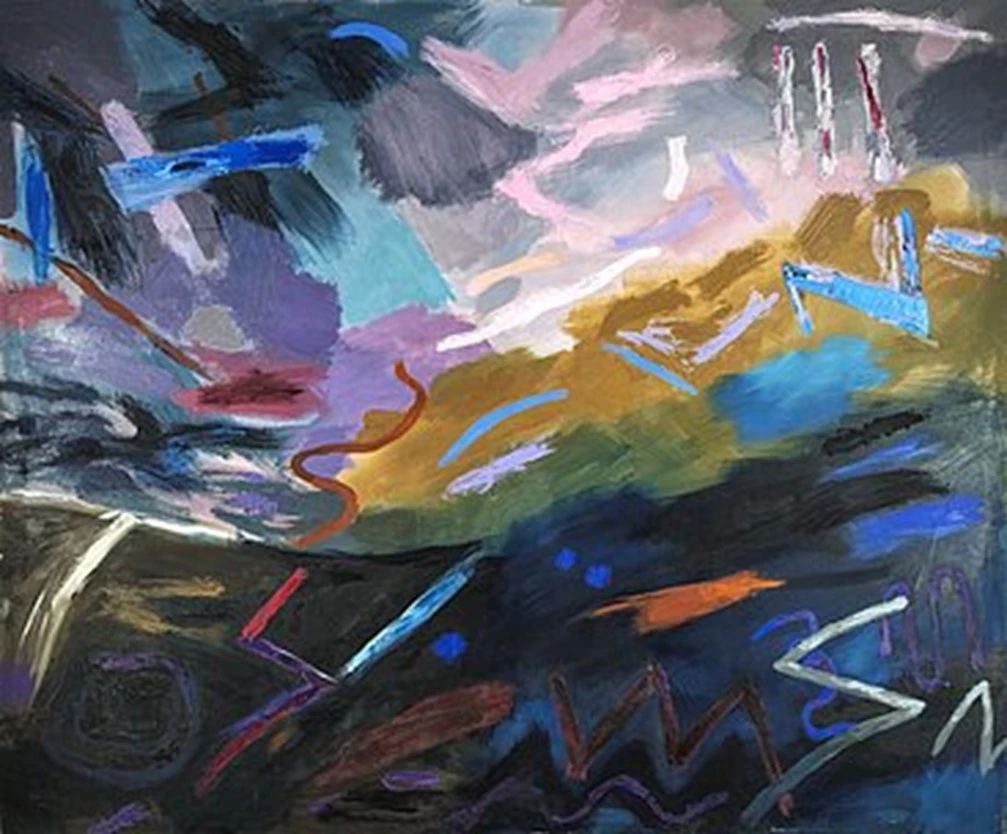
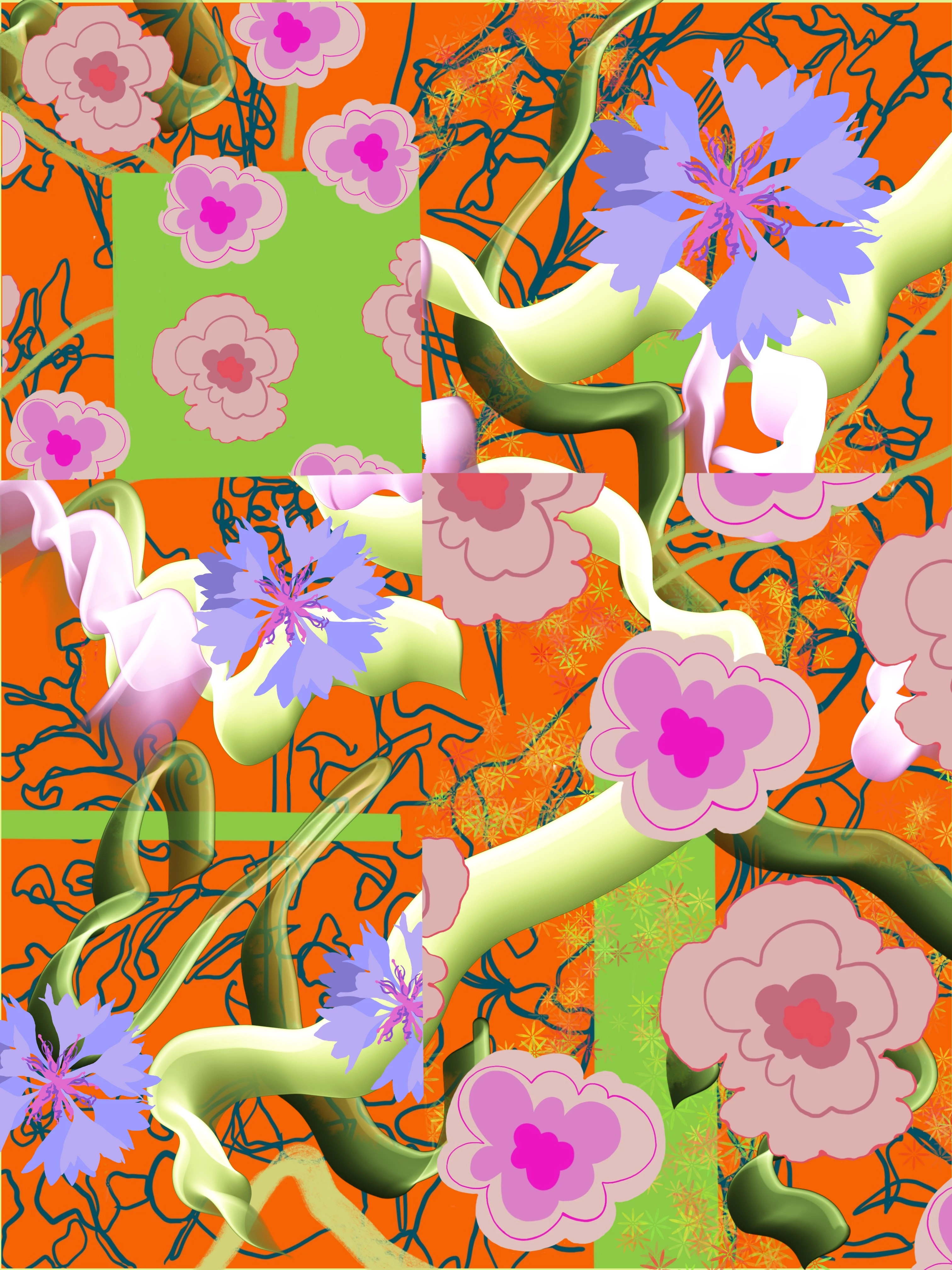
I was initially attracted to the tangle of colourful wavy lines in his prints and I loved the deliberate sense of order despite the impression of chaos. Similarly, in recent sculptures of my own, I have been re-constructing scenes of ‘Crushed Railings’ and elevating what seems like chaos into new artworks. The challenge would be how to engage a groups of Secondary School pupils in a set of abstract prints produced in the 1970s.
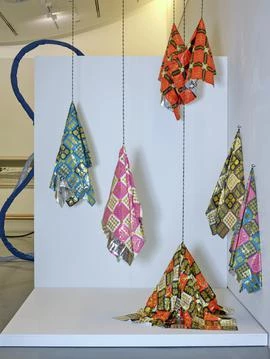
I decided that I would combine Hanlyn Davies’ vision with my construction skills, to set their imaginations free. I constructed 3 giant steel frames on castors, to represent the picture plane and the pupils were introduced to various wood and metal skills and new materials such as roofing batons, steel rod, mesh, steel wire and wallpaper. In groups, they were tasked to use Hanlyn Davies’s work as the inspiration for large scale 3D paintings that could be viewed from both sides.
The pupils’ skills, ingenuity and concentration totally exceeded my expectation and what surprised me the most was their unquestioning acceptance of the notion of abstraction. We discussed the importance of composition, of creating strong lines and structure for visually ‘busy’ work and on the second day they were encouraged to edit and re-work areas of their creations that didn’t work as well as others. Throughout the two days we also looked at how Hanlyn Davies’s work fits within the context of International abstract art and artists who incorporate three-dimensional everyday items and materials into their work, such as Anselm Kiefer, Louise Nevelson and Jessica Stockholder.

Art education in schools has become increasingly confined to sketchbooks and works on paper which is why gallery education officers such as the visionary Mary Sikkel are so important, giving young people the opportunity to express themselves in a huge variety of mediums and scale. Her summary of highlights over the two day project perfectly sum up the whole experience
She wrote “ When the group turned up early on the second day with only me there - bursting with energy, they all rushed up the stairs to carry on. When the pupils actually got to speak to 84 year old Hanlyn Davies on an online video call. When the teaching assistant gave me a big hug and told me how much this experience meant to some of the pupils who find classroom learning most challenging. Seeing the connections made and confidence with which many of the participants made smaller pieces related to the larger sculptures, which they were really proud of and finally, wheeling the finished pieces into the gallery space for everyone to see.”
A huge thank you to Angharad, Mary, Hanlyn and of course to all the students from Ysgol Maes y Gwendraeth.