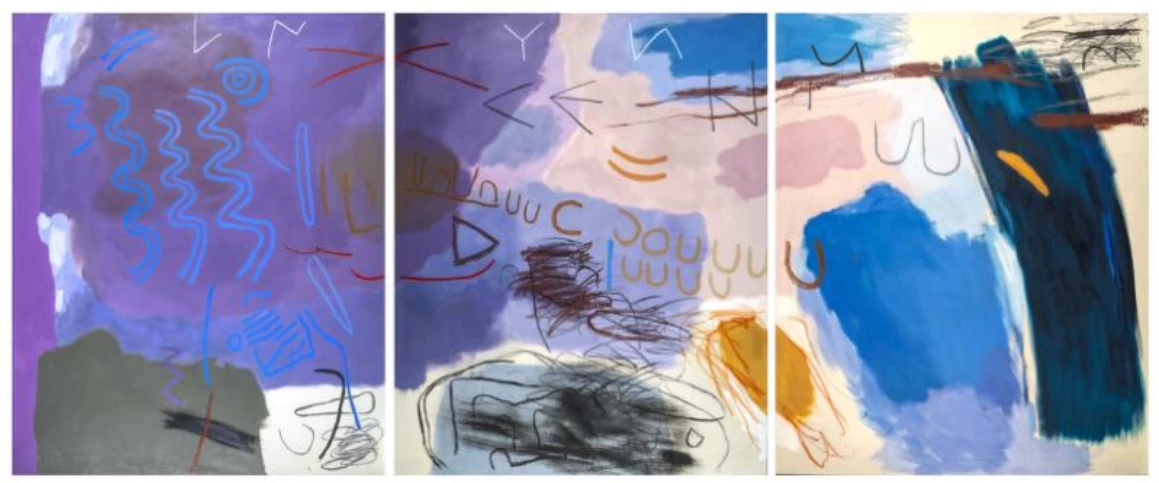
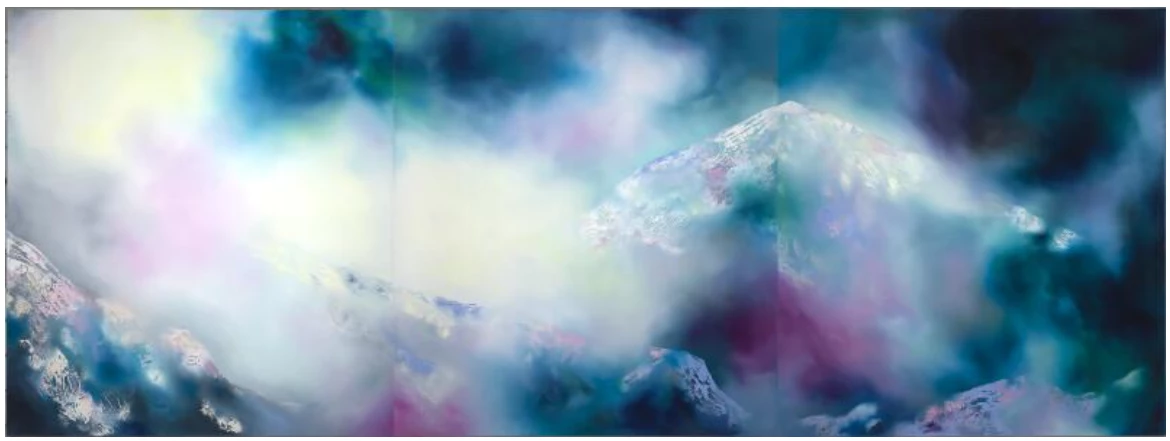
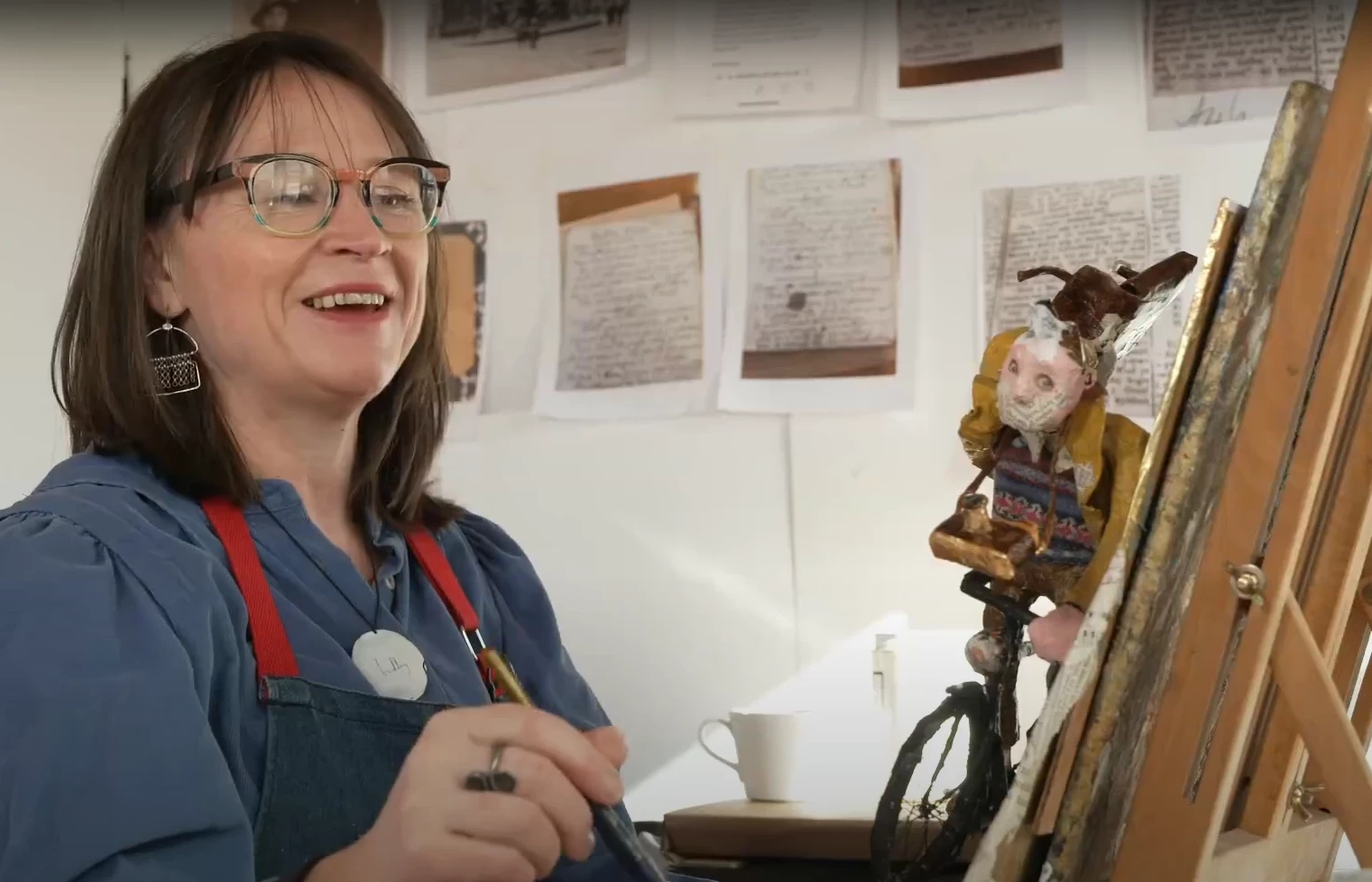
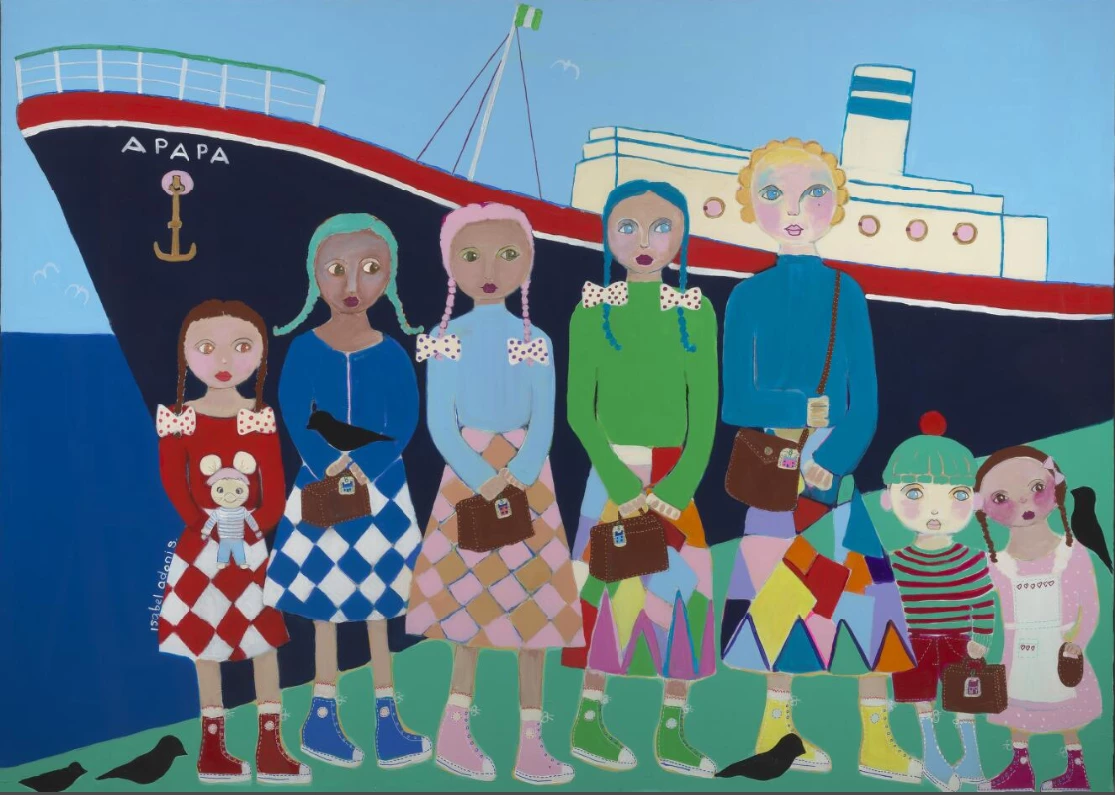
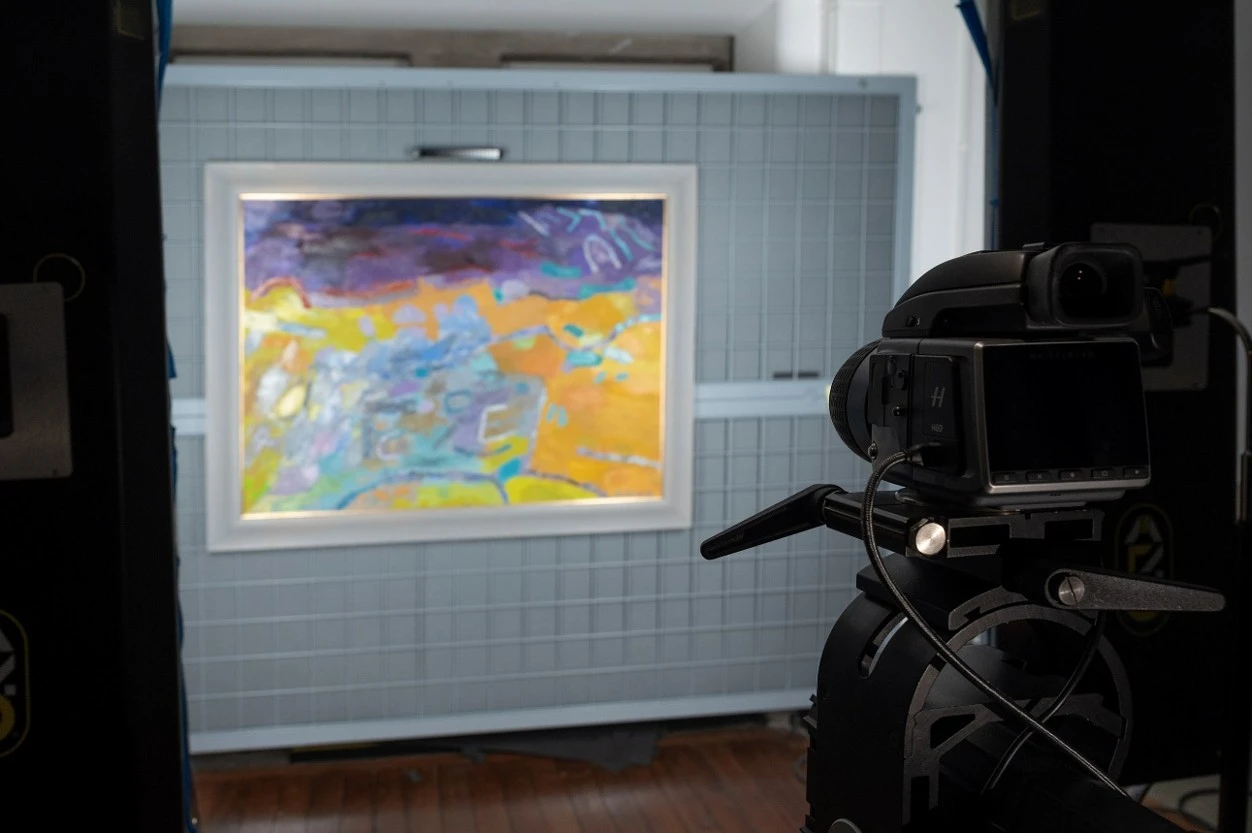
In Spring 2025, pupils in Ysgol Bro Hyddgen in Machynlleth spent the day with musicians Liam and Sion Rickard writing a song about the painting Ovis Alarmed by Tony Steel Morgan.
The painting was transported from the National Library of Wales into the classroom as part of the Library’s participation in the Masterpieces in Schools programme. You can listen to their final song below.
The following resource works as a lesson plan for pupils Y5/6+, but it can be used and adapted by anyone working with young people or just looking for a new musical challenge!
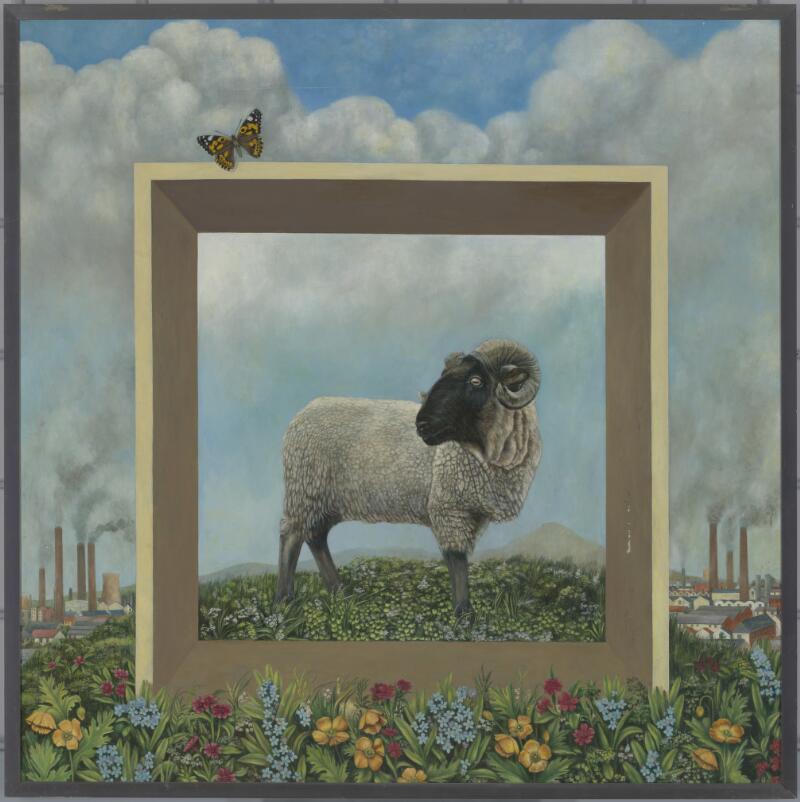

Ovis Alarmed could be used as inspiration, or another artwork of your choice. Why not browse the CELF website for inspiration?
Lesson 1: Close Looking and Responding
Warm up: Making a soundscape (10 minutes)
A soundscape is when we create the sounds of a particular situation – real or imagined. This can be done as a warm-up/ ice breaker with little or no prior discussion of the painting.
- Show the painting to the class
- Looking at the painting, what sounds might you associate with the picture? These could come from animals, people, weather, environment (urban or rural), or from shapes and colours if more abstract.
- Go around the class – each person makes their own sound inspired by the painting, with the rest of the group repeating each sound
Step 1: Close Looking (15 minutes)
Tip: We often look at pictures very quickly. If you look for longer you will notice more details and have more of your own thoughts about an image and how you relate to it personally. This might mean having more questions than answers, but this is all useful for your response!
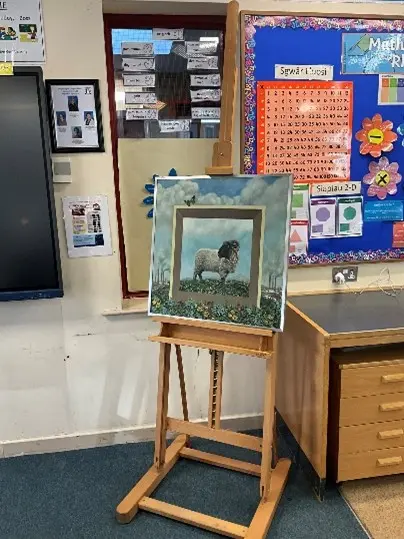
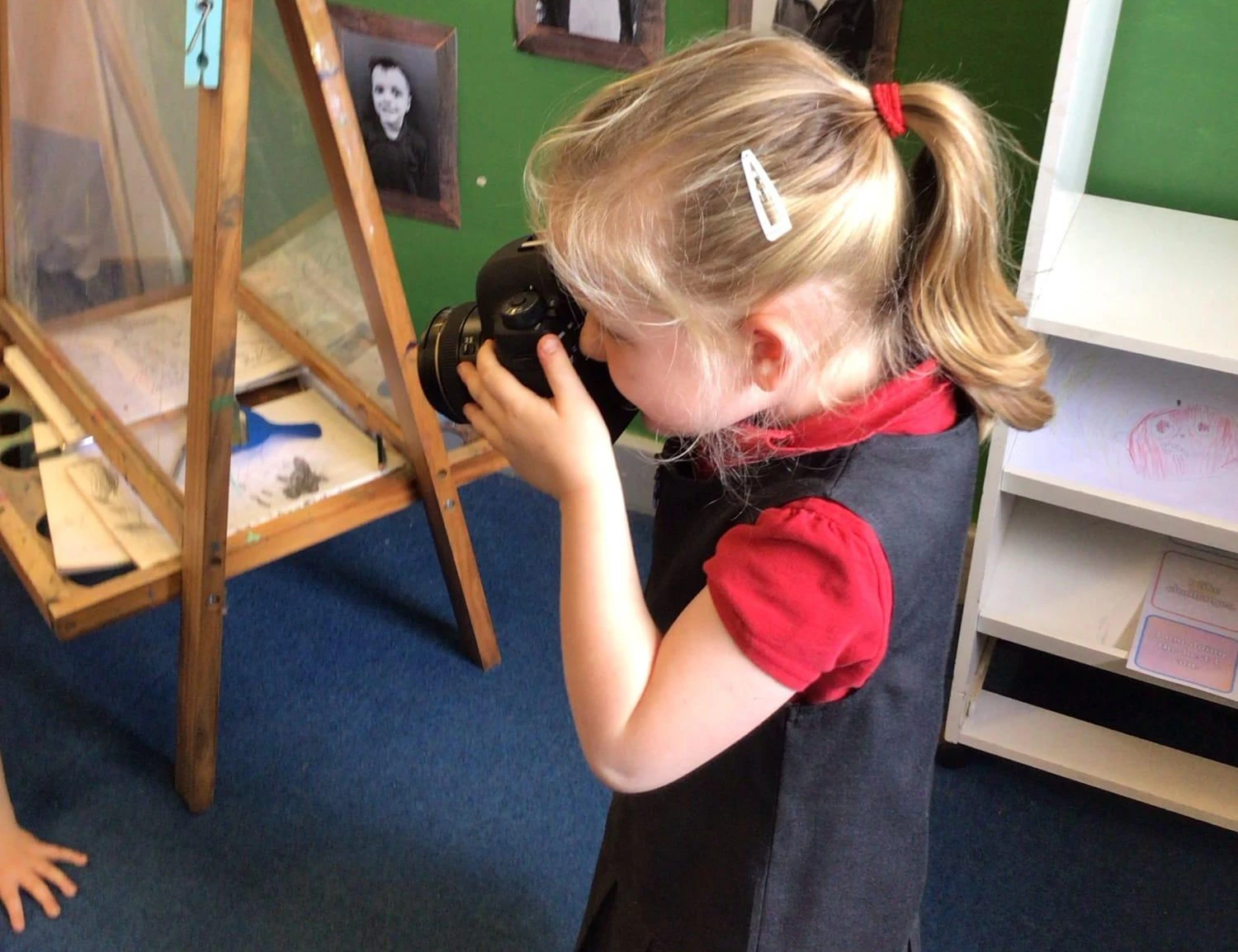
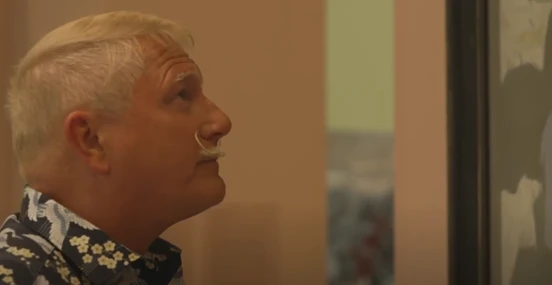
Ovis Alarmed by Tony Steele Morgan in the classroom at Ysgol Bro Hyddgen
- Ask pupils to look carefully at the painting in silence for 1 minute (or up to 10 minutes depending on age of the group and if they are used to slow looking)
- Reflect at the end of the minute: How did it feel?
- Cover the picture. In pairs, pupils turn to the person next to them and take turns to say what they saw in the image. Write a list as they go (3 minutes)
- Ask pupils to share what they saw and start a Master list on the board
- Look at the painting in silence for 1 minute again
- See what was missed, add to the list
- Are there any more sounds you would now add to the after looking more closely at the painting?
Step 2: Responding (20 minutes)
The questions below could be used to generate more ideas about the painting. Give pupils time to think about the question, then share with a partner, before sharing ideas with the class to be added to the Master list:
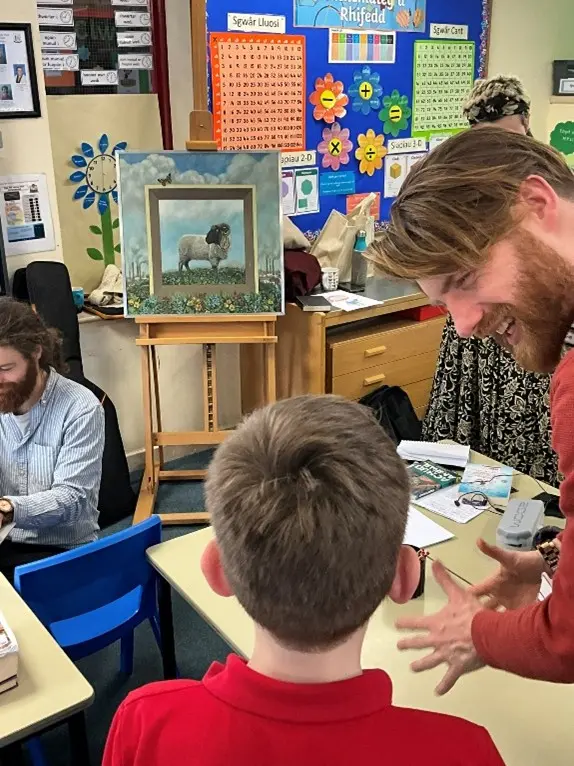
The more you look; the more you see
How has the painting been made?
Is it a realistic depiction of the subject? Is it abstract?
What would you ask the artist who made the painting?
What is the title? Why do you think the artist chose this title?
What do you think the painting is about? Could it have any other meanings?
Complete this sentence: It’s about… and how …
Do you have an overall feeling when you look at the painting? Do different parts make you feel different things?
Tip: Thinking about how different parts of a painting make you feel is useful for making your song. Do you want the mood of the song to match the painting, or be very different?
Lesson 2: Writing the Song
Step 3: Lyrics & Rhyming (30 minutes)
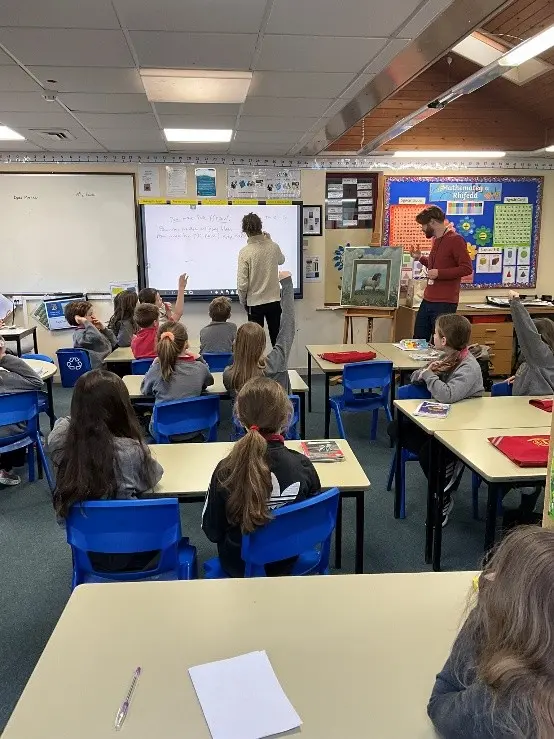
It can be hard to get started, but one idea leads to another
Start playing with using the Master list of words, questions, and feeling to create song lyrics
These can be questions, opinions, associations – no bad ideas at this stage!
Demonstrate how to count and match syllables and rhyme two lines together.
Tip: The last word of each line in a song usually rhymes and each line of the rhyming pair usually has the same number of syllables. You might need to swap words around or change the order of sentences to make this work. This is all part of the creative process.
Write 2-4 rhyming pairs of lyric lines together as a class.
Give 10 minutes for pupils to write a further 2-4 rhyming pairs, individually or in pairs.
Tip: There are no bad ideas at this stage. Even if an idea doesn’t seem to work it might come in handy later in the process or lead you or someone else onto another idea that does!
Step 4: Chorus, Verse and Melody (30 minutes)
It's time to put the rhyming lyrics together as verses and decide on a chorus.
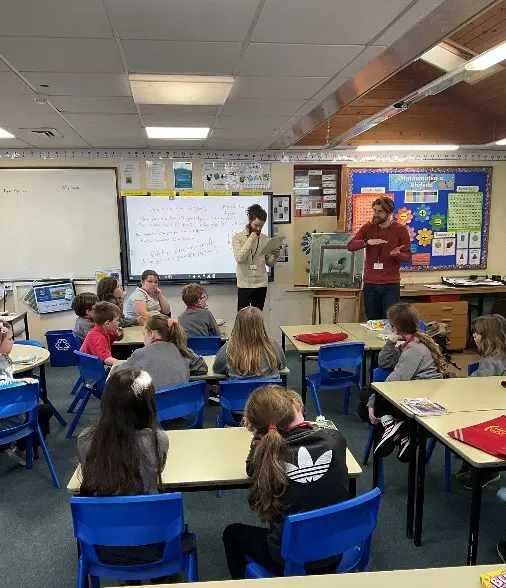
You might need to move lines around until you get a structure you are happy with. A big whiteboard is useful here.
Chorus: A catchy section of the song that is repeated multiple times with the same words.
Verse: Comes before the chorus, each new verse has different lyrics.
Melody: The tune of the song.
In the classroom this step will need to be teacher-led, ideally with an instrument such as guitar or piano to start putting lyrics to a melody.
Lyrics might need to be added or taken away to make the components of the song sound right.
Share ideas as a class, writing the lyrics on the whiteboard. What stands out? Could this be the chorus? Which lyrics seem to belong together as the verses?
Tip: Some people might naturally take the lead on crafting the lyrics and ideas into a song, but everyone’s ideas are valuable.
Adaptation:
For a simplified version of this activity, focus on creating a mood with chord sequences to accompany the lyrics.
C – G -Am – F (upbeat/happy) and Cm – Bb – Gm – F (sombre/sad)
Pupils can then focus more on rhymes and rhythms and speak or “rap” over the chords.
Step 6: Practice, perform and record
Once you are happy with the verses, chorus and melody (or your lyric/ chord combinations if doing adapted version) someone needs to create a final version of the lyrics in full and then the class can practice.
Remember your song needs a title!
You might like to add in sounds from the soundscape of the painting you did as the warmup (like the pupils in Ysgol Bro Hyddgen did!).
Finally, set a time to perform, or a record your song.
Tip: It’s important to share a creative piece of work with an audience when it’s finished so that other people can react and respond to the work you made!
Further Activities - Music back to art:
Abstract sounds: Can you draw the sound of your song using shapes and lines? What colours would you use for the chorus? What about the verses? Why?
Mini-exhibition: Everyone in the class makes a drawing inspired by their favourite lyrics in the new song. Display all the drawings together next to the original painting. Is the connection to the original obvious? Do the new pictures relate to each other (same ideas or colours, for example)?
You might like to consider a few examples of artists inspired by music:
Jean-Michel Basquiet’s love of jazz was a large inspiration in his artwork
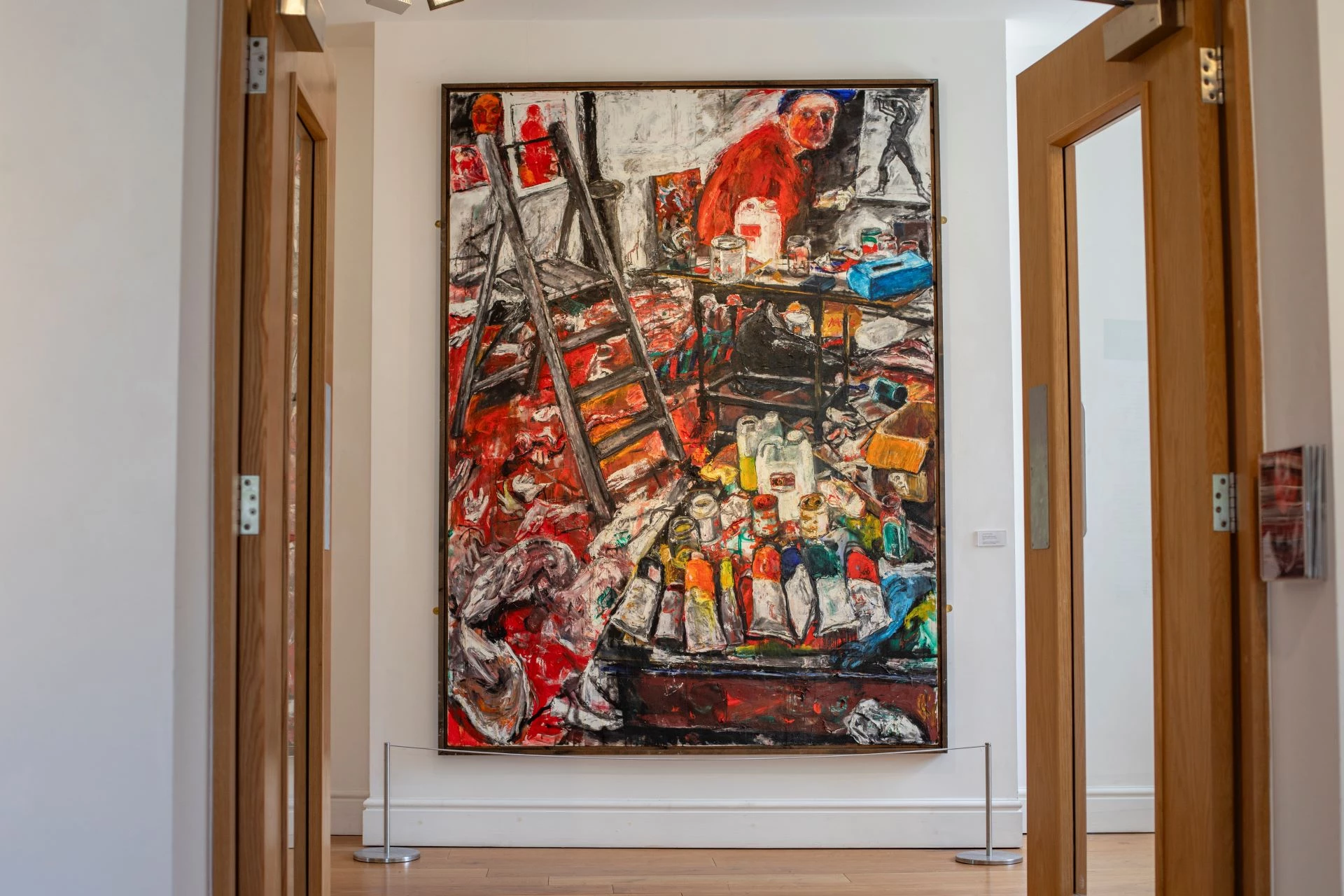
Wassily Kandinsky admired music for the way it could express the inner world (thoughts, feelings, perceptions) of an artist, and made many artworks responding to musical pieces, and there is a work by him in the Amgueddfa Cymru - Museum Wales collection
Georgia O’Keefe made a series of paintings trying to record a visual experience of sounds
Ceri Richards was interested in the connection between art and music. Musicians and instruments are the subject of many of his artworks that you can see on the CELF website
Want more inspiration?
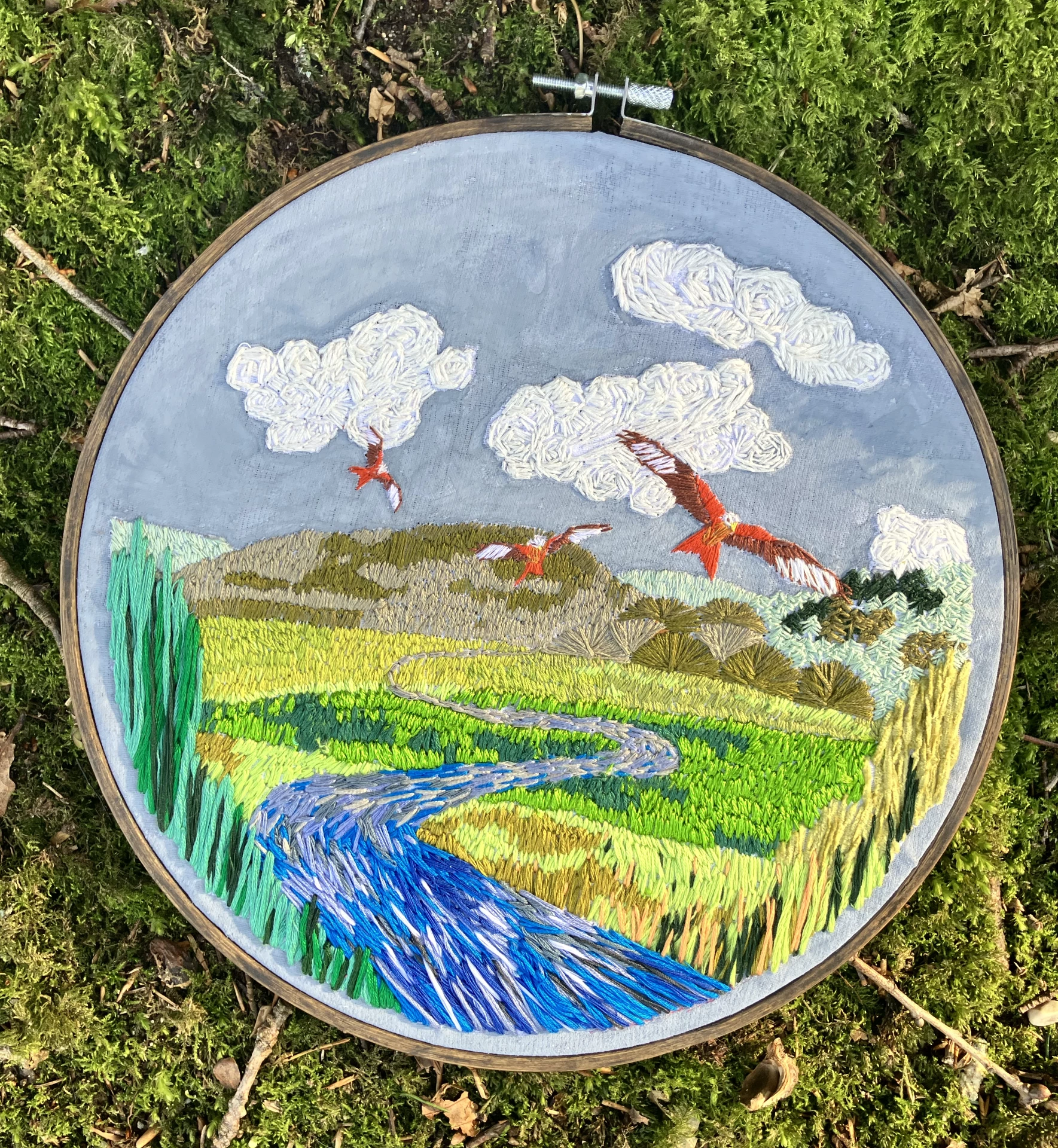
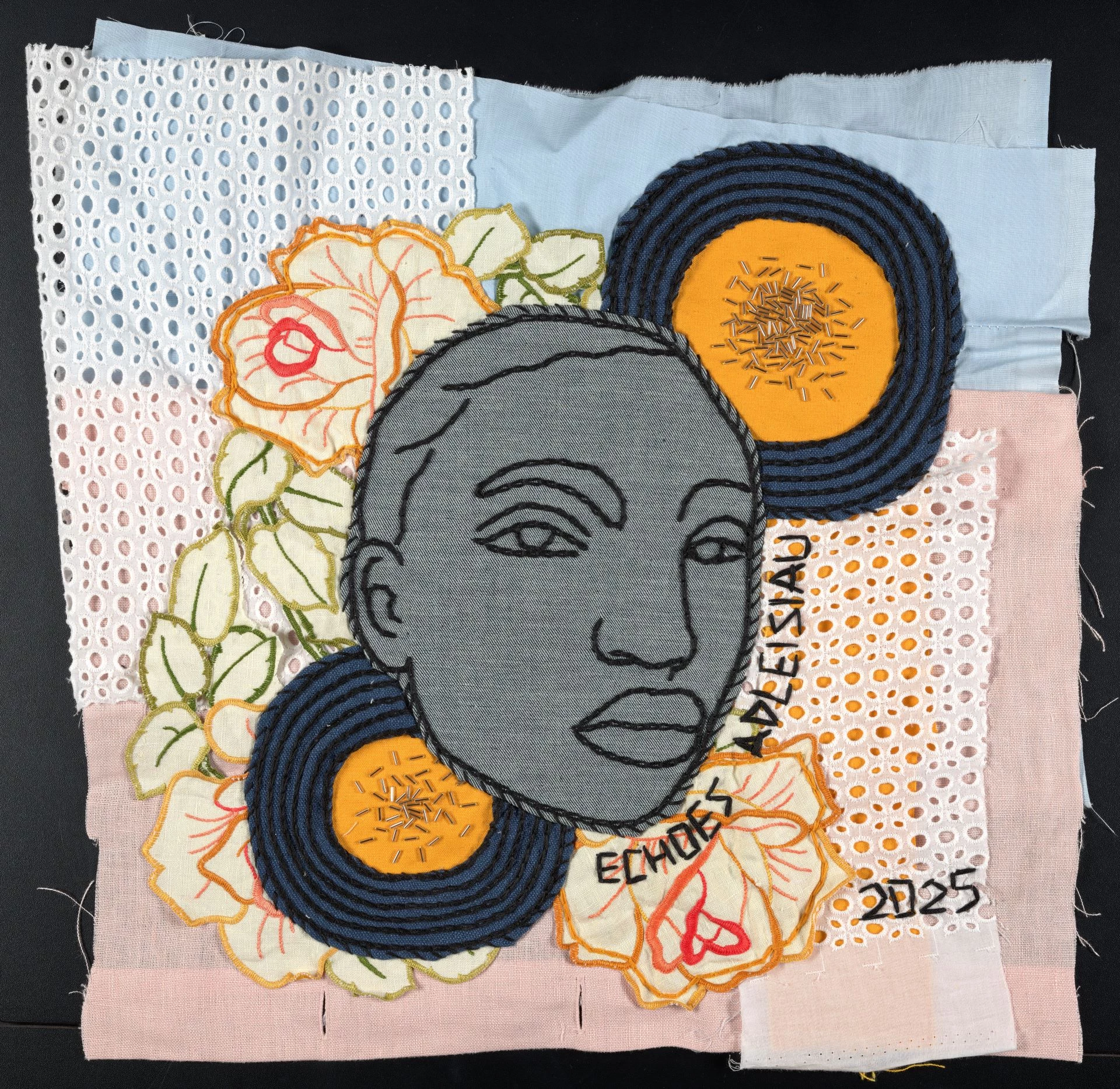
You can listen to more music inspired by the national art collection by Lo-Fi Jones, Internet Fatigue, Sweet Baboo, Francesa Dimech and Madame Ceski on the CELF website.
Age range
This resource is aimed at Primary School but can be adapted for older students
Curriculum Area
Expressive Arts (music and visual art); Languages, Literacy and Communication (LLC)
Expressive Arts
(Music and Visual art)
What matters statement: I can describe an artwork and reflect on how it communicates mood, feelings and ideas; I can identify questions and broader themes that come up when looking at a work of art; I can draw on my senses, an inspiration source and my imagination to respond to an artwork creatively; I can understand the key components of verse, chorus and melody in a song
Languages, Literacy and Communication
What matters statement: I can use language effectively to describe an image and my own ideas about it; I can understand that a song is a particular form of writing that features rhymes; I can rhyme two lines of song lyrics together; I can use language creatively in a plurilingual context; I can use language to express views on other people’s ideas
Outcomes
- 1. Be able to look closely at an artwork, describe it and identify broader themes
- 2. Use questions, ideas and feelings about an artwork as basis for creating song lyrics
- 3. Share ideas and listen to others; recognise the value of my own ideas and those of others in the creative process of songwriting
- 4. Identify rhyming words and rhyme lyrics together
- 5. Understand the terms chorus, verse and melody and contribute to creating these elements of a song
- 6. Perform a song with a group
Anticipated Lesson Length
Minimum 2 x 45-60 minute lessons, plus practice and performance/ recording
Resources Needed
- 1. Access to a work of art or a high-quality image of an artwork (and printed copies, depending on group size)
- 2. Pen, pencil and paper for pupils to write down ideas
- 3. Screen or whiteboard to write class lyrics
- 4. An instrument such as a guitar or piano for the teacher
- 5. Recording device (optional)