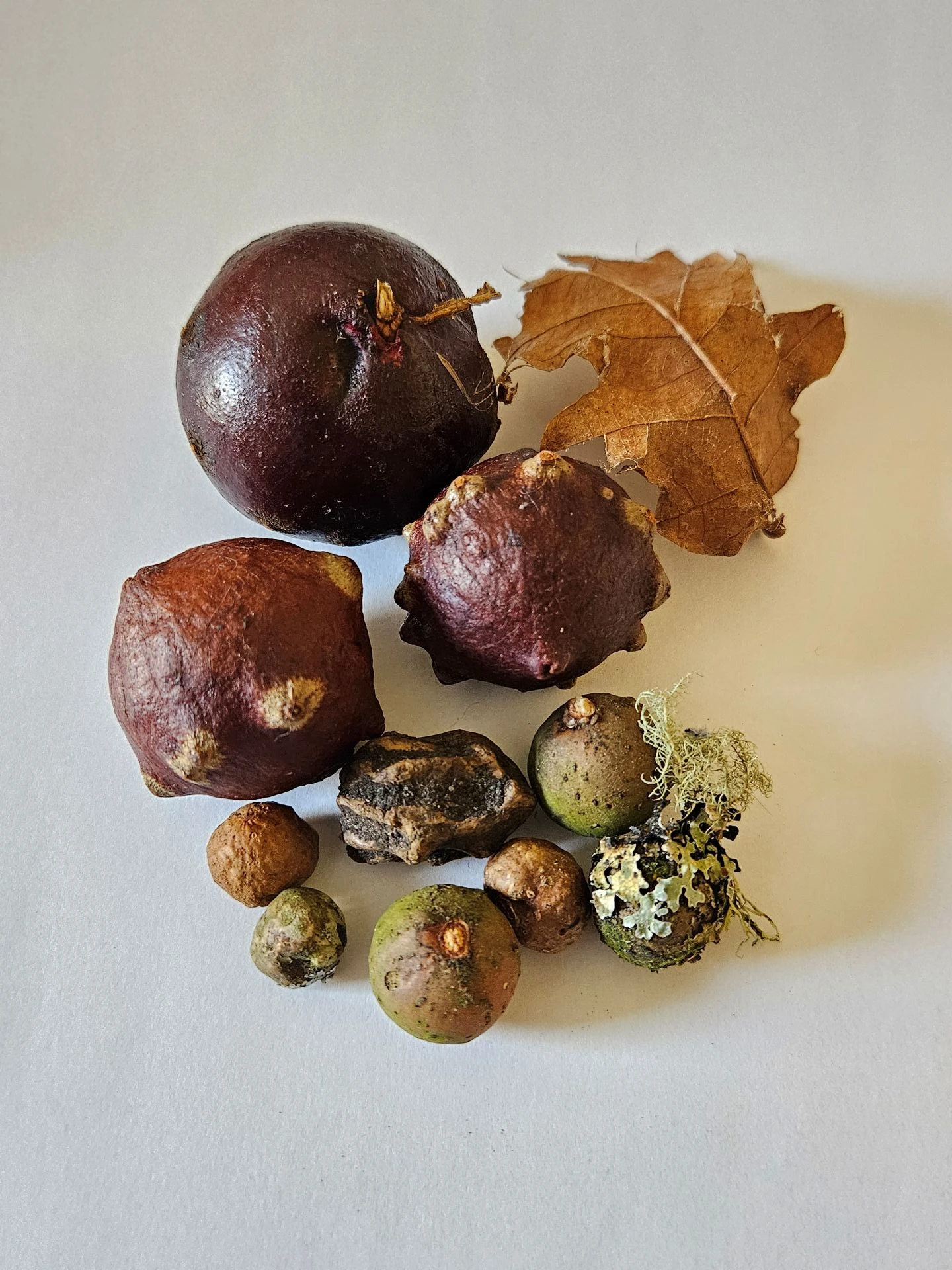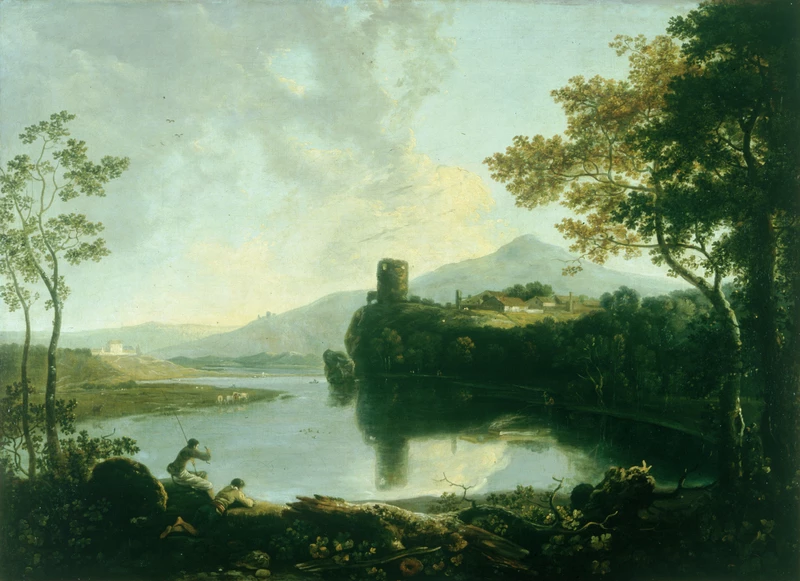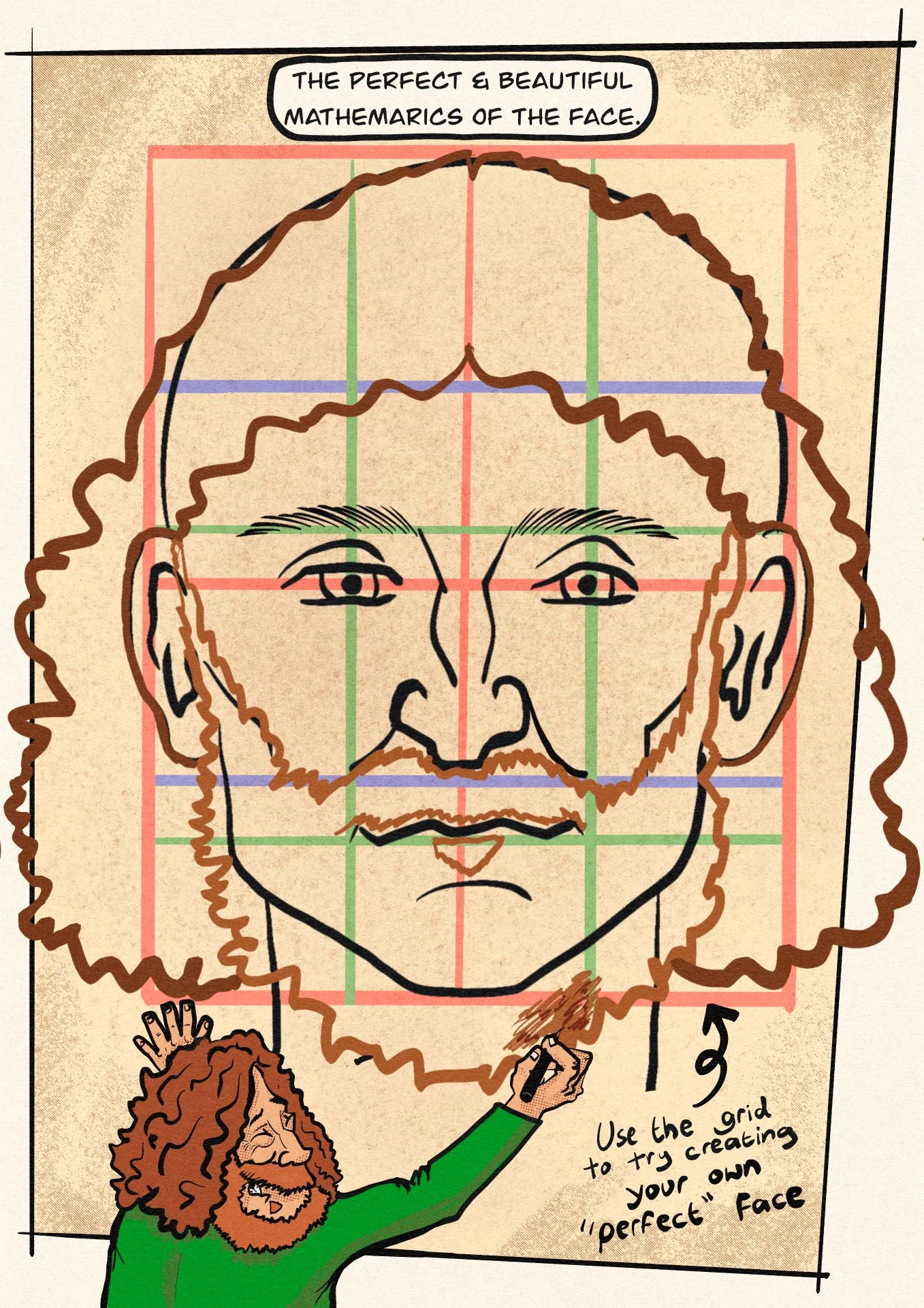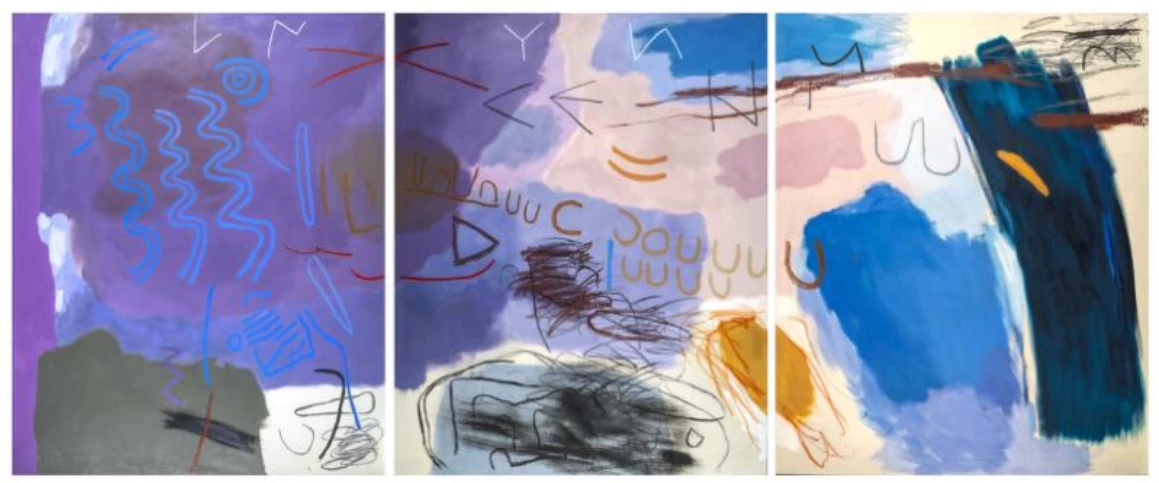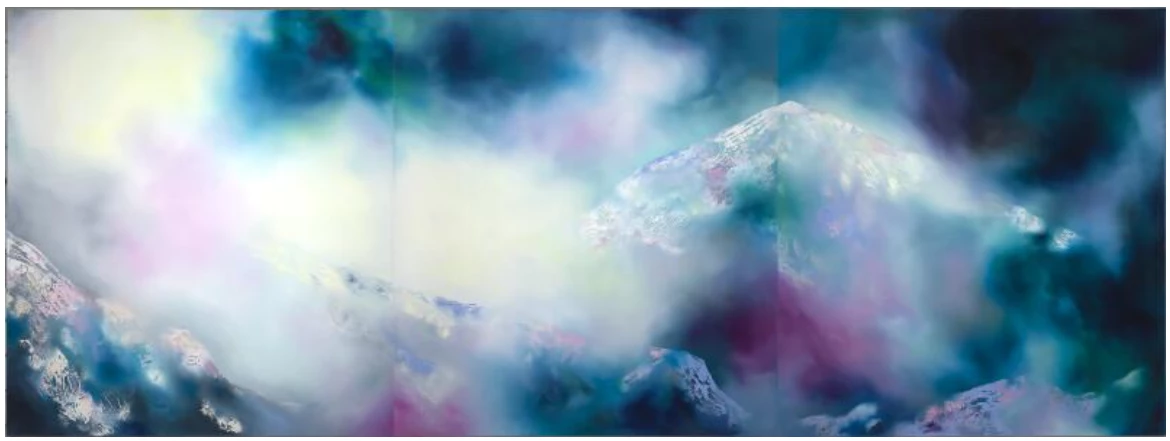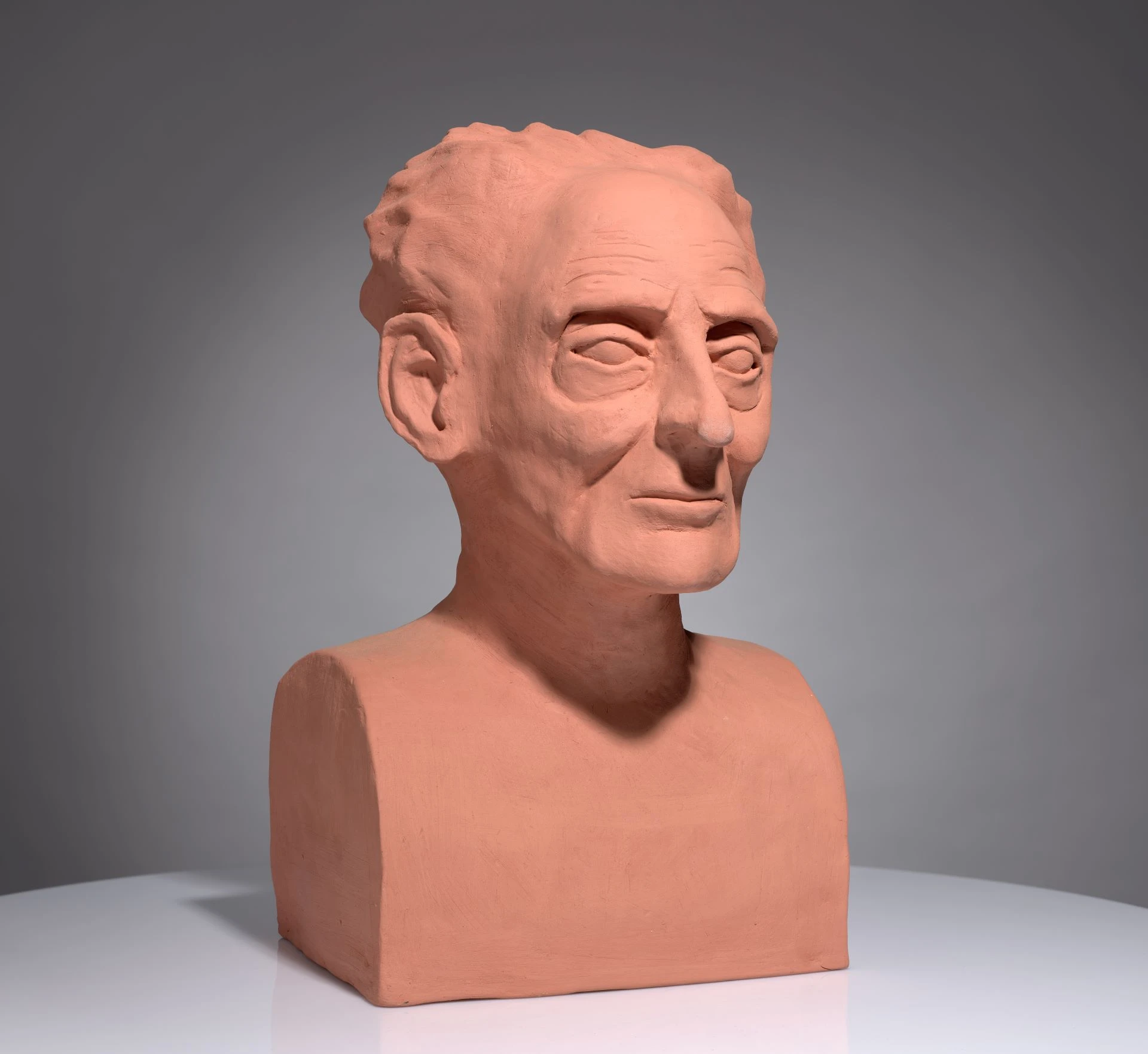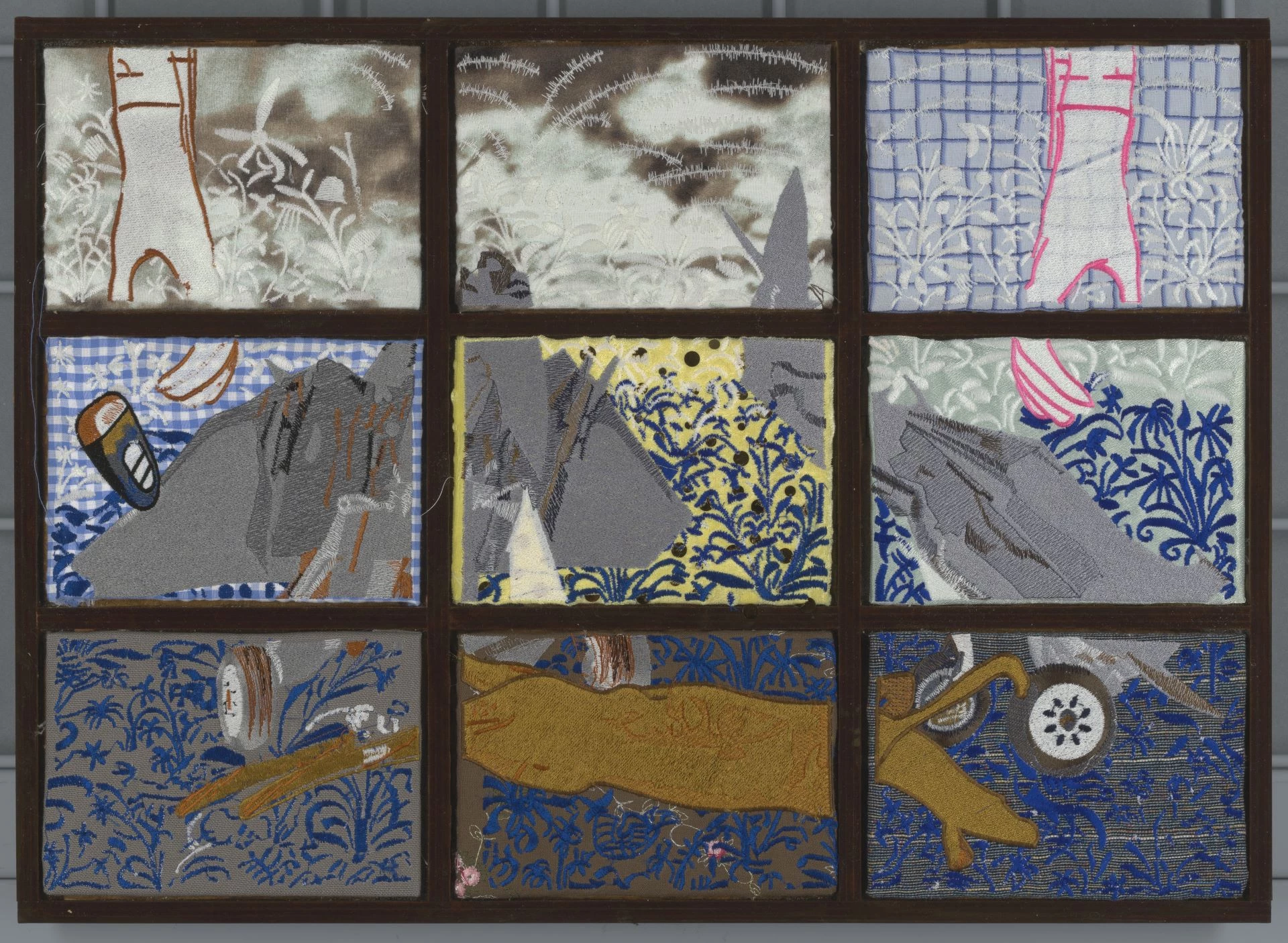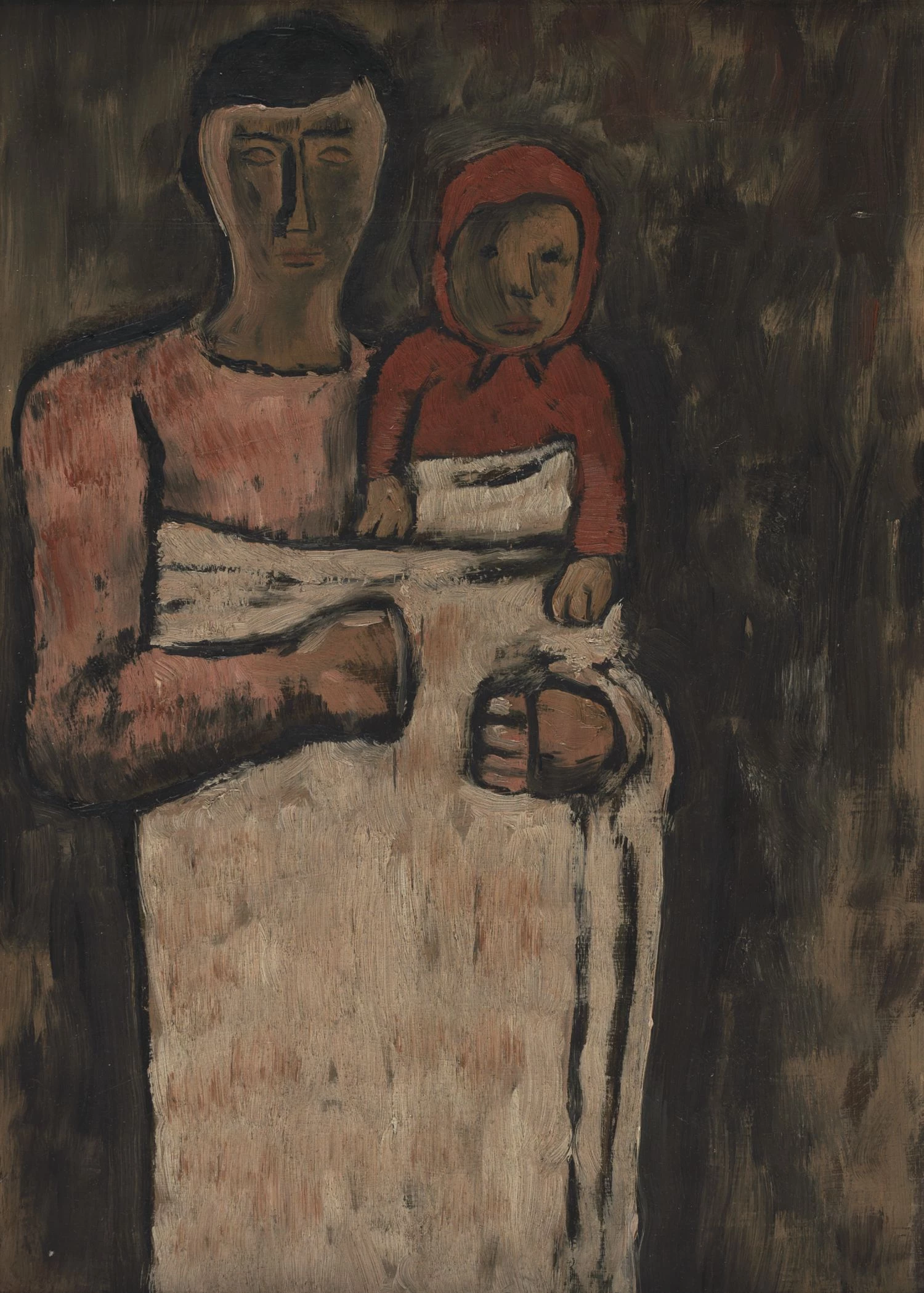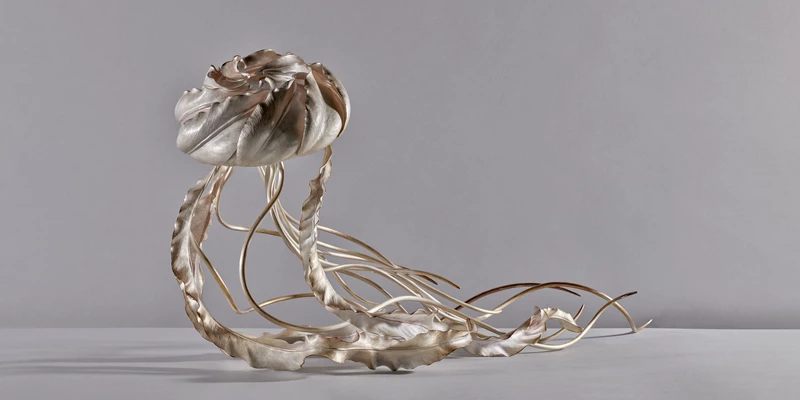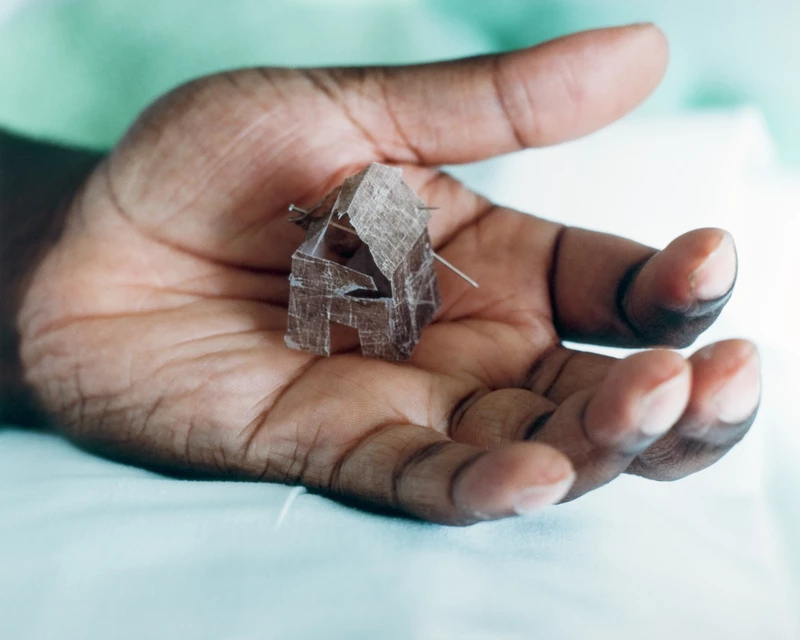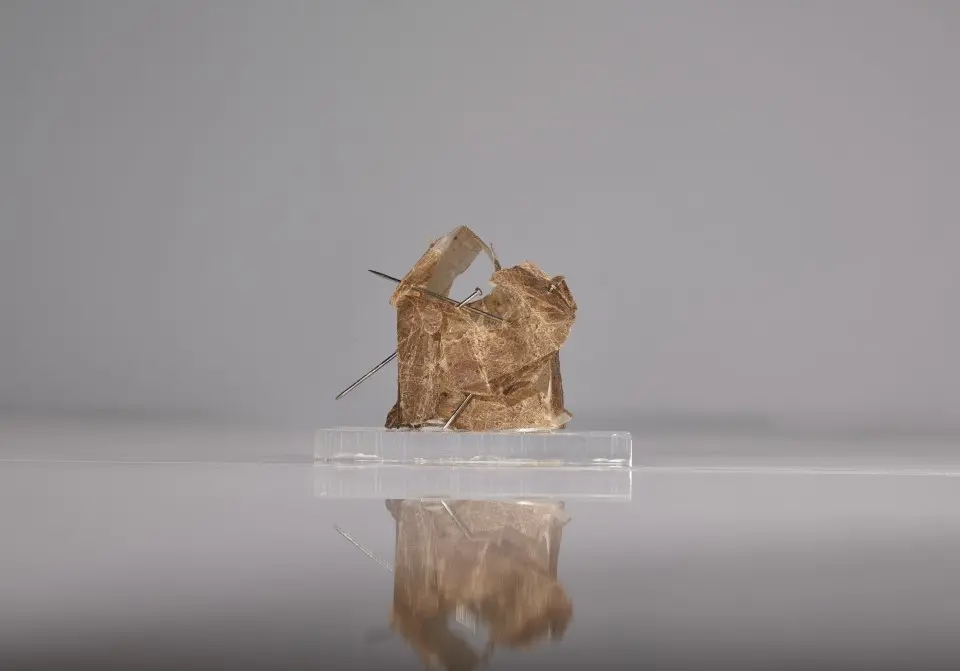
My Mother My Father My Sister My Brother, Donald Gladstone Rodney - © Donald Gladstone Rodney/Amgueddfa Cymru - Museum Wales
One: The Aim
Carefully and delicately formed and pinned together with dressmakers’ pins, this small maquette of a house is made from dried and preserved skin which removed after a procedure to combat sickle cell anaemia. It is one of the best-known works of art by the British multi-media artist Donald Rodney (b.1961, West Bromwich; d.1998, London). The House was one of five new pieces of artwork shown in Rodney’s last exhibition, Nine Nights in Eldorado (1997), from which the title and reflection on his work have been taken.
Two: The Art
Rodney's artistic practice was eclectic and experimental and cannot be categorised easily. In his short life, he worked across installation, archives, collage, sculpture, photography, medical, pop culture and mass media imagery, film, drawing, interviews, and painting. He used various materials - including his body - and pioneered digital and robotic technologies such as Autoicon (1998 -2000). Autoicon was created not long before he died from a simple Java-based AI and neural network scripted platform that allows visitors to converse with him and view his work. Rodney’s solo exhibitions include
• 9 Night in Eldorado, South London Gallery (1997);
• Cataract, Camerawork, London (1991);
• Critical, Rochdale Art Gallery (1990);
• Crisis, Chisenhale Gallery, London (1989);
• The Atrocity Exhibition & Other Empire Stories, Black Art Gallery, London (1986);
• The First White Christmas & Other Empire Stories, Saltley Print and Media, Birmingham (1985).
There is an ongoing exploration of Rodney's archive, as seen in projects like "Reimaging Donald Rodney" (2016) and the current touring exhibition “Visceral Canker” (2024 – 2025). This recent major exhibition presents the majority of Rodney’s collection from 1982 to 1997, described as including “large-scale oil pastels on X-rays to sculptures, restaged installations and even the entirety of the artist's sketchbook collection, encompassing 15 years of work”. It is presented alongside a host of learning resources produced by the three galleries: teachers’ guides, a programme of events, and a special publication - Donald Rodney. Art, Race and the Body Politic (2025). By introducing him to a new generation of audiences, it is evident that the themes underpinning his work remain as timely and necessary as they did when they were made in the 1980’s.
Three: The Artist
Donald Rodney grew up in the Midlands (West Bromwich), and spent the 1980s as a young man studying Fine Art in Bournville, Nottingham and then Multi-Media Fine Art in London. During this period, he was also a member of the BLK Art Group, a Wolverhampton-based collective of five young conceptual artists, sculptors, installation artists, and curators of African-Caribbean descent. The BLK Art Group produced a series of exhibitions titled The Pan-Afrikan Connection from 1981 to84. Drawing on international decolonisation and civil rights movements taking place across the world many of the themes explored by the collective during his formative years remained ever present in his later work. The legacy of colonialism and slavery, the ongoing racism and systemic injustice in British society, and the position of Black people in the UK are all evident in his work. Given the social context in which he grew up as a young Black man in the 1980s, these creative touch points were rooted in lived experiences. As he reflected and recorded as an entry in ‘Autoicon’:
Smethwick [was] where I lived and Smethwick's claim to fame was at sometime during the elections in the sixties, some Tory MP coined the phrase ‘If you want a nigger neighbour, vote Labour.’ It was a very popular slogan that was used a great deal. And around this time, Enoch Powell's “Rivers of Blood” speech was given in Wolverhampton. So Birmingham and Wolverhampton had a large contribution of bigots around which made things a bit scary, (inlVA, www.iniva.org/autoicon).
As he developed his practice as an artist, his conceptual work deepened and broadened, with his artwork exploring the politics of Black masculinity, and notions of belonging, family and the home.
Four and Five: Bloodlines – ‘Flesh of my Flesh’

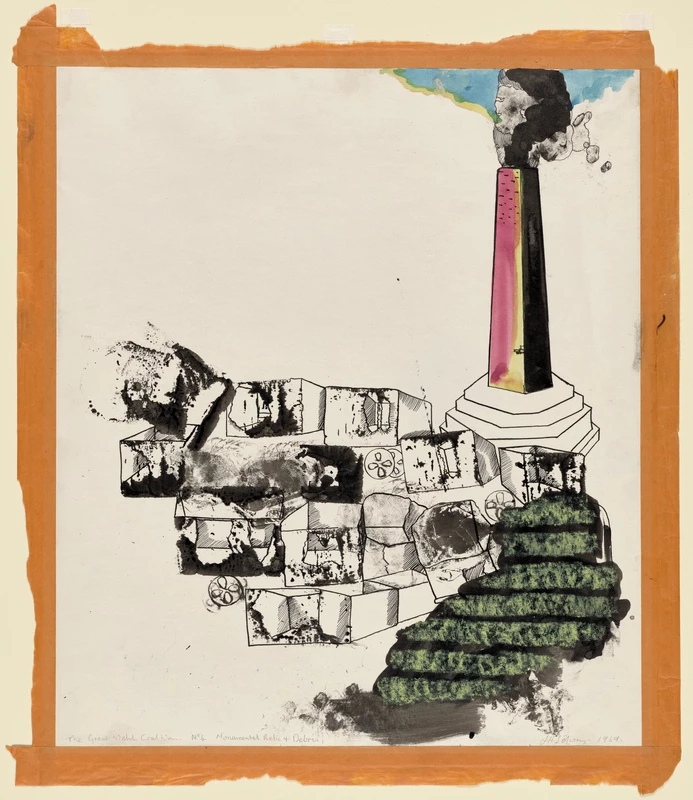
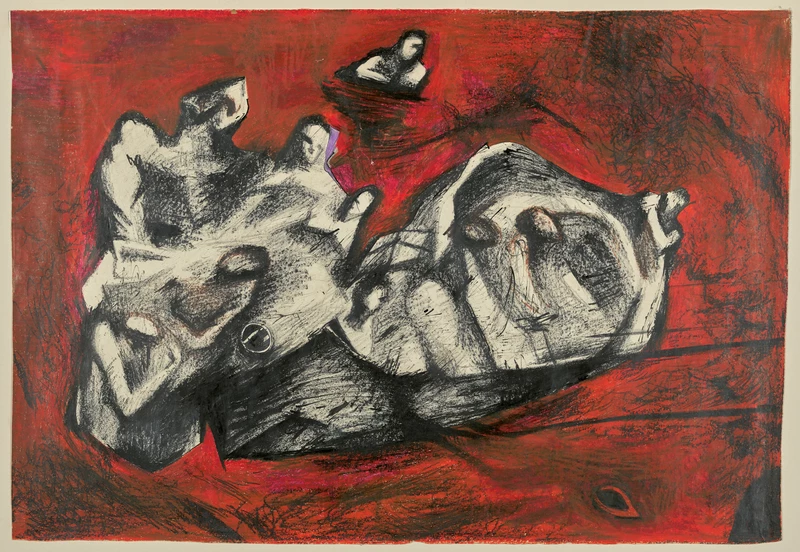
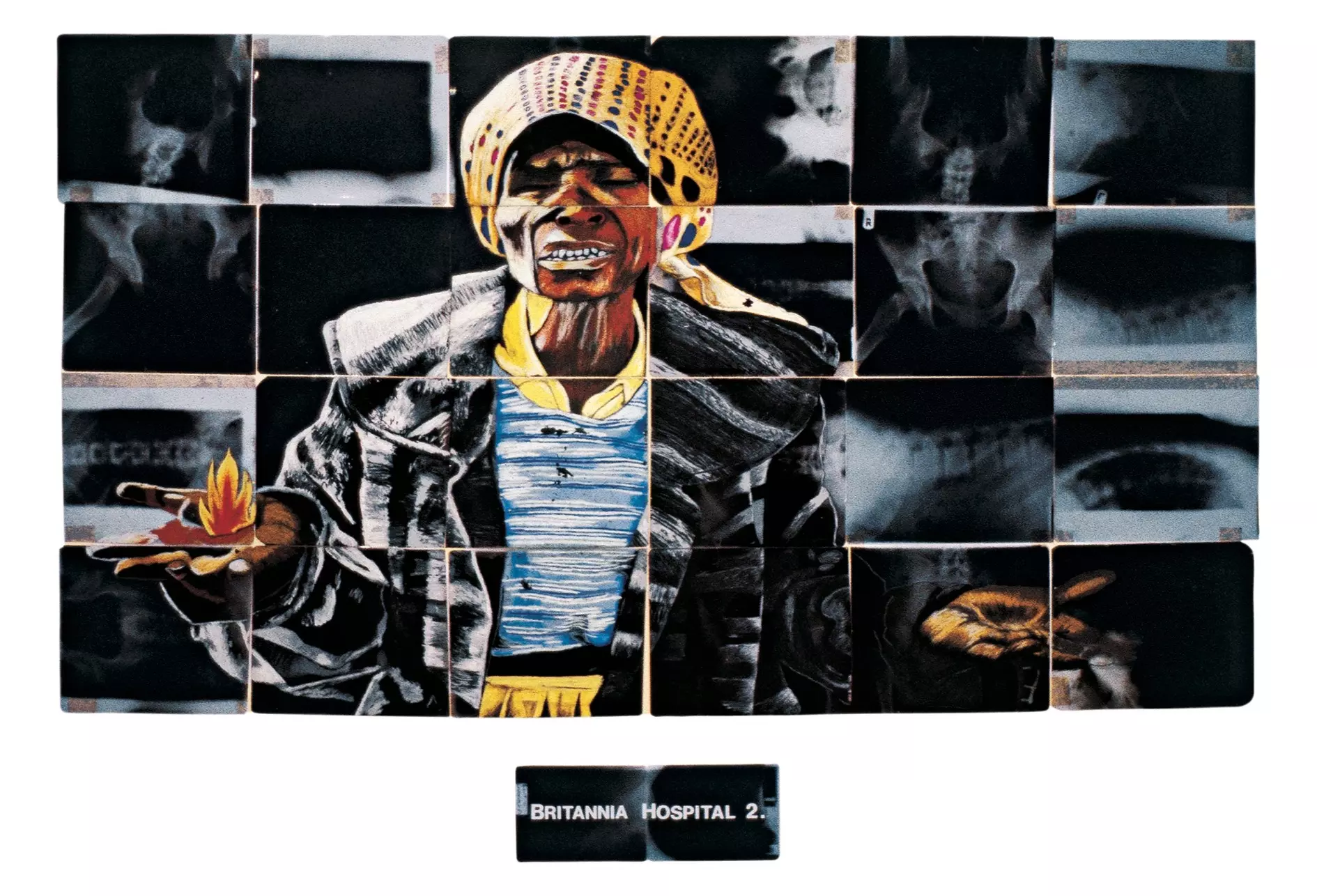
Britannia Hospital 2, 1988 - Donald Gladstone Rodney © Sheffield
Museums Trust/Bridgeman Images
As the African saying goes, Donald Rodney died in the high noon of his life, succumbing to the ravages of sickle cell disease at the age of 36. This tiny house was partly conceived and produced in a shared hospital room that he had converted into his studio. Sickle cell disease is a group of inherited disorders that that affect the major protein that carries oxygen to our red blood cells. Normally, our red blood cells are disc-shaped and flexible so they can move easily through the blood vessels; but with this group of disorders the cells are sickled.
Rodney experienced episodes of varying levels of pain and fatigue from birth (caused by the sickling, sticking and clumping of his blood). He had countless operations, invasive treatments, blood transfusions, and, over the years, debilitating disability and deterioration of his body, eventually leading to his early death. So perhaps it is not surprising that another key theme of his work - as the house made from his skin measuring no more than a few centimetres most powerfully reveals –was the impact of this inherited disorder on his life. For Rodney lived and died during a period when awareness of the disease and its treatment was low, services almost non-existent, and stigma and racism towards those presenting with symptoms were high.
As the disease took an increasing toll on his life, it also became a creative force. He used it metaphorically to represent both embodied and personal pain, as well as a representation of social pain rooted in systemic forms of racial oppression. His use of medical imagery and materials, such as X-rays and discarded medical equipment, is seen in Figure 2 'Britannia Hospital 2'. It is one example of the interweaving between the personal and the socio-political and the ongoing disavowal and neglect of the black body and people in art, social life and biomedical sciences. Images of his body in his work ‘Flesh of My Flesh’ (1996), a photographic triptych featuring a close-up of a raised scar on Rodney's thigh, can likewise be taken as metaphors for racialised inequity as a disease on society.
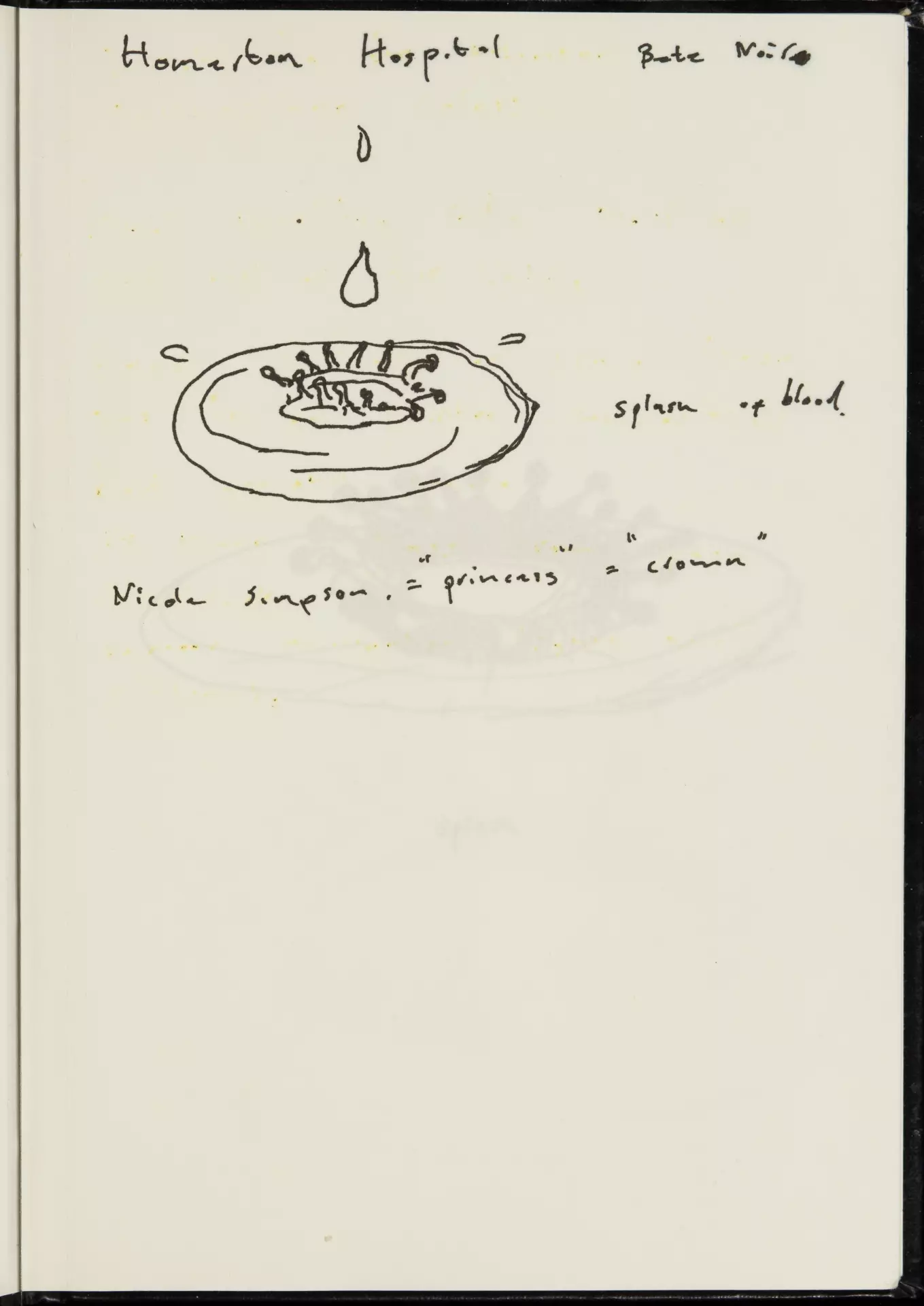
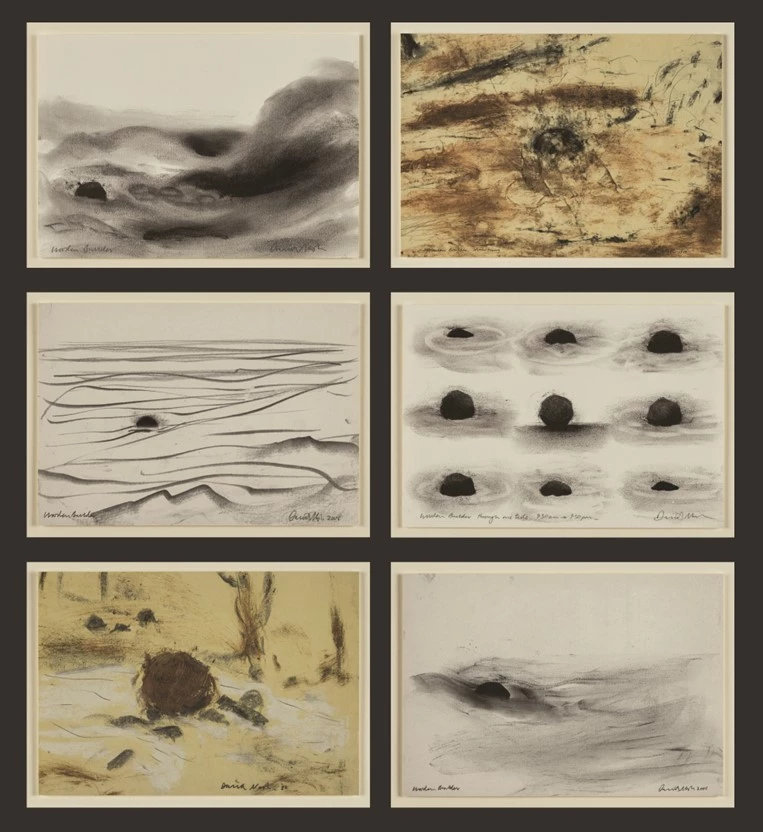
His work also shouted at the strength of the Black experience. In this, blood is something else that shaped his life and his art, as Ishion Hutchinson details in his article on the ‘Splash Crowns’ (1995). The Spash Crowns is a series of sketches that Rodney created while in hospital, tellingly reveal how he drew on blood—sickled as his was, pricked and pouring as that of enslaved ancestors—as a metaphor for resistance, resilience, and connection. As Hutchinson states, “Healing: that is the lasting dignity of Rodney’s splash crown, created from his hospital bed and venerating the real provenance of blood – that which survives the aftermath of surgery and slavery, and that grows, irrepressibly, without end, across the black Atlantic”.
Six and Seven: Nine Night – House, In hand
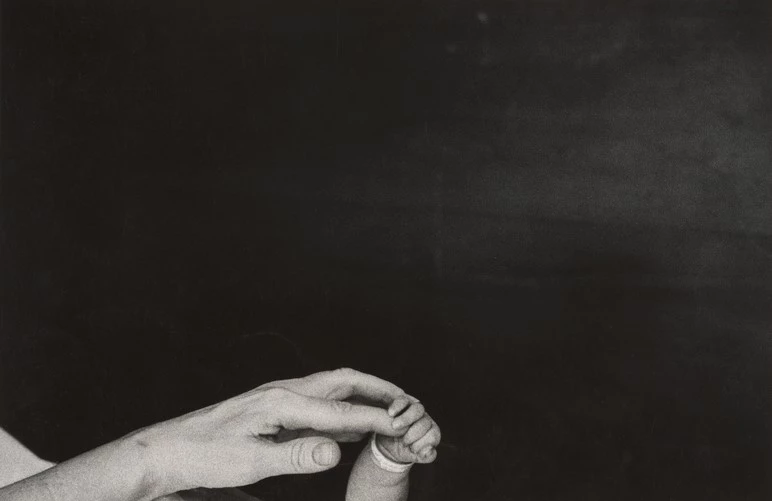
In the same year that he crafted the House, Rodney was visited in hospital by a gifted photographer who took a photograph of him, gently cradling the House in the palm of his hand. Both the House ‘My Mother, My Father, My Sister, My Brother’ and the photograph entitled ‘In My Father’s House’ (1996-7) were new pieces that became part of this last exhibition, ‘Nine Nights in Eldorado’ (1997). ‘Nine Night’ is a Caribbean (Jamaican) ritual that takes place after the death of a family member. It involves nine nights when family and friends come together to honour the life of the deceased prior to the funeral. The ‘Eldorado’ is the title of his father’s favourite film, with the name of the exhibition honouring Rodney’s father’s recent death and the ritual that Rodney was unable to attend due to his ill health. Created during a period of intense hospitalisation, increased impairment and impending death, these pieces – like a great strand of his work but ever more intimate and familial – serve as interconnected metaphors for family intimacy, shared heritage, Caribbean death ritual, and the fragility of life writ large in a public space.
Described as “house as body” by Eddie Chambers, the house can be understood as symbolising “the fragility and the near futility of Rodney having to live within a structure hopelessly unable to sustain itself. And yet, concurrently, the house resonated with defiance, a curious strength, and comforting notions of home. Also, in this sense, as an inherited genetic condition that affects people of African, Caribbean, Eastern Mediterranean, Middle Eastern and Asian ancestry, the house - much like his use of blood - evokes messages of intergenerational embodied experiences of transnational belonging (that which extends beyond national borders and resists singular notions of belonging).
With this, the photography of the house, in hand, carries profound messages about inherited experience. These works not only reflect Rodney's life as a Black man living with sickle cell anaemia but also serve as powerfully intimate commentary on family and belonging, and on dying and death rituals within African Caribbean diasporic communities.

Eight and Nine: A Reflection on an Artist, in summary
… Heritage …is one of the ways in which the nation slowly constructs for itself a sort of collective social memory. Just as individuals and families construct their identities in part by ‘storying’ the various random incidents and contingent turning points of their lives into a single, coherent, narrative, so nations construct identities by selectively binding their chosen high points and memorable achievements into an unfolding ‘national story’. This story is what is called ‘Tradition’. (p.17)9781000856170 (1).pdf
In March 1998, Rodney died from sickle-cell anaemia, aged 36. His artistic career spanned two decades and produced some of the most engaging and innovative work by a British artist of his generation. Museums and the heritage sector more broadly are working to find ways of retelling complex stories about their collections. They aim to address links to slavery, colonisation, and empire as key to a collective reconfiguring of our understanding of British society. Rodney's body of work remains a powerful reminder of art's role in raising brutal truths about race, the body, and (un) belonging, providing space and contemplation for grappling with and responding to these issues with creativity, intentionality and courage.
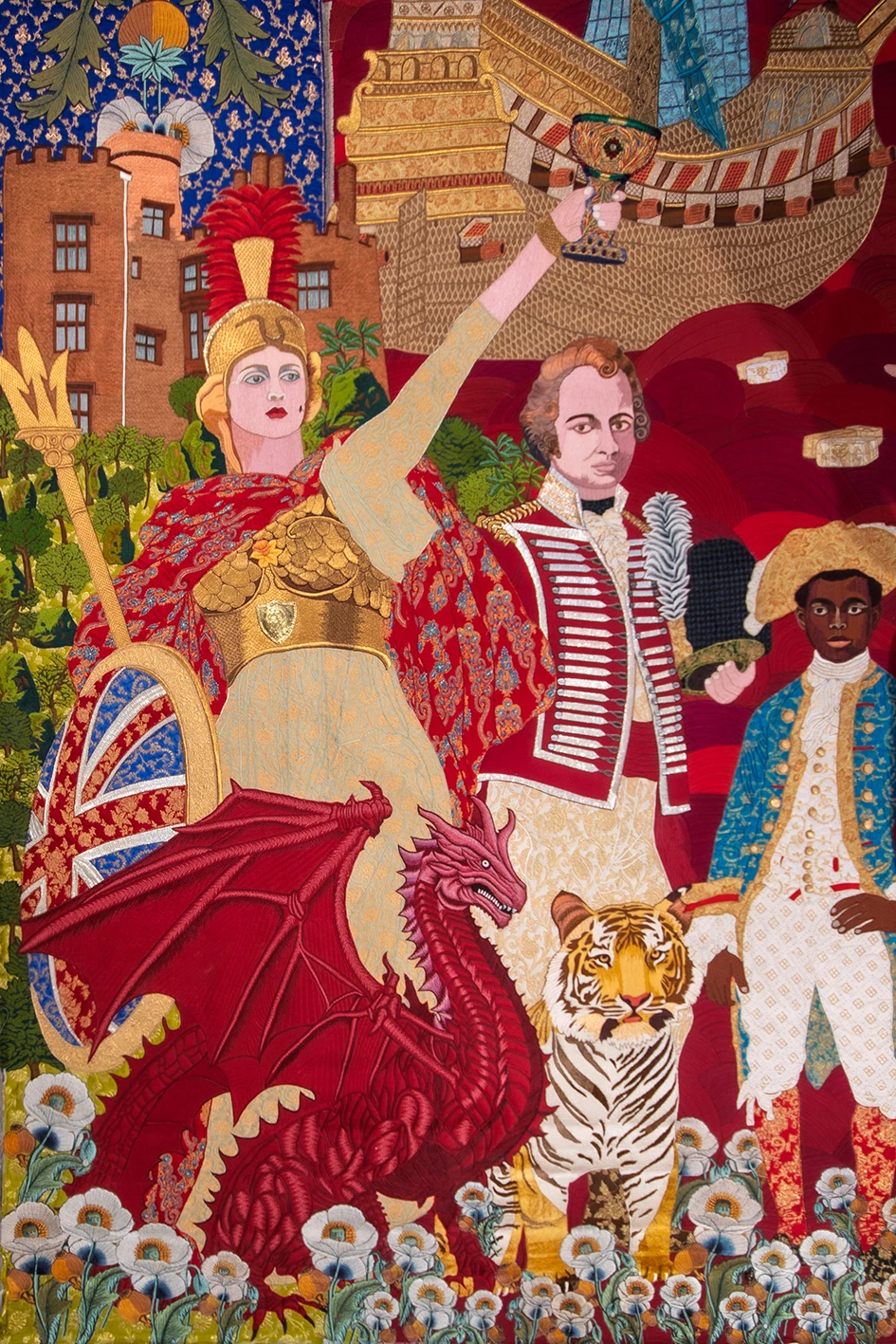
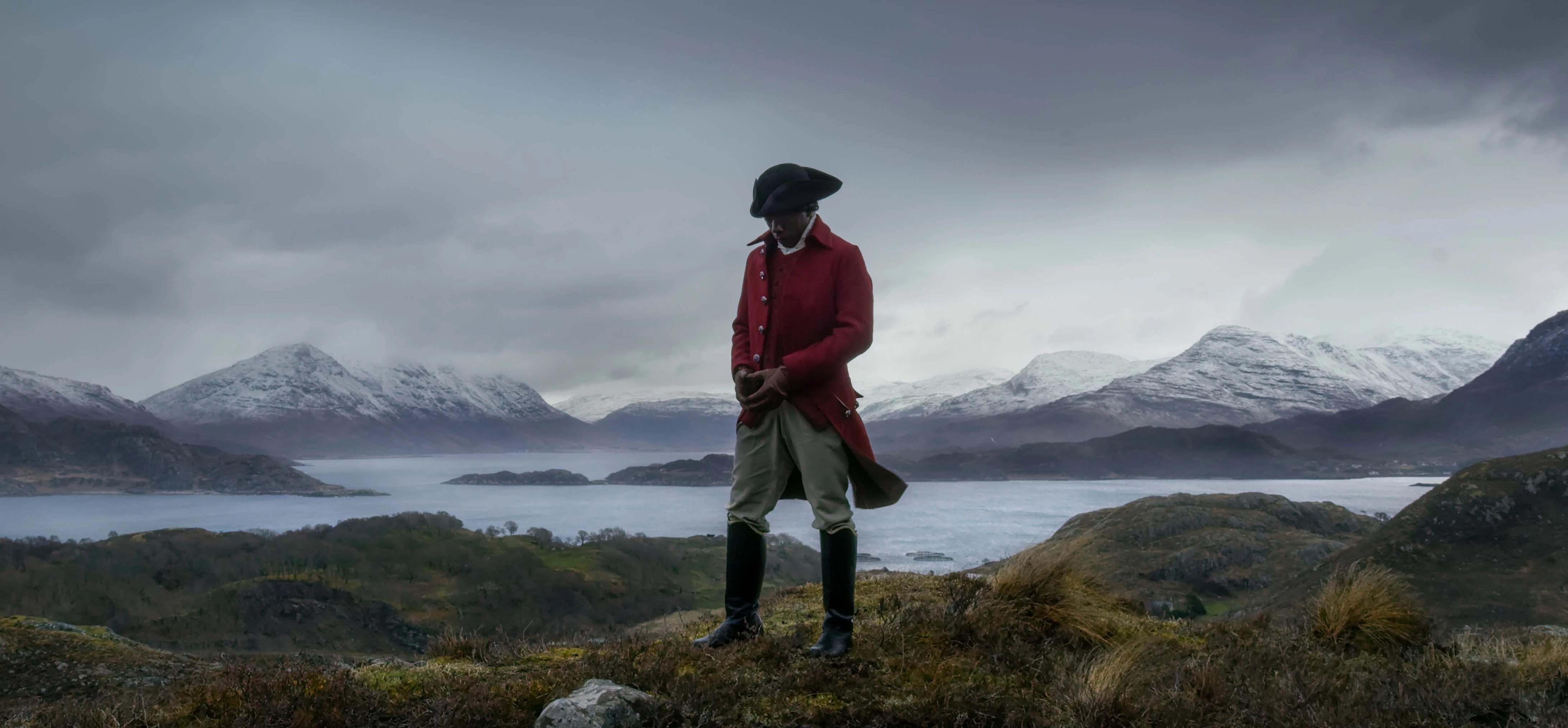
An exhibition entitled ‘Reframing Picton was an exhibition that provided a revisiting and more expansive interpretation of Lieutenant-General Sir Thomas Picton (1758-1815). It looked at his legacy as Governor of Trinidad at the turn of the 19th century, shedding light on his brutality of enslaved people in the island. Donald Rodney’s sculpture ‘My Mother. My Father. My Sister. My Brother’, housed at Amgueddfa Cymru - Museum Wales, was a timely reminder of the ongoing need to pave new ways for the people of Wales to reframe our notions of Welsh heritage and history. At the same time, through his innovative use of various media – from painting and installation to digital technology – Rodney created a body of work that continues to challenge and inspire. His exploration of identity is rooted in personal experience in ways that speak to the ongoing struggles for recognition and equality faced by racialised communities not just in Wales and the UK but worldwide. Moreover, his work has a broad appeal, with his innovative use of materials and techniques, including medical imagery and his own body and embryonic AI technology, making clear that his artistry extends beyond his identification as a Black British artist. His work is as personal as it is universal – just the artwork needed to evoke and shape the retelling of national stories.
PostScript: Think or Do
Points to Ponder
1. Rodney’s works often explore resilience, family, and identity, highlighting the human body's fragility and strength, connections, and selfhood.
· What does this tell us about the role of the arts as a source of inspiration for social change?
· How might your creative expressions contribute to conversations about resilience or identity?
2. Rodney’s use of his own body and medical materials in works was a key feature of his practice.
· How does this challenge traditional ideas of what art can be?
· What materials could you use?
3. Rodney’s work was overtly political.
· How does Rodney’s art reflect the socio-political environment of his time, particularly his experiences as part of the BLK Art Group?
4. Rodney’s work was pioneering, especially in terms of his early use of new technologies.
· What can Rodney’s experimentation with digital technologies, such as Autoicon, teach us about the possibilities of art in the modern era?
Things to do
· Creative Exploration (All Ages):
Design a piece of art using unconventional materials (e.g. recycled items, natural objects) to express an idea or personal story, inspired by Rodney’s innovative use of his own body and medical imagery.
· Symbolism in Art (Primary and Secondary):
Create a “symbolic house” that represents the concept of home and belonging. Younger students can use crafts, while older students can write reflections on how their design connects to themes in Rodney’s house as body work.
· Social and Historical Research (Secondary):
Investigate a key socio-political event, specific social context, or period that shaped Rodney’s life and work (e.g. the civil rights movement, systemic racism in Britain). Present findings through a creative medium such as a poster or a digital slideshow.
· Interactive Storytelling (All Ages):
Host a group discussion where participants imagine how Rodney’s life and art might evolve if he were alive today. You can write or sketch responses exploring how his themes of identity and resilience might look in contemporary settings.